
Why do dogs lick each other's ears? The fascinating world of canine social behavior
Caught your dog licking another dog's ears? You might have wondered what’s really going on. This seemingly simple act holds deeper meaning in the world of dog communication. From bonding and grooming to showing respect and affection, ear-licking is a key social behavior in dogs. In this article, we’ll explore the various reasons why dogs engage in ear-licking, including how it strengthens relationships, provides comfort, and helps maintain their health. Whether it’s a friendly gesture or a sign of submission, ear-licking offers valuable insight into your dog’s emotional world.

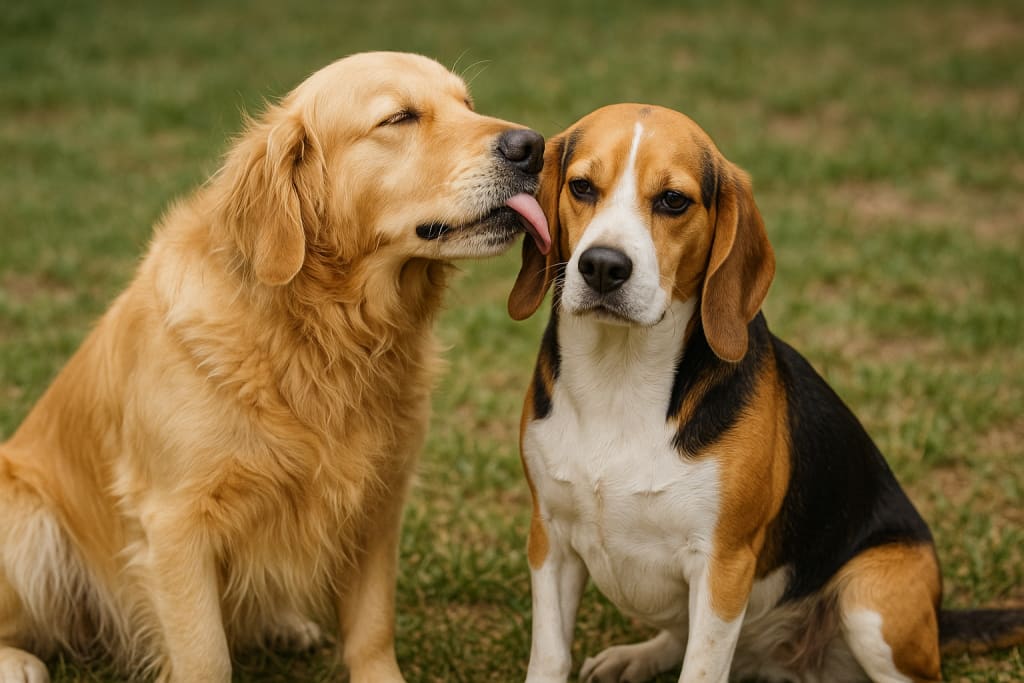
Watching a group of dogs interact, you’ve probably seen one dog licking another’s ears. It’s a behavior that may seem random or even a bit odd, but there’s a lot more to it than meets the eye. From bonding to grooming to showing affection, ear-licking is an essential part of how dogs communicate and maintain their social structure.
But why exactly do dogs engage in this behavior? Is it just a quirky dog thing, or is there a deeper meaning behind it? Let’s break it down and explore the various reasons why dogs lick each other's ears. By the end of this post, you’ll have a much clearer understanding of what’s happening when your dog gets a little too “friendly” with their furry friends’ ears.
The Social Nature of Dogs: Why Dogs Are Lickers, Not Biters
Before we get into the specifics of ear-licking, let’s take a step back and talk about why dogs lick in general. Dogs are highly social animals. Unlike cats, who tend to be more independent, dogs thrive in packs.This means that most of their behaviors are geared toward maintaining relationships within the group. From tail-wagging to barking to licking, dogs have evolved a wide variety of ways to communicate with each other.
Licking is one of the most fundamental ways dogs interact, especially with other dogs. It's their form of non-verbal communication that conveys a range of messages, from affection to submission to respect. When a dog licks another dog’s ear, they are essentially saying, “I’m here, I trust you, and I care about you.”
Now, let’s look specifically at why dogs target the ears in particular.
Ear-Licking as Grooming: A Practical Reason Behind the Behavior
Dogs Have a Natural Instinct to Groom Each Other
One of the most common reasons for ear-licking in dogs is grooming. Dogs, like cats, are natural groomers. In the wild, keeping each other clean is not just about appearances – it’s about survival. Clean ears help prevent infections that could impair hearing, a crucial sense for survival. In domestic settings, dogs retain this behavior, and ear-licking is one way they help each other maintain hygiene.
The Role of Ear-Licking in Dog Health
A dog’s ears can easily accumulate dirt, earwax, and even parasites like ticks or fleas. For a dog, licking the ears of another dog is a form of cleaning. Not only does it help remove debris, but it can also reduce the risk of infections. For instance, a build-up of wax or dirt in the ear canal can lead to painful infections, so one dog may lick another’s ears to ensure they remain free from harmful buildup.
Hard-to-Reach Places: Why Ears Are Targeted
Ears are tricky for dogs to groom on their own. While they can reach most parts of their bodies, their ears are often out of reach, especially when they have long, floppy ones. This is where the licking behavior comes in handy. One dog can help clean another dog's ears, just as a dog might lick their own paws or face to clean them.
The Emotional Side of Ear-Licking: A Bonding Ritual
Dogs Lick Ears to Strengthen Relationships
Beyond grooming, ear-licking is an important social bonding activity among dogs. Just like how we might hug a friend or give a pat on the back to show affection, dogs use ear-licking as a way to communicate closeness. This behavior strengthens the emotional bond between dogs and deepens their trust. When a dog licks another dog’s ears, it’s a clear sign that they are comfortable with each other and trust each other enough to engage in this intimate behavior.
Social Hierarchy and the Role of Ear-Licking in Dog Packs
In the wild, ear-licking also serves an important role in maintaining the social hierarchy of a dog pack. When a dog licks the ears of a more dominant dog, it can be seen as a gesture of respect or submission. This behavior helps reinforce the social order, ensuring that the pack remains cohesive.
Dogs instinctively understand these social cues. If a subordinate dog licks the ears of a more dominant dog, it’s acknowledging the higher rank of the dominant dog. It’s almost like saying, “I recognize your authority, and I respect you.”
Puppies and Their Mothers: A Learning Process
For puppies, ear-licking is a crucial part of their early development. When puppies are born, they are completely dependent on their mothers for warmth, nourishment, and care. A mother dog will lick her puppies’ ears as part of the bonding process. It’s also a way to stimulate their bodily functions, such as urination and defecation. This early experience teaches puppies the importance of grooming and social interaction.
As puppies grow older, they begin to lick the ears of their littermates, further reinforcing the social bonds within their small group. Even after they leave the litter and join new families, they continue to use ear-licking as a way to form connections with other dogs.
Why Ear-Licking Happens During Play: A Gesture of Friendship or Testing Boundaries?
Ear-Licking in Playful Contexts
Have you ever noticed dogs licking each other’s ears while they’re playing? This is an entirely different scenario from grooming. When dogs are playing, ear-licking often serves as a way of signaling that the dog is friendly and not a threat. It’s a subtle way of saying, “I’m just having fun, and I mean no harm.” It’s the dog version of a playful nudge or a wagging tail.
A Sign of Submission During Play
Sometimes, ear-licking during play can also be a sign of submission. If a dog licks the ears of another dog during a playful encounter, it could be acknowledging the other dog’s higher status in the social hierarchy. This is a common behavior when dogs meet new playmates. The dog may be trying to establish the rules of the interaction by saying, “I’m not trying to challenge you; let’s just have fun.”
Too Much Ear-Licking? It Could Be a Dominance Move
However, if one dog is excessively licking another dog’s ears, it might be trying to establish dominance. Constant licking can become a form of pressure, especially if the dog being licked seems uncomfortable. If one dog repeatedly licks another dog’s ears, especially when the other dog is trying to move away, it could indicate a dominance struggle. In these cases, you might want to observe the dogs more closely to see if there are signs of aggression or tension building.
Dogs and Ear-Licking: Understanding the Emotional Impact
How Dogs Comfort Each Other Through Ear-Licking
Dogs are incredibly empathetic creatures, and they are often able to sense when another dog is feeling anxious, stressed, or unwell. If one dog is feeling anxious or scared, another dog might lick their ears as a comforting gesture. It’s a calming behavior that helps reduce stress for both dogs. Think of it like a comforting touch between humans – something soothing that helps one dog feel better.
The Calming Effect of Ear-Licking for Both Dogs
Interestingly, ear-licking can also have a calming effect on the dog doing the licking. Dogs often lick their own ears or paws as a form of self-soothing when they are stressed or anxious. When one dog licks another’s ears, it can be a way to ease both their nerves and strengthen their bond.
Should You Be Concerned About Excessive Ear-Licking in Dogs?
When Is Ear-Licking a Problem?
While ear-licking is generally a healthy and positive behavior, excessive licking can sometimes signal a problem. If a dog starts licking another dog’s ears to the point where it becomes obsessive, it could indicate that the dog is stressed, anxious, or has a compulsive behavior. It’s important to monitor these interactions to make sure that the behavior isn’t causing discomfort for either dog.
Medical Concerns: Ear Infections and Other Health Issues
It’s also possible that excessive ear-licking could be related to an underlying medical condition. If one dog’s ears are infected or uncomfortable, the dog may lick the ears of another dog out of frustration or as a way to alleviate discomfort. If you notice signs of ear infections, such as redness, swelling, or a strong odor, it’s important to get the dog checked by a veterinarian.
Conclusion: The Multifaceted World of Ear-Licking
So, why do dogs lick each other's ears? The answer is multifaceted, just like dogs themselves. Ear-licking serves as a form of grooming, a way to bond emotionally, and even a gesture of respect or submission within the social hierarchy. Whether it’s to clean a hard-to-reach area, to show affection, or to comfort another dog, this behavior is an important part of canine communication.
As a dog owner, understanding why your dog licks another dog’s ears can help you better interpret their social interactions. It’s a fascinating behavior that offers a glimpse into the emotional and social world of dogs. So the next time you see your dog licking another dog’s ears, remember – it’s not just a cute, random act. It’s a sign of trust, love, and communication in the dog world.
Thanks for your reading.
About the Creator
A Dart at Dusk
Seconds ago, the sullen sun set on the two of us… my exuberant furry companion and me. A fresh breeze embraces us, delivering welcome relief from the day’s oppressive heat. His typical stumbling and staggering along — apace with a sloth — has turned into trip-trapping, high-stepping, almost skipping along.
By Angie the Archivist 📚🪶6 days ago in Petlife
Center Stage with Paul Stewart
*** I'm keen to republish the interviews I did for my series with Vocal creators. It's been a few years and I thought it might be nice to revisit these wonderful conversations. I'll be releasing them one at a time for a few weeks/months.
By Heather Hubler4 days ago in Interview




Comments
There are no comments for this story
Be the first to respond and start the conversation.