
Why do dog trainers not like harnesses?
Harnesses are often seen as a safe and comfortable choice for walking dogs, but many dog trainers have a complicated relationship with them. While harnesses aren’t inherently bad, they can unintentionally encourage bad behavior, like excessive pulling and lack of control. The issue isn’t with the harness itself but with how it’s used during training. Trainers prefer tools that allow for better communication and control, especially when teaching leash manners. This article explores why harnesses sometimes fall short, offering insights into how to choose the right equipment to foster proper dog behavior.

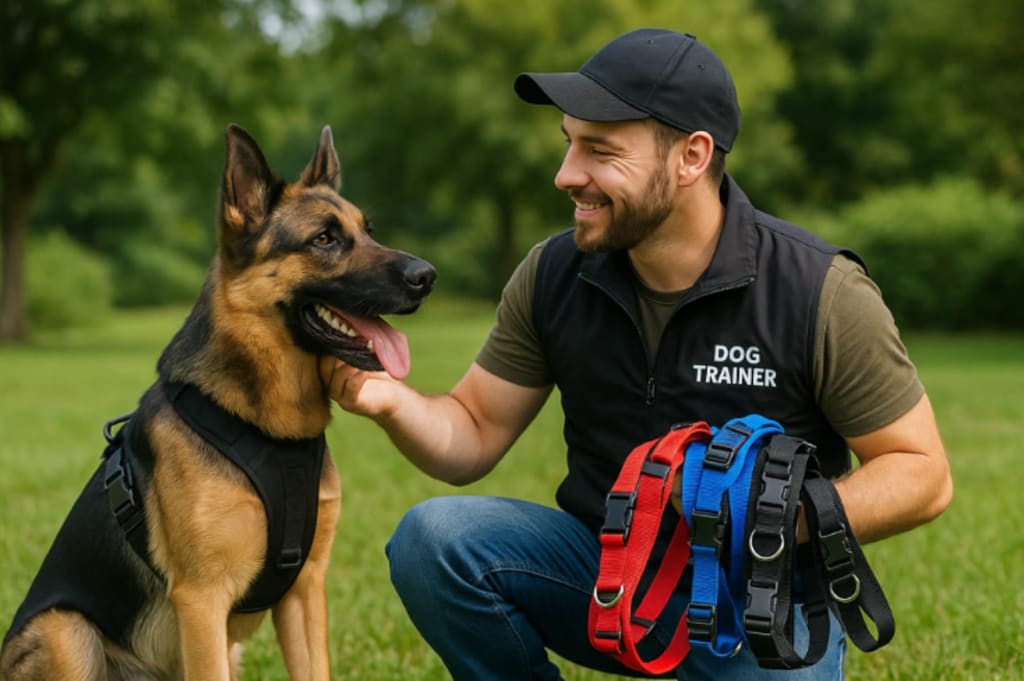
If you've ever had a chat with a professional dog trainer about walking your dog, you might have noticed a certain aversion to dog harnesses. It's almost like they saw a cat at a dog show, just... a little uncomfortable. But don’t get too worked up; we’re not in a vendetta against harnesses. It’s more like having a toolbox and a piece of equipment that’s just not the best fit for the job at hand. So, why the long face when harnesses are mentioned? Let’s unpack this, shall we?
The Short Answer: Harnesses Are Not The Enemy
First, let’s clear something up: dog trainers don't hate harnesses. It’s not a vendetta; it’s more of a concern about how they’re used. There’s a time and place for everything, and harnesses can be an incredible tool. But, just like the difference between wearing rollerblades for a marathon versus just cruising around the park, some tools are better suited for certain jobs than others.
In many cases, especially during training, harnesses can actually make a dog’s pulling habit worse. They provide less control than a collar and can even encourage your dog to pull more since they’re more comfortable in a harness. That’s a pretty big concern when you’re trying to teach your dog good leash manners.
But we get it. Harnesses look all cozy and supportive, and they seem like the safer option, especially if your dog is a puller or has respiratory issues. Still, there's something about them that gives professional trainers a little bit of pause. Let’s dive into why some trainers aren’t exactly thrilled by harnesses.
Free e-book designed to improve your dog’s ability to pay attention to you despite distractions, click HERE
The Problem with Harnesses in Dog Training
1. Reduced Control Over the Dog
Think of it this way: when you have control over your dog’s head, you have control over their body. That’s why trainers often prefer collars or head halters when it comes to training. When you attach a leash to a harness, it’s like trying to steer a ship from the middle. There’s simply more space for the dog to pull, lunge, or wander.
A collar, especially a well-fitting one, gives you that direct feedback that’s needed to reinforce training behaviors. It’s a quicker response. So when your dog decides to chase after that squirrel, a collar provides immediate feedback to help them understand that pulling is not the way to go.
2. Encouraging the Pulling Habit
Here’s where the rubber meets the road—well, the leash meets the collar. A harness can make it much easier for dogs to pull. It spreads out the pressure across their chest and shoulders, making it less uncomfortable for them to lean into the leash. With a traditional collar, when a dog pulls, there’s immediate tension at the neck area, which can discourage pulling simply because it’s uncomfortable.
On a harness, though, that’s not the case. The dog can pull with their full weight, which can reinforce the behavior. Over time, they’ll learn that pulling gets them exactly what they want: forward momentum. For a dog, it's like a reward. They pull, they move—end of story. And guess what? The more they do it, the harder it becomes to break.
3. A Delay in Communication
When you’re working with a dog, timing is everything. If you want to stop your dog from pulling, you need to deliver a clear signal right when the behavior happens. With a harness, however, you’re usually pulling on their shoulders, not their neck. This means there's a delay in the feedback. You flick the wrist or give a gentle tug, and your dog doesn’t feel the correction instantly. Instead, they get a delayed message and that can confuse the dog—especially for puppies or dogs who are still learning leash manners.
A collar gives you a faster, more direct line of communication. The moment you pull on the leash, the dog feels it in the neck, and they understand more quickly what’s expected of them.
4. The Problem with Distractions
Let’s face it—dogs are distractible little creatures. A sudden movement, a bird flying by, or the smell of something tasty on the sidewalk can have them completely distracted in a matter of seconds. With a collar, you can correct their attention and guide them back to focus with a slight tug or gentle correction. The neck control makes a world of difference.
But when a dog is on a harness, that’s less likely to happen. Harnesses don’t provide the same level of immediate control over your dog’s head, meaning they have more freedom to look around, sniff, and wander, further reinforcing the idea that distractions are just part of the fun walk. The more they indulge in distractions, the more it becomes ingrained in their behavior.
5. They Don’t Provide Enough Control in Dangerous Situations
One of the biggest concerns with harnesses is safety. We’ve all seen the dog who decides to bolt toward a passing car or a dog in the distance, and you know what? With a harness, the owner might not have the control to stop it. Sure, harnesses can give your dog comfort, but when you're out in the world, the lack of head control can lead to potentially dangerous situations. You might need to yank your dog back quickly if they dart into traffic, and that’s not something a harness makes easy.
A collar, on the other hand, allows for quicker redirection. You can prevent accidents faster because of the control it provides. It’s about preventing your dog from making poor decisions and learning to walk calmly on a leash.
6. Not the Best for Health Issues
We get it, some dogs are built differently. Dogs with neck or tracheal issues, or those with respiratory problems, might benefit from a harness because it doesn’t place pressure on their neck. But—and this is a big but—harnesses aren’t always the perfect solution, especially when the dog has wheezing or breathing problems. A harness that fits too tightly around the chest can exacerbate these issues, making things worse rather than better.
That’s why it’s crucial to choose the right gear for your dog’s needs. In some cases, a harness might not be the best option, and a collar might actually be more comfortable and safer.
7. Escape Artists
If your dog is the Houdini of the dog world, you’ve probably encountered the frustration of them slipping out of their harness. Yes, it happens. Harnesses can be a bit tricky when it comes to fit, and dogs—especially clever ones—can find a way to escape if the harness isn't on snugly enough.
A collar, with its tighter fit and more secure design, is less likely to let your dog slip out during walks. This is crucial for dogs who are prone to running off, and it can make your walks a lot less stressful.
8. The Comfort Factor
Harnesses can look comfy, and for some dogs, they are. But don’t be fooled. Even if they fit well, harnesses can sometimes cause chafing or discomfort, particularly with certain breeds or thick-furred dogs. The straps rubbing against the fur can cause irritation, itching, or even hair loss. And in hot weather, harnesses can trap heat, making the walk even more uncomfortable for your dog.
Some collars, especially those with padding or a more ergonomic design, can be more comfortable for your dog over longer walks.
The Right Tool for the Job: Collars vs. Harnesses
At the end of the day, it’s about choosing the right tool for the job. If you’re training your dog to walk properly on a leash, a collar might be the better option. It allows for quicker, more effective communication, and it’s easier to control your dog’s movements. But if your dog has specific health issues, or if you're simply looking for a comfort option, a harness might be the right fit.
However, don’t fall into the trap of thinking a harness is a one-size-fits-all solution. It’s not. When used in the right context, a harness can work wonders. But it’s important to balance comfort with control and ensure your training doesn’t get lost in the shuffle.
Free e-book designed to improve your dog’s ability to pay attention to you despite distractions, click HERE
Final Thoughts: Use Your Tools Wisely
Dog training is all about the right tools for the right job. A collar may be the best choice for training your dog on proper leash manners, but a harness can be great for comfort, especially for dogs with health issues. The key is knowing when and how to use each tool effectively.
As a dog trainer, I can tell you one thing: there’s no “one size fits all” solution. Each dog is different, and their training needs will vary. Whether you choose a collar or a harness, just remember: the goal is to teach your dog impulse control, self-regulation, and good behavior. With the right approach and patience, both you and your dog will be better off.
So, the next time you talk to a dog trainer and they raise an eyebrow at the mention of a harness, don’t panic. It’s not that they hate harnesses—they just want to make sure your dog gets the training it truly deserves.
Thanks for your reading.
About the Creator
Velveteen Lop Rabbit Lifespan Size Color Diet and Interesting Facts
As we know when people assume Velveteen Lop Rabbit many time the sweet story of the Velveteen Rabbit comes to mind. The name of this breed is not taking from any rabbit, but the book The Velveteen Rabbit have a very cute, sociable, and friendly nature.
By Rabbits Advisora day ago in Petlife
Helping Your Elderly Cat Who's Going Blind
When Your Cat Loses Its Sight It can be heartbreaking to watch your beloved kitty go blind. When my cat started to go blind, it was really hard to watch her bump into walls, not to mention the constant loud meowing, which made her sound like she was in excruciating pain. She wasn't. However, she was very confused and scared.
By Janis Masyk-Jackson3 days ago in Petlife
Early March 2026: 4 Goals Accomplished
It's early March and I've now accomplished my 4th writing goal for the year of 2026. Before diving into the behind-the-scenes of it... why not tell you up front what that accomplishment was? I was published in a 2nd publication for this year. Published in Helix Literary Magazine out of Central Connecticut State University. You can read it for free right now!
By Stephen Kramer Avitabile7 days ago in Writers



Comments
There are no comments for this story
Be the first to respond and start the conversation.