
Is it bad for a dog to wear a harness all the time?
Let's settle this once and for all—can you leave a dog harness on all the time? Short answer: no. Long answer: still no, but there's nuance. And if you're one of those dog parents who thinks your pup looks super cool in their vest 24/7 like a miniature backpacker on an endless REI trip, I get it. I really do. But for your dog’s comfort, health, and emotional sanity, you’ve got to know when enough is enough. This is your go-to guide—told with honesty, a little emotion, and the experience of someone who has wrangled more breeds than there are types of pasta. From Frenchies and Shibas to Labs and Pyrenean Mastiffs, I’ve seen the good, the bad, and the harness-related ugly.

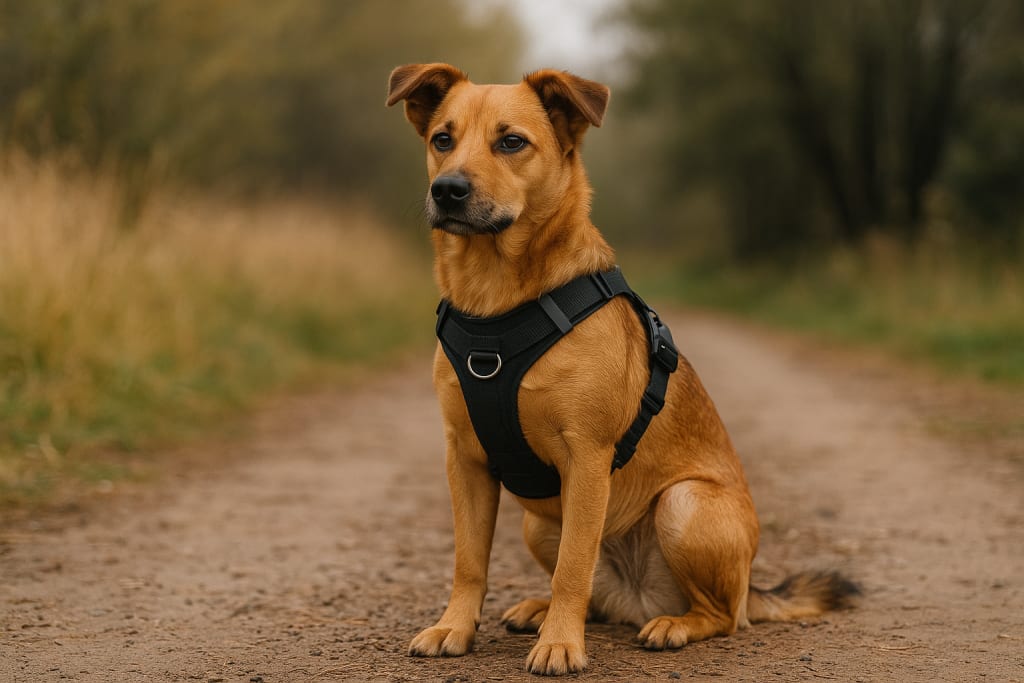
What Exactly Is a Dog Harness (And Why Are We So Obsessed With Them)?
Let’s get real. A dog harness is more than a trendy accessory. It’s a practical tool designed to give you control, reduce injury risk, and communicate with your dog more effectively. Unlike collars, which put pressure on the trachea (especially dangerous for small breeds and flat-faced pups), harnesses distribute that pressure across the chest and back.
Perks of the Harness Life
- Better control: Great for training and dogs that pull like sled champions.
- No pressure on the neck: Ideal for small breeds, older dogs, or those with respiratory issues.
- Safety: Reduces the risk of choking or slipping out like a greased weasel.
- Behavior shaping: Especially helpful for leash reactivity and pulling.
Harnesses are amazing tools... when used properly.
So, Can You Leave a Harness On All the Time?
Straight Talk: No, You Shouldn’t.
I know. It’s convenient. Especially if your dog hates having it put on. Or if you like being ready for a last-minute walk or car ride. But wearing it 24/7 can cause more harm than good.
Here’s why:
The Big Risks:
- Chafing and rubbing – Even the best harness can cause irritation when worn too long.
- Skin infections – Especially if it’s wet or dirty. Moldy harness = vet bill.
- Hair loss and matting – If your pup’s fur is starting to look like a worn carpet, take the hint.
- Restriction of movement – Not exactly spa vibes for your dog.
- Negative associations – If it’s always uncomfortable, your dog might begin to hate it.
- Getting caught – In crates, furniture, other dogs… you name it.
Unless your pup is a working service dog (more on that later), they should NOT wear their harness around the clock.
When Should Your Dog Wear a Harness?
Here’s the Magic List:
- On walks – Obviously.
- Training sessions – Especially leash manners, recall, or heel work.
- Travel (car rides, planes) – Safety first. Always.
- Hiking or camping – For leash laws, wild critters, and safe exploring.
- Public outings – Like cafes or markets.
If your dog isn’t actively doing something, the harness should come off.
Are There Exceptions?
Yes. Sort of. Special cases exist.
Situations Where Longer Harness Use Makes Sense:
- Dogs with mobility issues – You might need to lift or support them.
- Puppies in early training – Constant exposure helps normalize it.
- Senior dogs – Who need help getting up or staying steady.
- Dogs who chew collars – Some just hate them. A harness may be safer.
- Emergency readiness – If you live in wildfire country or hurricane zones.
Still—even in these cases, let the skin breathe. At night or while lounging, go au naturel.
Harness vs. Collar: The Eternal Debate
This isn’t a turf war. Each has its place.
Harness Pros:
- Less pressure on neck
- Better for leash training
- Safer for pullers
- Easy ID tag access
- Lighweight and simple
- Suitable for indoor use
Best bet? Use both. Harness for walks, collar for ID and lazy afternoons on the couch.
The Hidden Dangers of All-Day Harnessing
Let’s break down what actually happens when you leave it on 24/7.
1. Skin Trouble
Moisture and friction breed irritation. Combine that with bacteria, and you’ve got a fungal festival brewing under that harness.
2. Matted Fur
Especially for double-coated dogs like Goldens or Huskies. Ever tried brushing out a mat under a strap? Not fun. For anyone.
3. Restricted Movement
Even well-fitting harnesses are made for activity, not lounging. Sleeping in it is like napping in ski boots.
4. Safety Risk
Harnesses can get caught on crate bars, furniture, even other dogs during play. That’s a trip to the emergency vet you don’t want.
5. Emotional Tuning
Dogs are situational learners. If the harness means “we’re doing stuff,” don’t confuse them by making it their second skin.
How to Choose the Right Harness
Fit: Two-Finger Rule
If you can slide two fingers between your dog’s body and the harness, it’s just right. Too tight? Hello, hot spots. Too loose? Say goodbye to control.
Style: Vest or Strap?
- Strap harnesses – Lightweight, less coverage, good for anxious dogs.
- Vest harnesses – More secure, often more comfortable, better control.
Choose what fits your dog’s needs—not what looks cutest on Instagram.
Material Matters
Go for breathable mesh, padded straps, and quick-dry fabric. Bonus if it’s machine washable.
Best Practices for Harness Use
- Check the fit regularly – Puppies grow fast, and even adults can change weight.
- Clean it weekly – More if your dog rolls in mysterious stuff.
- Dry thoroughly – Wet harness = skin funk.
- Use positive reinforcement – Make harness time feel like walk-prep, not punishment.
- Rotate with a collar – Let your pup’s skin breathe.
What About Puppies?
Harnesses are fantastic for young dogs, especially during training. But be mindful:
- Keep sessions short.
- Reward calm behavior while wearing it.
- Remove it when the pup is resting or playing alone.
Training is all about timing and balance.
A Quick Word on Arctic Sammy’s Adventure Harness
Okay, yes, Arctic Sammy’s gear is stylish and functional. Their adventure harness is lightweight, breathable, and built for dogs who live to roam. It’s got all the features I like as a trainer: multiple adjustment points, durable material, fast-drying mesh, and it folds into nothing when you’re on the move.
But even the best harness in the world isn’t meant to live on your dog 24/7.
So yes, get a good one, but more importantly—use it the right way.
Final Thoughts: The Goldilocks Rule of Harnessing
Harnesses are powerful tools. But like any tool, they’re only effective when used correctly. Too little, and you miss the benefits. Too much, and you create new problems.
Let your dog be a dog. Naked (well, kinda). Free to nap, stretch, and breathe.
Summary
- Harnesses are better than collars for safety and control, but not 24/7 wear.
- Leave them off at home, during rest, and at night.
- Watch for skin irritation, matted fur, and behavioral shifts.
- Choose breathable, well-fitted harnesses and clean them regularly.
- Respect your dog’s comfort and let them associate the harness with good times.
Your dog doesn’t need to wear their “go-bag” all day. Love them. Train them. Let them live like a dog.
Walk with purpose. Train with heart. And always, always check the fit.
Thanks for your reading.
About the Creator
A Dart at Dusk
Seconds ago, the sullen sun set on the two of us… my exuberant furry companion and me. A fresh breeze embraces us, delivering welcome relief from the day’s oppressive heat. His typical stumbling and staggering along — apace with a sloth — has turned into trip-trapping, high-stepping, almost skipping along.
By Angie the Archivist 📚🪶5 days ago in Petlife
Frozen Clash: Wolf vs Bear
The morning light broke gently over the snow-covered wilderness, turning the frost into a blanket of sparkling diamonds. The forest was silent except for the soft whisper of wind moving through the icy branches. Every tree was coated in white, and the frozen ground glistened under the soft sunlight. In this serene landscape, life thrived in quiet ways, even in the harshest winter conditions.
By Bilal Mohammadi7 days ago in Petlife


Comments
There are no comments for this story
Be the first to respond and start the conversation.