
How to train a dog to not pee at night
You wake up to an unwelcome puddle on the floor—again. If your dog is peeing inside at night, it's not just bad luck. There's always a reason, whether it's a weak bladder, anxiety, a training gap, or even a hidden health issue. Before you get frustrated, it's time to uncover the cause and take action. With the right routine, training methods, and a few simple changes, you can stop nighttime accidents for good. Say goodbye to midnight messes and hello to peaceful, dry mornings. Here’s how to help your pup hold it until sunrise.

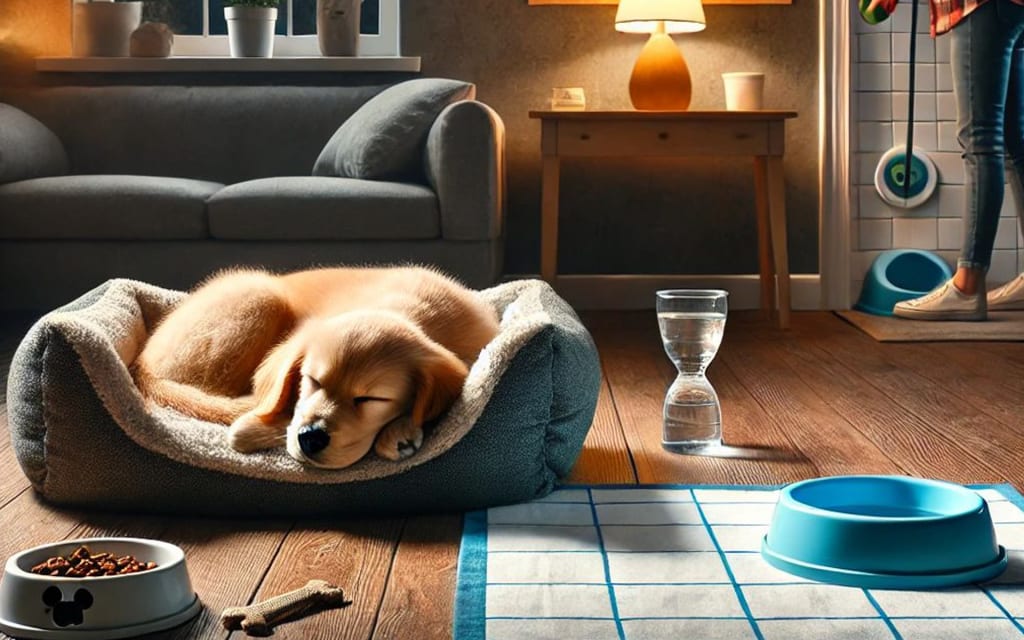
You're drifting off into dreamland, lulled by the imaginary sounds of a peaceful stream. But hold on—there are no rivers in your house! Jolting awake, you realize the "babbling brook" is actually your dog leaving a golden surprise in the middle of the living room. Sound familiar? If you're dealing with a dog that pees inside at night, you're not alone.
House training accidents in the dead of night can be frustrating, but before you scold your pup, it's crucial to understand why this is happening. A dog that is otherwise house-trained but still pees inside overnight is trying to tell you something. Whether it's a training issue, a health concern, or just poor bladder control, we’ll get to the root of the problem and help you (finally) wake up to a dry floor.
Understanding the Causes of Nighttime Peeing
Peeing inside at night can happen for a variety of reasons. Here are some of the most common:
1. Poorly Established Routine
Dogs are creatures of habit. If their potty schedule is unpredictable, they might relieve themselves inside simply because they’re unsure when their next bathroom break is coming. A solid, consistent routine is key.
2. Bladder Size & Control
Puppies and small-breed dogs have smaller bladders, which means they can't hold it in as long as bigger dogs. If your pup is young or a toy breed, they might just need a midnight potty break.
3. Excessive Water Before Bed
Are you topping off your dog's water bowl right before lights out? If so, they might not be able to hold it until morning. Controlling water intake in the evening can help.
4. Marking Behavior
Some dogs aren’t peeing because they have to go; they’re marking territory. If your pup keeps hitting the same spot, they may be reinforcing their claim on the area.
5. Anxiety or Stress
Dogs who feel uneasy at night—whether from separation anxiety, household changes, or unfamiliar noises—may urinate as a stress response.
6. Health Problems
Medical issues like urinary tract infections, diabetes, kidney disease, or even old age-related incontinence can cause dogs to lose bladder control. If the issue starts suddenly, a vet visit is in order.
Solutions: How to Stop Nighttime Accidents
Now that we’ve identified some of the most common reasons behind your dog’s nighttime urination, let’s look at how to fix the issue.
The Rigid Routine Method
Most Recommended
If your dog pees at night due to an inconsistent schedule, establishing a strict potty routine can help.
1. Set an alarm – Two hours before bedtime, start prepping for the night.
2. Take the water bowl away – Give your pup enough time to process what they drank.
3. Give last potty breaks – Take them outside at least twice before bed.
4. Monitor your dog overnight – Keep them in your room so you notice if they wake up.
5. No sleeping in – If they made it through the night, get them outside first thing in the morning.
6. Reward good behavior – Praise and treat your dog when they pee in the right spot.
The Cozy Crate Method
Effective for puppies and dogs needing structure
A crate can help prevent nighttime accidents by encouraging your dog to hold their bladder.
1. Introduce the crate – Place it in a cozy, familiar area.
2. Make it comfortable – Add a blanket and cover the top to create a den-like feel.
3. Ensure proper size – The crate should be snug but not too roomy.
4. Encourage positive associations – Toss in treats and toys to make the crate inviting.
5. Take them out before bed – Ensure they fully relieve themselves before crating.
The Marking Menace Method
For dogs peeing in the same spot
1. Identify all pee spots – Use a UV light if needed.
2. Clean thoroughly – Use an enzyme-based cleaner.
3. Monitor behavior – See if they return to the spot.
4. Steam clean if necessary – Deep cleaning removes lingering odors.
Additional Tips to Prevent Nighttime Peeing
Establish a Walking Routine
Regular bathroom breaks throughout the day—especially before bed—can make all the difference. A final nighttime walk helps your dog empty their bladder before settling in.
Increase Exercise
A tired dog is a well-behaved dog. If your pup has excess energy before bedtime, they may stay awake longer and feel the urge to pee. Evening playtime can help them settle down.
Create a Safe Sleep Space
If anxiety is the cause, make sure your dog’s sleeping area is calm and secure. Consider leaving them with a favorite blanket, a comforting toy, or even a piece of clothing that smells like you.
Visit the Vet
If your dog suddenly starts peeing indoors at night, a medical issue may be at play. Senior dogs especially can suffer from incontinence, requiring veterinary care.
Conclusion
Nighttime accidents can be frustrating, but they’re usually fixable. Whether your dog needs a stricter routine, better training, or a vet check-up, addressing the underlying cause will lead to a drier, stress-free home. Stick to a consistent schedule, provide a comfortable sleep space, and be patient. With time and effort, you and your pup can both enjoy uninterrupted, accident-free sleep.
Thanks for your reading.
About the Creator
A Dart at Dusk
Seconds ago, the sullen sun set on the two of us… my exuberant furry companion and me. A fresh breeze embraces us, delivering welcome relief from the day’s oppressive heat. His typical stumbling and staggering along — apace with a sloth — has turned into trip-trapping, high-stepping, almost skipping along.
By Angie the Archivist 📚🪶4 days ago in Petlife


Comments
There are no comments for this story
Be the first to respond and start the conversation.