
How to stop a male dog from peeing in the house
If your male dog is marking his territory or leaving puddles indoors, you're not alone. Whether it's due to excitement, anxiety, or just poor habits, indoor urination can drive even the most patient dog owners crazy. But here's the good news: with the right routine, positive reinforcement, and a little patience, you can help your dog learn where to go. This guide explores the root causes of the issue and provides practical, easy-to-follow strategies to put an end to those indoor accidents—so you can finally relax in your home with your furry companion.

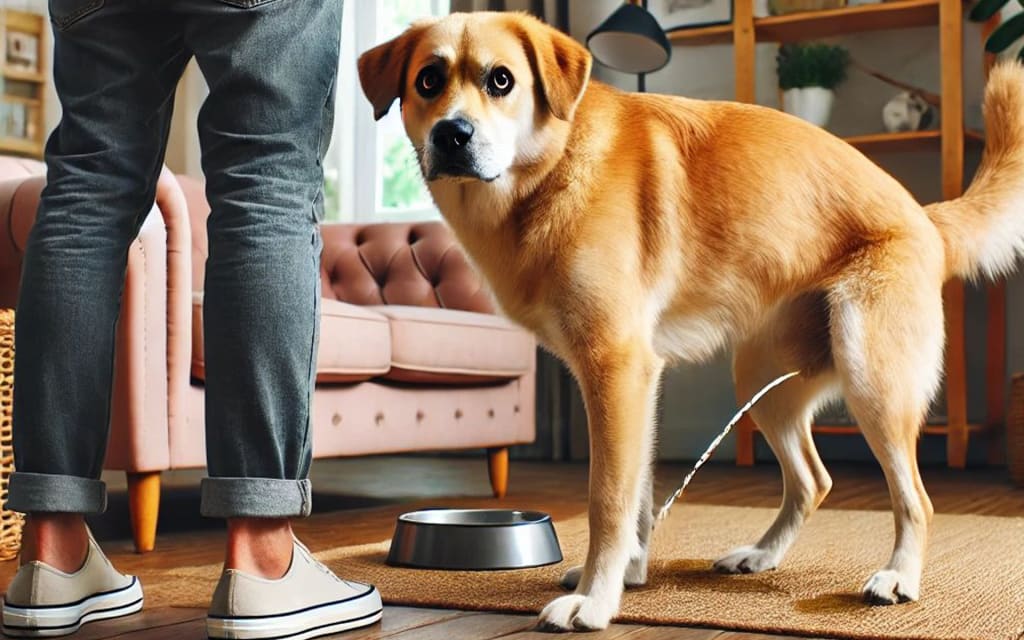
How to Stop a Male Dog from Peeing in the House: A Comprehensive Guide
Let’s face it: having a dog that pees in the house is not the kind of surprise you want after a long day. Whether it's a puppy getting the hang of things or an adult dog who’s hit a rough patch, indoor peeing can be a frustrating challenge for any dog owner. But don’t worry, there’s hope! With patience, understanding, and the right strategies, you can help your dog learn where to relieve himself. And hey, it’s all about turning that accident-prone pup into a house-trained superstar.
Why Is My Male Dog Peeing in the House?
Before we dive into solutions, it’s important to understand why your male dog might be having this issue in the first place. Dogs don’t just pee indoors for no reason—there are usually a few key culprits.
1. Marking Territory
Male dogs, especially those that are unneutered, may urinate indoors to mark their territory. It’s a natural instinct for them to claim space as their own. Unfortunately, this territorial marking can happen in places where it’s definitely not welcome—like your favorite rug.
Solution: If your dog is intact (not neutered) and you’re not planning on breeding, neutering may be a good option. Neutering reduces the testosterone levels that drive territorial behavior, which can lead to fewer accidents in the house. But even if your dog is neutered, it might take some time and additional training to stop the behavior.
2. Excitement and Submissive Urination
Is your dog peeing when he’s super excited, maybe when you walk in the door or greet him after a long day? Well, that’s a classic case of excitement urination. This can also happen when a dog is feeling submissive, often around new people or situations.
Solution: The best way to combat this is to help your dog stay calm during these moments. Try not to overexcite him when you return home—no jumping or loud greetings. Instead, stay low-key and reward calm behavior. Over time, he’ll learn to greet you without peeing everywhere.
3. Anxiety
Some dogs urinate indoors because they’re stressed or anxious. Maybe there was a change in the environment, or your dog just gets nervous when you leave. Anxiety-induced urination can be tricky because the triggers vary from dog to dog.
Solution: Identify the anxiety trigger—whether it’s loud noises, separation anxiety, or something else—and work on desensitizing your dog to those triggers. Create a calm, safe environment for your dog to retreat to when feeling anxious, and provide toys or puzzles to help distract him.
4. Medical Issues
If your dog suddenly starts peeing indoors, it might not be behavioral at all. Conditions like urinary tract infections (UTIs), bladder stones, or even diabetes can lead to increased urination or a loss of control.
Solution: If this is the case, a trip to the vet is in order. A professional can rule out any underlying medical issues and provide treatment if needed. If your dog is healthy, then we can start focusing on training!
How to Train Your Dog to Stop Peeing in the House
Now that we know the possible causes, let’s move on to how we can stop it from happening. Training takes time and consistency, but with a few tricks up your sleeve, you’ll see improvement.
1. Establish a Regular Routine
Consistency is key when it comes to house training. Dogs thrive on routine, and taking your dog outside regularly can help him learn where to go.
Solution: Take your dog out every hour during the day. Sounds like a lot, right? But it works. Take him on a leash, stand still in one spot, and repeat an enthusiastic “Go outside!” When he pees, act like you just won the lottery. Treats, praise, and affection go a long way to reinforce the good behavior.
Progression: After a week, stretch the time out to every 2 hours. The following week, aim for 3 to 4 hours, and soon enough, your dog will be able to hold it for longer stretches. Patience, my friend—this is the key to success!
2. Positive Reinforcement
If you’ve ever been around a dog that can’t wait to show you his skills, you know how much they thrive on praise. Positive reinforcement works wonders in house training.
Solution: When your dog pees outside, reward him immediately with praise, treats, or playtime. This helps your dog associate going outside with positive experiences. Never punish your dog for accidents, as it will only confuse him and lead to fear or anxiety. Stick to the “good boy!” method and watch your dog flourish.
3. Supervise Indoors
If your dog has a habit of peeing indoors, supervision is a must. Don’t just let him roam freely around the house if he’s still learning the ropes.
Solution: Keep a close eye on your dog, watching for signs that he needs to go. Sniffing, circling, and whining are often telltale signs. If you catch him in the act of peeing indoors, don’t scold him. Instead, immediately take him outside and praise him when he finishes. This helps to reinforce the idea that outdoors is the right place to go.
4. Crate Training
Crate training is an excellent tool when it comes to housebreaking. Dogs naturally avoid soiling their sleeping area, so a crate can be an effective way to encourage bladder control.
Solution: Use a crate that’s just the right size—too large, and your dog might use it as a bathroom; too small, and he’ll be uncomfortable. Place him in the crate when you can’t supervise him and always take him outside immediately after letting him out.
5. Clean Up Accidents Properly
Let’s be real: accidents happen. When they do, it’s crucial to clean them properly to avoid re-marking.
Solution: Use an enzymatic cleaner specifically designed for pet messes. This removes the odor completely, which prevents your dog from being attracted to the same spot. Do not use regular cleaners, as they might not fully eliminate the scent.
What If the Behavior Continues?
Even after implementing these strategies, your dog might still be having accidents indoors. Don’t lose hope!
1. Medical Check-Up
If the behavior is sudden and persistent, a visit to the vet is essential to rule out any medical conditions. A vet will check for UTIs, bladder stones, or other issues that could be contributing to the problem.
2. Professional Help
In some cases, it may be time to seek professional help from a trainer or behaviorist. A qualified expert can assess your dog’s specific situation and offer personalized solutions. Just make sure to avoid trainers who rely on outdated or harsh techniques like “alpha” methods.
Final Thoughts: Patience and Consistency Are Key
Training a male dog to stop peeing in the house requires dedication, consistency, and a whole lot of patience. Whether you’re dealing with a young puppy or an adult dog who’s struggling with a new behavior, remember that success doesn’t happen overnight.
Celebrate the small wins, stay calm during setbacks, and remember that every dog learns at his own pace. With the right training methods, you and your dog will build a stronger bond, and you’ll be saying goodbye to indoor accidents for good.
So, let’s raise a treat to housebreaking success—one paw at a time!
Thanks for your reading.
About the Creator
The Gourmet Grumble: Navigating Life with Dog Breeds That Are Picky Eaters
We’ve all seen the commercials: a happy Golden Retriever hears a kibble bag crinkle from three rooms away, skids across the hardwood floor, and inhales a bowl of dry food in approximately four seconds. It’s the universal image of canine appetite.
By MINNIE PEARL’S LIVER LEAVIN’S2 days ago in Petlife



Comments
There are no comments for this story
Be the first to respond and start the conversation.