
How to stop a dog from licking paws at night
If your dog’s nighttime paw licking is keeping you up, there’s more to it than just an annoying habit. From allergies and dry skin to anxiety or even infections, excessive licking is a sign that something’s wrong. The good news? You can help your pup find relief with simple fixes like moisturizing their paws, reducing allergens, and keeping them mentally engaged. If the problem persists, a vet visit might be necessary. Let’s break down the reasons behind this behavior and the best ways to stop it—so both you and your furry friend can finally get some rest!

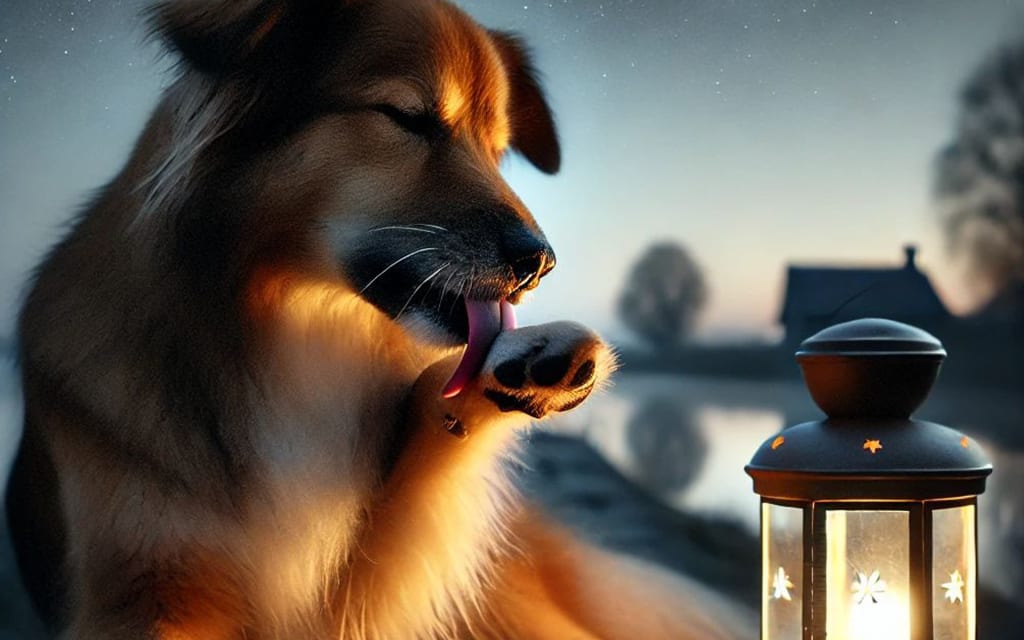
Is your dog licking its paws obsessively at night? It might seem like an innocent habit, but when it becomes excessive, it's a sign that something's up. And let's be honest, the sound of constant licking while you're trying to sleep is enough to drive anyone nuts. But before you scold your furry friend, let’s dig into why this happens and how you can stop it.
Why Do Dogs Lick Their Paws at Night?
Dogs are known for their quirky behaviors, but paw licking can be more than just a cute little habit. Here are some common reasons why your pup might be going to town on their paws after the sun goes down.
1. Allergies – The Sneaky Culprit
Dogs can develop allergies just like us. Food, pollen, mold, dust, or even that fancy carpet cleaner you just bought—any of these could be causing itchy paws. If your dog licks more at night, it might be reacting to something encountered during the day.
2. Dry or Irritated Skin
Dry skin isn’t just a human problem. If your pup's paws are cracked, irritated, or reacting to harsh chemicals like de-icing salts in winter, they’ll try to soothe themselves with licking.
3. Anxiety or Boredom – Midnight Overthinking
Ever find yourself overanalyzing life choices at 2 AM? Dogs do something similar—except instead of contemplating their existence, they lick their paws. Anxiety, separation issues, or sheer boredom can trigger this behavior.
4. Infections or Parasites
Bacteria, fungi, fleas, or mites—oh my! If your dog’s paws are red, smelly, or inflamed, licking could be their way of saying, “Help me!” Infections need immediate vet attention.
5. Injuries or Foreign Objects
A small cut, splinter, or even a sneaky piece of gravel stuck in their paw can cause licking. Dogs are all about DIY first aid, but sometimes they need human intervention.
6. Habitual Behavior
If your dog has been licking their paws for a while, it may have turned into a habit. Even after the original problem is gone, they might still do it out of routine.
Knowing the cause is half the battle. Now let’s talk solutions!
1. Check for Allergies
- If food allergies are the issue, your vet may recommend an elimination diet.
- Wipe your dog’s paws after walks to remove allergens.
- Antihistamines or prescribed treatments can help ease discomfort.
2. Keep Paws Moisturized
Dry, cracked paws? Try a pet-safe paw balm (not your fancy lotion—it might be toxic!). Keeping their paws hydrated can prevent excessive licking.
3. Boost Exercise & Mental Stimulation
If boredom is the problem, your dog needs a job! Increase playtime, introduce puzzle toys, and schedule more walks. A tired dog is a happy, non-licking dog.
4. Regular Paw Inspections
Check for wounds, redness, swelling, or foreign objects stuck in the paws. If something looks off, clean the area or visit your vet.
5. Use a Protective Barrier
Sometimes, your dog just won’t stop. In such cases, a cone (yes, the "cone of shame") or booties can help prevent licking while their paws heal.
6. Consult a Veterinarian
If nothing works, it’s time to call the experts. A vet can pinpoint the root cause and offer proper treatment. For a quick, affordable option, Dial A Vet offers consultations for just $25.
Preventing Future Paw Licking Episodes
Stopping the behavior is great, but preventing it in the first place? Even better. Here’s how:
- Groom Regularly – Trim nails and clean paws to prevent irritation.
- Use Paw Protection – Booties in extreme weather can help.
- Manage Allergies – Stick to a vet-approved allergy plan.
- Keep Them Engaged – Mental and physical activity reduces anxiety.
- Routine Vet Visits – Catch issues before they become serious.
When to See a Vet
If your dog’s paw licking is:
- Excessive or disruptive
- Causing redness, swelling, or a foul odor
- Accompanied by limping or pain
…it’s time for a vet visit. Don’t wait too long—early intervention can prevent bigger health issues.
FAQs
2. Is it bad if my dog licks their paws a lot?
Yes, if it’s excessive. It could mean an underlying issue like allergies, infection, or stress.
3. How can I stop my dog from licking their paws?
Identify the cause, treat any allergies, ensure their paws stay clean and moisturized, and keep them mentally stimulated.
4. Should I take my dog to the vet for paw licking?
If it’s persistent and causing visible irritation, a vet visit is a good idea.
5. Can anxiety cause a dog to lick their paws?
Absolutely! Just like humans bite their nails or pace when stressed, dogs may lick their paws to self-soothe.
Conclusion: Take Action Today
Excessive paw licking at night is a signal—not just an annoying habit. Whether it’s allergies, boredom, dry skin, or something more serious, finding and addressing the cause is key. Try simple fixes like improving their diet, keeping their paws clean, and providing more mental stimulation. If the problem persists, a vet consultation is the next best step.
And hey, if your dog is keeping you up at night with non-stop licking, just remember: they’re not doing it to annoy you (even if it feels that way at 2 AM). They need help, and now you know exactly what to do!
Thanks for your reading.
About the Creator
Off the Leash: The Essential Gear Guide for Adventurous Dogs
There’s something wildly freeing about unclipping the leash and letting your dog move the way they were built to. If you’re hiking in areas that truly allow off-lead exploration, your gear list shifts. No harness. No leash dragging through dust. Instead, it’s about smart, lightweight essentials that keep your dog safe, hydrated, and easy to manage when adventure gets messy. Long walks off lead are less about control and more about preparation.
By Shabbir Ahmad4 days ago in Petlife


Comments
There are no comments for this story
Be the first to respond and start the conversation.