
How to stop a dog from biting while grooming
We all love our furry friends, but let’s be real: not every dog is a fan of grooming. For some dogs, grooming is a full-on battle. Whether it’s a growl, a snap, or a full-on bite, aggressive dog behavior during grooming sessions can leave owners feeling frustrated, anxious, and sometimes even a little scared. But don’t throw in the towel just yet. With patience, training, and the right approach, you can transform your dog’s grooming experiences from a nightmare into a more peaceful, enjoyable ritual—for both you and your pooch.


Why is My Dog Aggressive During Grooming?
First off, let’s break down what we’re dealing with here. When a dog shows aggression during grooming, it’s often a sign of fear, anxiety, or discomfort. Dogs are territorial animals by nature. If they haven’t been socialized well, or if they’ve had bad grooming experiences in the past, they might react aggressively to being touched in sensitive areas. Add unfamiliar grooming tools like brushes or scissors into the mix, and it’s no surprise that your dog could turn into a growling, nipping mess.
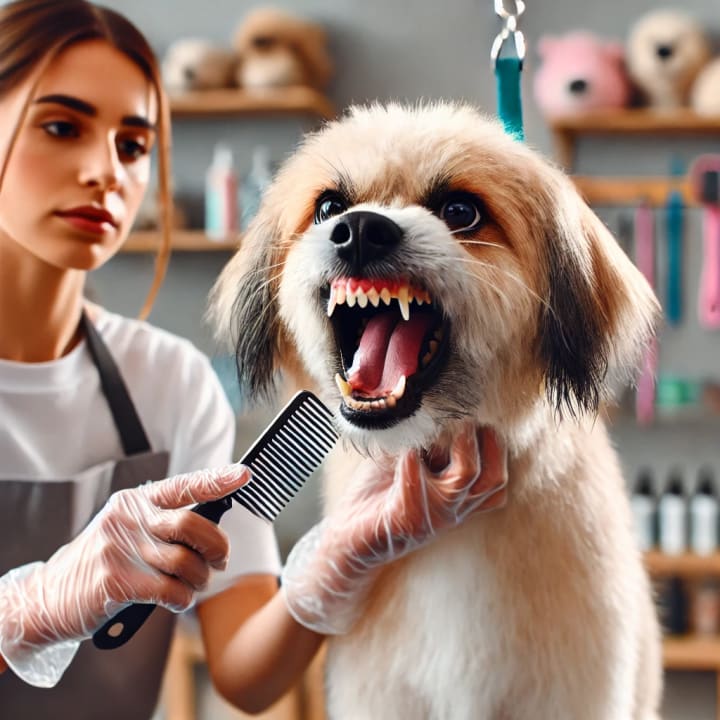
But here’s the thing: aggression doesn’t mean your dog is bad. It simply means they’re not comfortable, and it’s your job to help them feel safe and secure. Think of it like this: a dog that’s aggressive towards grooming is basically saying, “I don’t know what this is, and it’s stressing me out!”
The Aggression Spectrum
Aggression can manifest in many different ways during grooming. Some signs are subtle, while others can be pretty intense:
- Growling or barking: Your dog might growl or bark as a warning to back off. It’s like them saying, “Hey, this isn’t fun for me!”

- Ignoring commands: If your dog suddenly “forgets” how to follow simple commands like "sit" or "stay," they might be too stressed to focus.
- Snarling and baring teeth: This is an obvious sign that your dog is feeling defensive.
- Biting: A quick nip or a more intense bite might be a way for your dog to exert control over the situation. They may also bite out of frustration or fear.
Some dogs may only display one of these signs, while others might show a combination. If you’re noticing any of these behaviors, it’s time to take a step back and rethink your approach.
Understanding the Root Causes
When dogs act aggressively, there’s usually something deeper going on. Let’s look at some of the main reasons dogs act out during grooming sessions:
- Fear and anxiety: The grooming process can feel strange and threatening to dogs, especially if they haven’t been properly desensitized to it. Some dogs may associate grooming with discomfort or bad past experiences.

- Territorial behavior: Just like some dogs are possessive of their food or toys, they might feel protective over their personal space during grooming.
- Lack of socialization: If a dog hasn’t been exposed to grooming tools or procedures early on, they may be nervous or aggressive when introduced to them later.
- Pain or discomfort: If your dog’s coat is tangled, their skin is sensitive, or they have a medical condition, grooming could be painful, and they might lash out in response.
How to Successfully Groom an Aggressive Dog
So, how do you help a dog who hates grooming? It’s going to take patience, consistency, and a bit of strategy. Here are some tips to help ease the tension and make grooming time more tolerable:
1. Start Training Early—The Sooner, the Better

The younger your dog is when you start training them to accept grooming, the easier it will be. Puppies are naturally curious and more open to new experiences, so this is the perfect time to introduce them to brushes, nail clippers, and baths. Even if you’re dealing with an older dog with a history of bad grooming experiences, don’t lose hope! It’ll just take more time and dedication.
2. Positive Reinforcement is Key

One of the most effective tools in dog training is positive reinforcement. This is when you reward your dog for good behavior, which encourages them to repeat that behavior. When grooming your dog, use treats, praise, or their favorite toys as rewards. The goal is to make grooming something your dog associates with positive experiences. For instance, give your dog a treat before you even start grooming and another one during or after. This helps them feel rewarded for tolerating the process.
3. Introduce Grooming Equipment Slowly

Don’t rush the process. Start by allowing your dog to explore grooming equipment at their own pace. Let them sniff the brush, the clippers, and other tools. Give them a chance to get familiar with the sights and smells of these items before actually using them on their body. Once they’re comfortable with the tools, begin with gentle, non-invasive touches. Gradually build up to brushing or clipping as they become more comfortable.
4. Break the Sessions into Small Steps

When you have a dog that’s aggressive or fearful during grooming, don’t expect to finish everything in one go. Break the grooming process into small, manageable steps. You can start with brushing their head or neck one day, and then move to their legs or body the next. This will prevent overwhelming your dog and make each session feel more manageable.
5. Use Distractions to Keep Them Calm

Sometimes, giving your dog something to focus on can work wonders. This could be a favorite toy, a chew bone, or even a bully stick to gnaw on. I’ve personally found that giving my dog something to hold or chew during grooming can keep her distracted and less focused on the brush. It’s not a perfect solution, but it’s one that works in a pinch—especially for younger pups who have trouble sitting still.
6. Create a Calm, Quiet Environment

Dogs are very sensitive to their environment. If there’s a lot of noise or chaos around them, it can heighten their anxiety. Make sure the grooming area is calm and peaceful. You can even play some soft music in the background to help relax your dog. A quiet, consistent environment helps reinforce the idea that grooming is not something to be scared of.
7. Know When to Take a Break
Don’t push your dog past their breaking point. If they start showing signs of distress—whether it’s biting, whining, or trying to escape—take a break. Giving your dog a breather helps them calm down and avoids reinforcing negative behavior. It also gives you a chance to re-evaluate and adjust your approach.
8. Consider Professional Help

Sometimes, despite all your best efforts, your dog might still struggle with grooming. If that’s the case, consider seeking help from a professional groomer or trainer. Many groomers are experienced in dealing with dogs that have behavioral issues, and they can guide you on how to proceed. If your dog’s aggression is severe, sedation might be an option, but it’s always best to consult with a veterinarian before going this route.
My Personal Experience with Aggressive Grooming
Let me share a quick story. My own dog used to be a nightmare to groom. She would bark, growl, and even snap at me whenever I tried to brush her. I tried everything—treats, gentle petting, positive reinforcement—but nothing worked. Then, I had an epiphany. I realized that I was rushing the process. The grooming sessions were too long, and I wasn’t giving her enough time to acclimate to each step.

Now, I’ve learned to take it slow. We start with a few minutes of calm petting, followed by a little treat. Over time, I’ve been able to brush her gently for longer periods without her getting upset. The key is to go at her pace, not mine.
The Bottom Line - Patience and Consistency Are Everything
Training a dog to tolerate grooming can be a long, sometimes frustrating process. But with patience, positive reinforcement, and a calm approach, you’ll get there. Every dog is different, and the most important thing is to respect your dog’s boundaries and take it one step at a time. Your dog’s trust is worth more than any perfectly groomed coat. After all, the bond you share is the most important thing—whether your dog has a shiny coat or not.
So, take a deep breath, get your grooming tools ready, and remember: you’ve got this. And if you’re still having trouble, reach out to a professional. Sometimes, it takes a village.
Good luck, and may your grooming sessions be calm and stress-free (or at least less stressful)!
Thanks for your reading.
About the Creator
Worth the Wait: Puerto Viejo, Costa Rica
Beach bumming in a small Caribbean beach town sounded like a perfect way to end our 6-month trip through Mexico and Central America. Or so we thought. The foul, fishy stench of rotten seaweed hit our nostrils as we stepped from the cramped bus and looked out at a rather depressing, empty, and underwhelming black sand beach. It was pouring with rain, and we had to quickly fish out our ponchos. We thought, this couldn’t be it, could it?
By Sh*t Happens - Lost Girl Travel6 days ago in Wander




Comments
There are no comments for this story
Be the first to respond and start the conversation.