
How to Train a Dog Not to Pull on the Leash
If you’re tired of being yanked around on walks, this guide is for you. Learn how to teach your dog that pulling on the leash won’t get them where they want to go. From using the right equipment to understanding leash pressure and the power of positive reinforcement, this step-by-step approach will help you regain control. Whether you're starting with a puppy or an adult dog, you’ll discover effective, humane methods to train your dog and make every walk more enjoyable. Say goodbye to the tug-of-war, and hello to calm, pleasant walks!
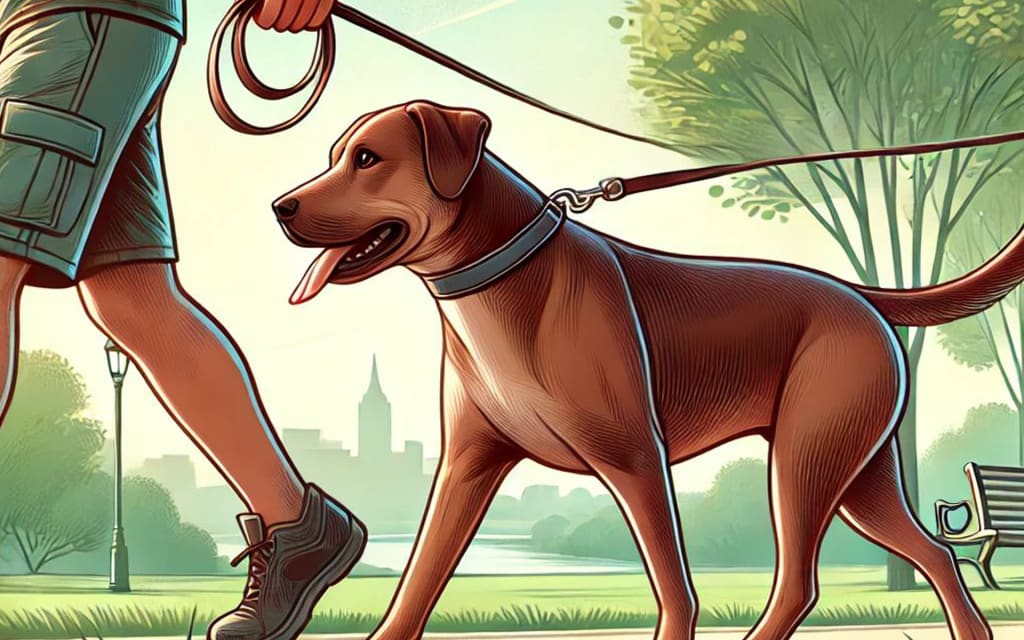
Let’s talk about one of the most common struggles that every dog owner faces: leash pulling. If you’ve ever been dragged around by your pup during walks, you know just how frustrating and exhausting it can be. But fear not! Training your dog not to pull on the leash is totally possible, and with a little patience and consistency, you’ll both be strolling down the street like pros.
So, let’s dive into the process and make those walks peaceful, enjoyable, and (dare I say) fun!
Why does my dog pull on the leash?

First things first, let’s answer a simple question: Why do dogs pull on the leash in the first place? Well, dogs pull because they want to get somewhere, and they know that pulling gets them there faster. Whether it's to explore a new smell, chase a squirrel, or greet another dog, the leash is just another hurdle standing in their way.
If you follow them, they’ve just learned that pulling gets them exactly what they want. And if you don’t hurry up? They’ll pull harder. That’s how they get you to follow their lead - literally.
It’s a cycle, but here’s the thing, you have the power to break it.
The first rule, stop rewarding the pull
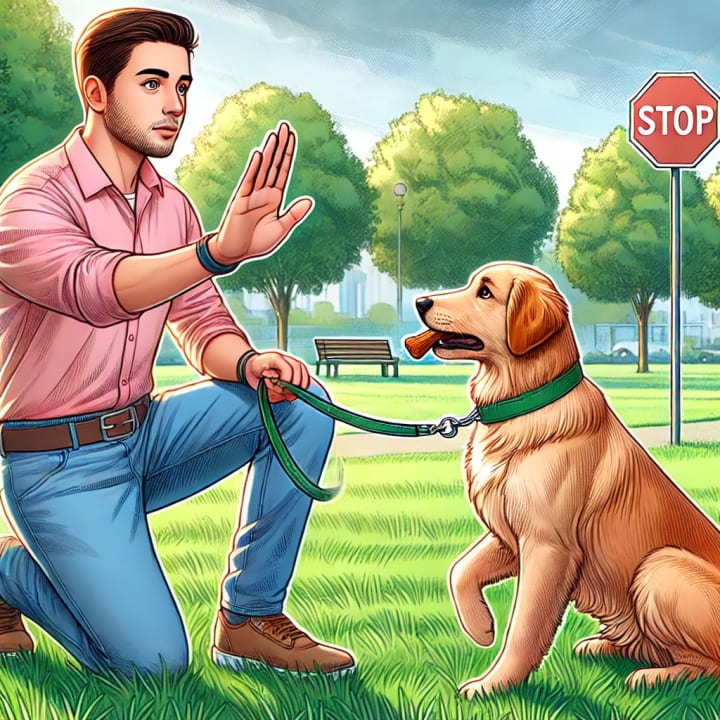
The core principle behind training a dog not to pull is simple: Pulling should never get them what they want. If your dog pulls and you follow, they win. If you stop or turn around, they lose. This is a battle of wills, and you want to make sure your dog knows that pulling doesn't get them what they desire.
For example, if your dog pulls you to the left, turn around and walk the other way. Don’t give in! A quick, firm tug on the leash will redirect their attention and show them that they don’t get to decide where the walk goes. You are the leader, and it’s up to you to make the decisions.
Tools of the trade, collars and harnesses

When it comes to gear, there’s a fine line between comfort and control. If you’re using a harness, keep in mind that it may allow your dog to pull harder because it doesn’t give you much leverage. On the other hand, a collar (like a slip collar, choke chain, or prong collar) can offer more control.
Pro Tip: If you do use a slip collar or prong collar, make sure it sits high on your dog’s neck, above the trachea. It’s crucial that these collars don't slip down where they could harm your dog.
Now, I know what you’re thinking. "I don’t want to hurt my dog!" Rest assured, the goal isn’t to cause pain. It’s simply about making the pulling uncomfortable enough that your dog learns to stop. Just a little discomfort and inconvenience goes a long way.
Consistency is key, set boundaries from the start

Training a dog to walk calmly on a leash isn’t a quick fix. It’s a process, and consistency is the name of the game. Start by teaching impulse control - don’t let your dog rush out the door the second you put on the leash. Before every walk, have them sit at the door until you give them the cue to go. This sets the tone for the walk, letting your dog know that they need to wait and follow your lead.
Once you're out on the walk, every time your dog pulls, simply change direction. Keep walking in the opposite direction until your dog realizes that pulling won’t get them what they want. This works especially well in low-distraction environments, like your home or a quiet neighborhood.
Add distractions slowly

Now, let’s be honest. Walking your dog without distractions is one thing, but what about when they see another dog or a squirrel? That’s when things can get tricky.
When you encounter distractions, don’t let your dog pull toward them. Instead, use the same strategy: stop, turn, and walk in the opposite direction. This helps your dog learn that pulling is not the way to get closer to the distraction.
For socialization, if another dog is around and their owner is okay with it, slowly let your dog meet the other pup. But remember: If your dog starts acting out, like pulling, growling, or being overly excited, it’s time to step away. You are the "fun police" and need to show your dog that good behavior gets rewarded, bad behavior gets them removed from the situation.
Positive reinforcement - Treats, praise, and playtime
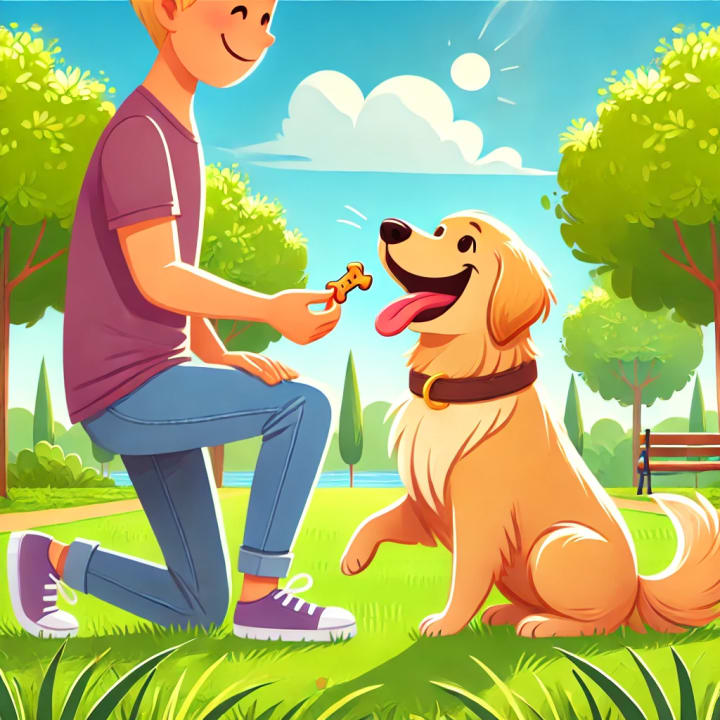
Now, let's talk rewards. Positive reinforcement is your best friend. Treats, praise, and even playtime can go a long way in motivating your dog to stay by your side and walk calmly. When your dog walks next to you without pulling, immediately reward them. A quick treat or a “good boy/girl!” is all it takes to reinforce that the calm behavior gets them the good stuff.
Start with short, focused training sessions. A minute or two of practice, a few times a day, is all it takes to get the ball rolling. As your dog gets better, you can gradually increase the duration and difficulty of the walk. But remember don’t overwhelm your pup. Small steps, repetition, and patience are key.
Dealing with the distractions, how to train around squirrels, cars, and other dogs
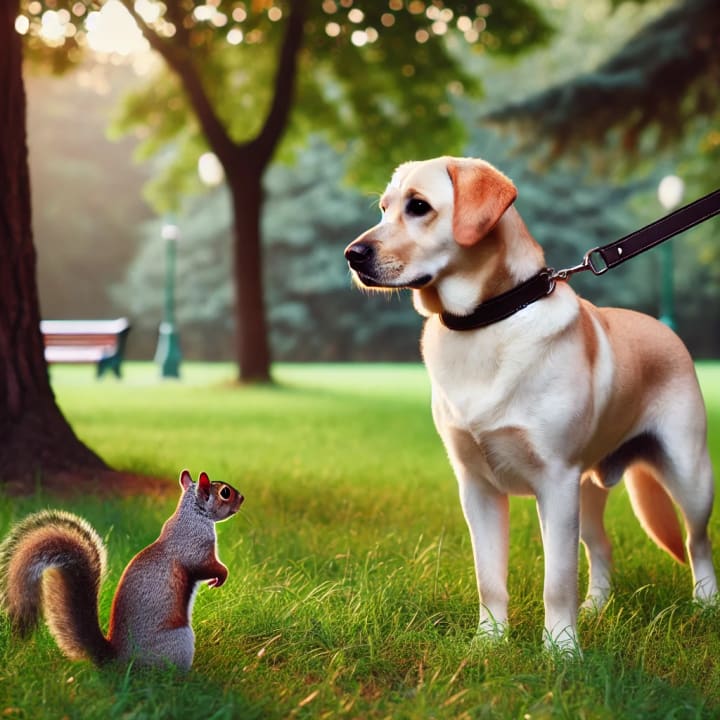
I get it: your dog sees another dog, a squirrel, or even a car passing by, and it’s like their entire world has suddenly shifted. But here's the thing: your dog needs to learn how to handle distractions while still respecting your leadership.
When distractions arise, stop and redirect your dog. Have them sit, wait, or focus on you until the distraction has passed. If another dog is around, let them meet calmly, but only if both dogs are relaxed. If your dog gets too excited or aggressive, remove them from the situation immediately. This teaches them that pulling or acting out leads to the end of social time.
Training tips for the real world
1. Leash Length: Keep your leash short but not tight. A 4-5 foot leash is perfect. You want to give your dog some room to explore, but not enough to let them pull ahead.
2. Guiding Hand: Hold the leash in your non-dominant hand (so if you want your dog on the right side, hold the leash in your left hand). Use your dominant hand to guide your dog’s movements. Hold a treat in this guiding hand and reward your dog when they stay next to you and walk calmly.
3. Start Slow: Start training in a quiet, familiar place like your living room or backyard. As your dog gets better, increase the distractions gradually by moving to busier areas.
4. Random Turns: Keep your dog engaged by making random turns during your walk. This will make your dog pay more attention to you and less to the environment.
The method i use, leash pressure and clicker training

Now, if you really want to take things to the next level, I recommend using a clicker for leash training. Here’s how it works:
1. Start with your dog on a collar and leash.
2. Apply a tiny amount of pressure to the leash. Not enough to pull your dog, but just enough to get them to notice the tension.
3. The moment your dog relieves the pressure (even by just turning their head), click and treat.
4. Repeat this process, slowly increasing the pressure as your dog learns that relieving the pressure is what gets them a treat.
Once your dog understands that leash pressure means they need to move, you can begin guiding them in specific directions and applying pressure in a more controlled manner. This can take time, but once your dog gets it, they’ll be much more responsive to your cues.
Conclusion - Patience, practice, and consistency
Training your dog to walk nicely on a leash is not an overnight task. It takes time, patience, and consistency. But trust me, the payoff is worth it. By following these steps, you’ll build a stronger bond with your dog, and your walks will become a peaceful, enjoyable experience for both of you.
And remember: Small steps are the key. If you’re consistent, your dog will catch on, and you’ll both be strutting down the street like a pro team. No more pulling, no more frustration - just peaceful, enjoyable walks that you can both look forward to.
Happy walking!




Comments
There are no comments for this story
Be the first to respond and start the conversation.