
How to train your dog to stop on a whistle
The stop whistle is a critical command every dog owner should master for their dog's safety and well-being. It allows you to quickly regain control in high-stress situations, preventing dangerous situations like running into traffic or chasing prey. Teaching your dog to respond to a sharp whistle ensures that they can enjoy freedom and adventure while keeping their safety intact. Through clear, step-by-step training with rewards and consistency, you can turn the stop whistle into a positive and reliable tool for both you and your dog. Mastering this command could save your dog's life and make your outdoor experiences more enjoyable.

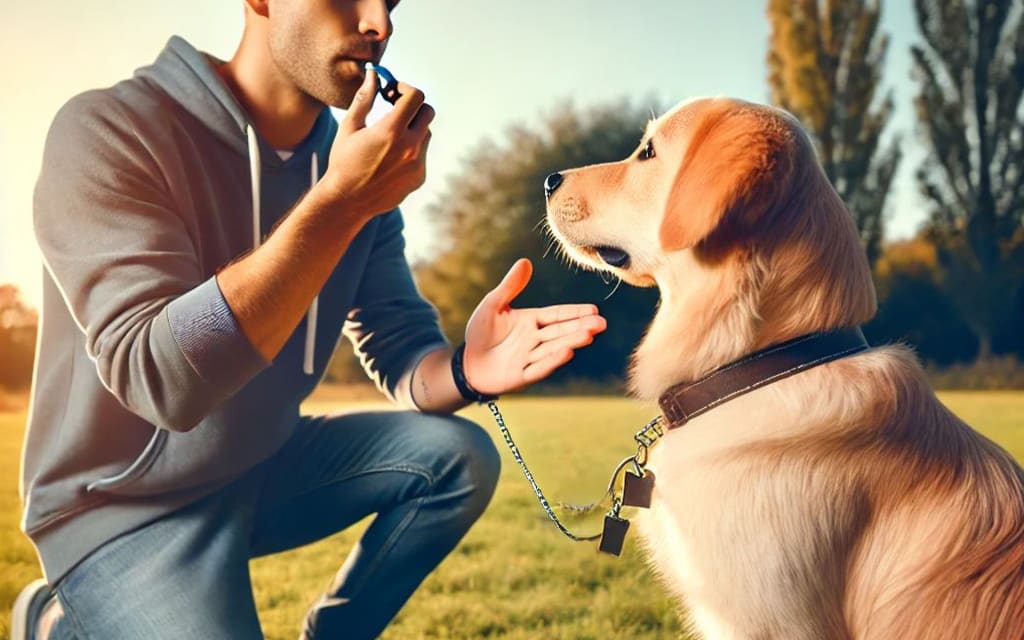
Why the Stop Whistle is Essential
Imagine this: you’re out on a pleasant walk with your dog. The sun is shining, the birds are chirping, and everything is peaceful—until your dog locks eyes on a rabbit and takes off like a rocket. In an instant, he’s barreling towards the road, oblivious to the oncoming traffic. You shout his name, but he’s too focused on his pursuit to care.
This is where the stop whistle comes in. One sharp blow of the whistle, and your dog freezes. Crisis averted. This isn’t just a fancy trick—it’s a command that could save your dog’s life.
The stop whistle is arguably the most important command you’ll ever teach your dog. It allows you to control his actions in crucial moments, prevent dangerous situations, and direct his focus, whether you’re in the field, at the park, or just in your backyard.
But Wait… Won’t My Dog Hate It?
Let’s be honest—most dogs don’t like stopping. Whether they’re hunting, retrieving, or simply chasing after a squirrel, the last thing they want to do is slam the brakes. To them, stopping seems pointless.
Your job? Make the stop whistle fun. Just like a recall, which often ends in a reward, stopping should be something your dog looks forward to, not something he dreads. The key is using rewards wisely—turning the stop itself into a gateway to exciting things like retrieving, hunting, or tasty treats.
The Right Rewards for the Job
Since stopping often happens at a distance, traditional praise and treats aren’t always feasible. Instead, we use the two things dogs love most: the chance to retrieve or the freedom to keep hunting. But if your dog is still learning, food rewards can be a powerful tool to reinforce quick responses.
Before you start, make sure your dog has solid foundational skills:
- A well-proofed sit command
- A reliable heel
- An interest in retrieving (if you plan to use retrieves as a reward)
- Steadiness (he should stay put when something exciting happens)
Now, let’s dive into the training process.
Step-by-Step Training: Teaching the Stop Whistle
Step 1: Introduce the Whistle at Close Range
- Blow the whistle (one short, sharp blast).
- When your dog looks at you, immediately reward (treat or praise).
- Repeat until your dog consistently looks at you upon hearing the whistle.
Step 2: Stop While Walking
- Walk your dog at heel.
- Blow the whistle and immediately give the verbal command “sit.”
- Reward quickly when he sits.
- Gradually phase out the verbal cue so the whistle alone triggers the sit.
Step 3: Adding a Hand Signal
- Once your dog sits reliably, add a hand signal (raised hand or palm facing him).
- Walk at heel, blow the whistle, give the hand signal, and when he sits, step in front of him.
- Praise and reward, then return to heel position.
- This helps the dog associate visual cues with the command.
Step 4: Increasing Distance
- Take a few steps away before giving the whistle sit.
- Reward quickly when he responds correctly.
- Gradually increase the distance between you and the dog.
Step 5: Introducing a Retrieve as a Reward
- Walk with your dog at heel, whistle-sit, and hold up a dummy or ball.
- If he remains seated, drop or toss the ball behind you.
- If he tries to run in, block him and reinforce the sit.
- If he stays put, release him to retrieve.
Step 6: Making It More Tempting
- Throw the ball/dummy behind you instead of dropping it.
- The goal is to teach your dog that sitting still leads to a reward.
- If he moves before you release him, collect the ball yourself.
Step 7: Proofing the Stop Whistle in Motion
- Let your dog run freely.
- Blow the stop whistle and reinforce with a verbal command if needed.
- If he sits immediately, reward by tossing a ball or dummy.
- Gradually increase the delay between the sit and the retrieve to build steadiness.
Important Tip: Never move to the next stage until your dog consistently obeys in different environments. Proof each stage in multiple locations before increasing difficulty.
Alternative Training Methods
Not all dogs learn the same way, so here are two other methods to reinforce the stop whistle.
The Traffic Signal Method
- Walk your dog in a field with a whistle and treats.
- Stand still and raise your hand like a traffic cop while calling his name.
- When he stops, reward with praise and a treat.
- Gradually replace his name with the whistle.
- Once consistent, phase out the hand signal and work on increasing the time before rewarding.
The Start Close Method
- Use a long leash to control his movement.
- Walk, then whistle while stopping him with the leash.
- Reward immediately when he stops.
- Increase the time he remains stopped before rewarding.
- Once reliable, remove the leash and practice at greater distances.
Final Thoughts: Stop Whistle = Freedom
A well-trained stop whistle isn’t just about control—it’s about giving your dog more freedom. When he understands that stopping doesn’t mean the fun is over, but rather that it leads to more exciting things, he’ll respond with enthusiasm.
This command could be the difference between a safe, enjoyable adventure and a tragic accident. Whether you’re training a hunting dog or just a lively pet, mastering the stop whistle will make your life—and your dog’s—much easier and safer.
So, grab your whistle, some treats, and get to work. Your dog’s safety (and your peace of mind) depends on it!
Happy training!
About the Creator
The Ones Left Behind:
Shelters overflow every week with wagging tails and hopeful eyes. The young ones—the puppies and kittens—disappear within hours, scooped up by families eager for a blank slate. The old ones stay behind. They wait days, then weeks, often in silent confusion, still listening for footsteps they recognize.
By Dr. Mozelle Martin3 days ago in Petlife


Comments
There are no comments for this story
Be the first to respond and start the conversation.