
How to stop a dog barking at nothing
Ever wonder why your dog suddenly starts barking at what seems like thin air? While it might seem like your furry friend is losing their mind, there’s actually a logical explanation behind it. Dogs are incredibly in tune with their surroundings and often pick up on things we can’t even begin to detect—whether it's a high-pitched sound, an unfamiliar scent, or something lurking in the shadows. In this article, we’ll explore the possible reasons behind your dog’s mysterious barking and offer tips on how to handle the situation with calm and confidence.


Is your dog barking at thin air? It’s something most pet owners have experienced. One moment, your dog is peacefully sitting by your side, and the next, they're alert, ears perked, and barking like a maniac at "nothing." You look around, puzzled. Is there a ghost in the room? Maybe a squirrel just outside? Or are they just being a drama queen?
Well, as frustrating or perplexing as it may seem, your dog is likely reacting to something that’s invisible to you—sounds, smells, or movements that are beyond our human senses. Dogs are finely attuned to their environment and possess an incredible ability to hear and smell things we can't even imagine. But before you jump to conclusions about mysterious happenings, let's dive into why this happens and how you can address it.
Why Does My Dog Bark at "Nothing"?
Barking is an instinctive form of communication for dogs. Whether it’s a reaction to a sound, a way to express excitement, or simply a request for attention, dogs have their own reasons for vocalizing. When it seems like your dog is barking at nothing, there’s often more happening than meets the eye.
1. They Hear Things You Can’t
Did you know dogs can hear frequencies we can’t? While we humans have a hearing range of about 20 Hz to 20,000 Hz, dogs can hear between 40 Hz and 60,000 Hz. This means your dog might be reacting to a high-pitched sound that’s inaudible to you—like a bat screeching in the distance, or a dog whistle across the street. If your dog suddenly perks up and barks at nothing, they're likely hearing something that's not on your radar.
2. They Smell Things You Can’t
Dogs have an extraordinary sense of smell—estimated to be between 10,000 to 100,000 times more powerful than ours. Imagine walking into a room and sensing a whiff of something. You'd barely notice it, right? But for your dog, it could be a major alert. A dog may bark at something they've caught a whiff of, even if you can't smell a thing. So if they start barking, it could be that something intriguing has caught their nose, whether it's a scent from a distant neighbor’s lunch or something far more cryptic.
3. They See Things You Can’t
Dogs also have superior vision in low-light conditions. That’s why they’re often more active at dawn or dusk. If your dog is barking at what seems like "nothing" in the dark, they might be seeing something just beyond your visual range. It could be a shadow, a flicker of movement, or even the reflection of a bird in a distant window. Their keen vision helps them detect things that, in our human eyes, seem non-existent.
4. It Could Be Canine Cognitive Dysfunction (CCD)
As dogs age, their brains undergo changes, and they can develop Canine Cognitive Dysfunction, which is essentially doggie dementia. Older dogs may bark more frequently, often without an obvious trigger. If your dog is a senior and barking at nothing, it might be a sign of confusion or anxiety due to cognitive decline. It’s worth checking in with your vet if you suspect CCD or other age-related health issues.
5. They're Just Feeling Anxious
Anxiety can be a huge driver of excessive barking. If your dog feels anxious—whether from separation, unfamiliar sounds, or environmental changes—they might bark to express discomfort. Dogs, especially those with heightened senses, can pick up on things that trigger their anxiety. If you notice your dog barking at nothing while appearing anxious, try to identify potential stressors in their environment.
How to Stop Your Dog from Barking at Nothing
Now that you know some of the potential causes behind the barking, what can you do about it? While it’s normal for dogs to bark, excessive or disruptive barking can become a problem. Here’s how you can help manage the behavior.
1. Acknowledge and Assess the Situation
First, don't panic when your dog starts barking at thin air. Take a deep breath, stay calm, and observe. Are there any environmental triggers—like the sound of an airplane flying overhead or a shadow moving in the yard? Sometimes, simply acknowledging that your dog is trying to tell you something can be enough to ease their anxiety. If you think they’re reacting to something you can’t perceive, calmly say “thank you” or another cue phrase to acknowledge their alertness. This lets them know you’ve got it under control.
2. Redirect Their Attention
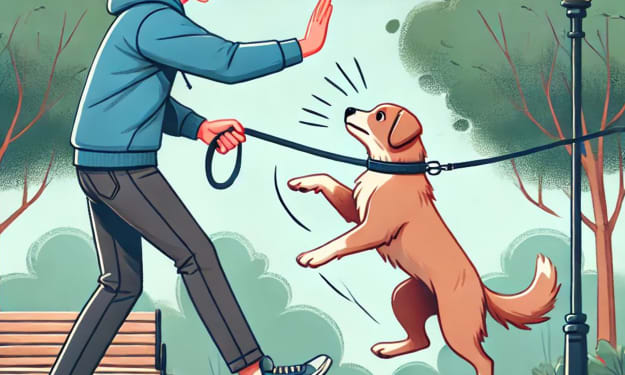
Once you’ve identified the cause of the barking, redirect your dog’s focus. Teaching them basic commands like “sit,” “quiet,” or “enough” can be extremely helpful. When your dog starts barking, calmly issue the command, and when they stop, reward them with a treat or praise. This not only rewards quiet behavior but also teaches your dog that there are better ways to communicate than incessant barking.
3. Provide Physical and Mental Stimulation
One common reason for barking at nothing is simply boredom. Dogs need regular physical exercise and mental stimulation to stay happy and healthy. If your dog has excess energy or isn’t mentally engaged, they may turn to barking as a way to entertain themselves. Try incorporating daily walks, play sessions, and mentally stimulating activities like puzzle toys or scent games to keep your dog busy. A tired dog is less likely to bark for no reason.
4. Create a Calm Environment
If your dog’s barking is driven by anxiety or fear, it’s essential to create a calming environment. Consider using a crate, cozy bed, or a quiet space where they feel secure. Limiting exposure to loud noises or chaotic environments can also help reduce anxiety-driven barking. If your dog barks at night, you might try using a white noise machine or playing calming classical music to mask external sounds.
5. Don’t Punish or Yell
It’s easy to get frustrated when your dog barks at seemingly nothing, but yelling or punishing them will only escalate the situation. Instead of scolding, focus on positive reinforcement. If your dog is barking out of fear or anxiety, shouting at them can reinforce their worries and make them more stressed. Stay calm and patient, and remember that barking is a form of communication, not misbehavior.
6. Consult a Professional Trainer
If you’ve tried everything and your dog’s barking still seems out of control, it might be time to consult a professional dog trainer. Some barking issues, especially those stemming from deep-seated anxiety or behavioral problems, can be difficult to resolve without expert guidance. A professional trainer can help identify the root cause of the barking and develop a targeted plan to address it.
Conclusion: Understanding and Managing Your Dog’s Barking
It’s easy to assume that your dog is barking at nothing, but in reality, they’re probably reacting to something you can’t detect. Whether it's hearing a high-pitched sound, catching a scent you missed, or seeing something in the dark, your dog’s sharp senses often pick up on things that are beyond our perception.
Instead of getting frustrated, take the time to understand why your dog is barking. By providing mental and physical stimulation, creating a calm environment, and using positive reinforcement, you can help your dog manage their barking and improve your relationship.
If you suspect health problems like Canine Cognitive Dysfunction, don’t hesitate to consult your vet. And remember, when in doubt, a professional dog trainer can always lend a helping hand.
With patience and consistency, you’ll be able to reduce unwanted barking and enjoy a peaceful, balanced home with your furry friend.
Thanks for your reading.
About the Creator
Wisteria Woo RIP
Wisteria Woo Silver~Rhodesian Ridgeback Cane Corso mix~ 7.19.15-3.2.26 My service dog, Wisteria, had been slowing down, having mysterious health symptoms like severe hives and unexplained injury. She went to the vet last month, but unfortunately, not all tests detect all problems. When we returned to the vet yesterday, upon much more concerning symptoms suddenly appearing, we learned she had a very large mass (10inx10in) likely the very aggressive hemangiosarcoma, and that we would only be buying a few months if we went through with treatment.
By K.B. Silver 6 days ago in Petlife


Comments
There are no comments for this story
Be the first to respond and start the conversation.