
Virtual Reality Therapy: The Future of Mental Health Treatment
Keep your attention on VR
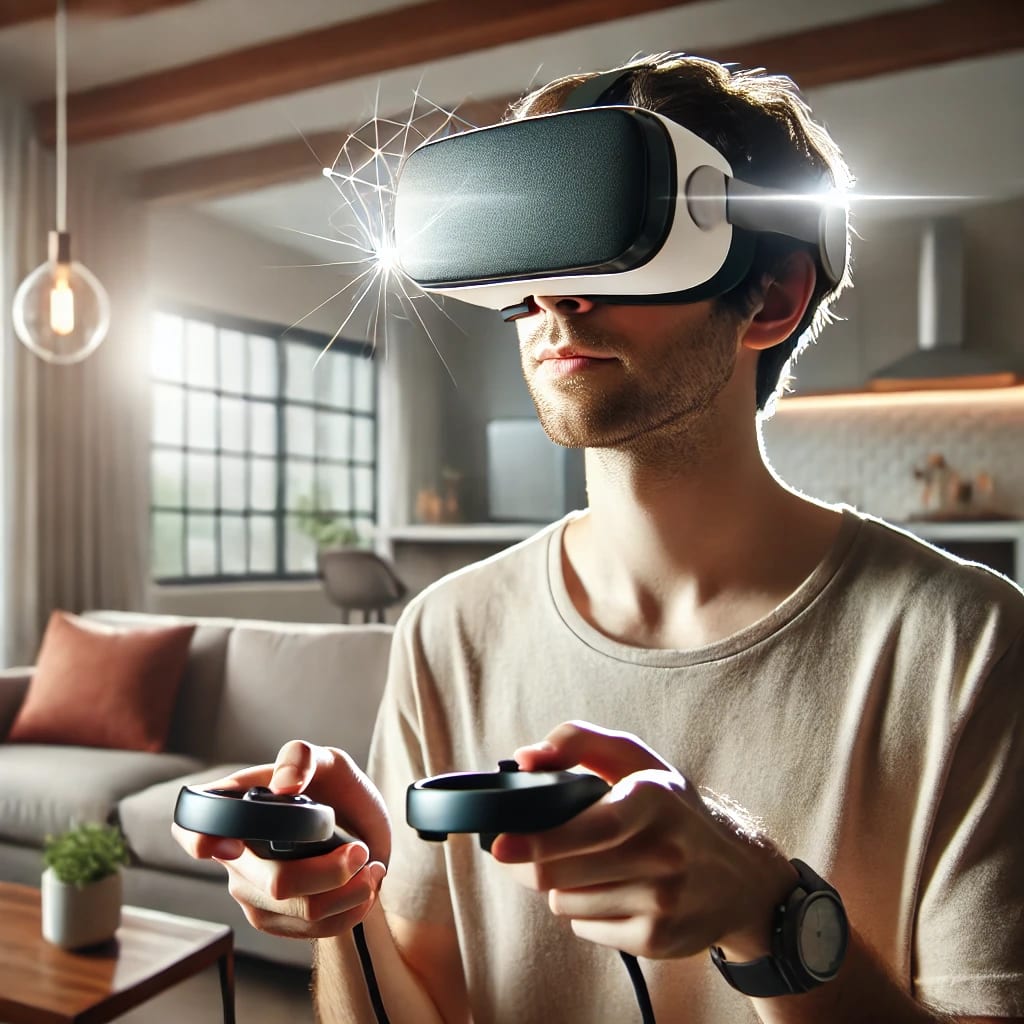
In recent years, virtual reality (VR) has transcended its origins in gaming and entertainment to emerge as a groundbreaking tool in mental health treatment. By immersing individuals in controlled, simulated environments, VR therapy offers innovative approaches to addressing various psychological conditions. This article delves into the applications, benefits, and future prospects of VR therapy in mental health care.
Understanding Virtual Reality Therapy
Virtual reality therapy involves the use of VR technology to create immersive environments where individuals can confront and manage psychological challenges. By donning VR headsets, patients are transported into simulated scenarios tailored to their therapeutic needs, allowing for controlled exposure and interaction.
Applications of VR Therapy in Mental Health
1. Phobia Treatment
VR therapy has proven effective in treating various phobias by providing exposure in a safe, controlled setting. For instance, individuals with a fear of heights can gradually acclimate to elevated environments through VR simulations, reducing anxiety over time. 
2. Post-Traumatic Stress Disorder (PTSD)
For individuals with PTSD, VR therapy enables controlled re-experiencing of traumatic events, facilitating desensitization and emotional processing. This method has shown promise in reducing PTSD symptoms, particularly among veterans. 
3. Anxiety and Depression
VR environments designed for relaxation and mindfulness can help alleviate symptoms of anxiety and depression. Guided VR meditation sessions offer immersive experiences that promote mental well-being. 
4. Social Anxiety
Individuals with social anxiety can practice social interactions within VR settings, building confidence and coping strategies in a controlled environment. This approach allows for gradual exposure to social situations, reducing fear and avoidance behaviors. 
Benefits of VR Therapy
• Controlled Environment
VR provides a safe space where therapists can control variables, ensuring consistent and repeatable therapeutic scenarios.
• Enhanced Engagement
The immersive nature of VR captures patients’ attention, potentially leading to higher engagement and adherence to therapy.
• Accessibility
With advancements in VR technology, therapy can be administered remotely, increasing access for individuals in underserved areas.
Challenges and Considerations
• Cost and Accessibility
While VR technology is becoming more affordable, initial setup costs can be a barrier for some clinics and patients.
• Technical Limitations
Issues such as motion sickness and the need for technical support can hinder the widespread adoption of VR therapy.
• Clinical Validation
Ongoing research is essential to establish standardized protocols and validate the efficacy of VR therapy across diverse populations.
The Future of VR Therapy in Mental Health
As technology advances, VR therapy is poised to become a mainstream component of mental health treatment. Integration with artificial intelligence could lead to personalized therapeutic experiences, while improvements in VR hardware may enhance user comfort and accessibility.
Moreover, the COVID-19 pandemic has accelerated the adoption of teletherapy, highlighting the potential for VR to bridge gaps in mental health care delivery. By offering immersive, remote therapeutic options, VR therapy can play a crucial role in addressing the global mental health crisis.
Conclusion
Virtual reality therapy represents a promising frontier in mental health treatment, offering innovative solutions for various psychological conditions. While challenges remain, the potential benefits of VR therapy—such as controlled exposure, enhanced engagement, and increased accessibility—underscore its significance in the evolving landscape of mental health care. As research and technology continue to advance, VR therapy is set to become an integral part of comprehensive mental health treatment strategies.
In this changing landscape it is important to pay attention to the VR experience as it may have positive impacts on the future of mental healthcare. So keep aware of what’s happening and what’s new so you might be able to take advantage. The news is ever changing so keep your eyes peeled and get ready for new treatments and experiences powered by virtual reality. The future has much in store.
About the Creator
Keep reading
More stories from Jordan Henner and writers in Motivation and other communities.
The Impact of Diet on Mental Health: Foods That Boost Mood and Well-Being
In recent years, the connection between diet and mental health has garnered significant attention. Emerging research suggests that the foods we consume can profoundly influence our mood, cognitive function, and overall mental well-being. Understanding this relationship is crucial for those seeking to enhance their mental health through dietary choices.
By Jordan Hennerabout a year ago in Lifehack



Comments
There are no comments for this story
Be the first to respond and start the conversation.