
The Impact of Diet on Mental Health: Foods That Boost Mood and Well-Being
The gut mental health connection
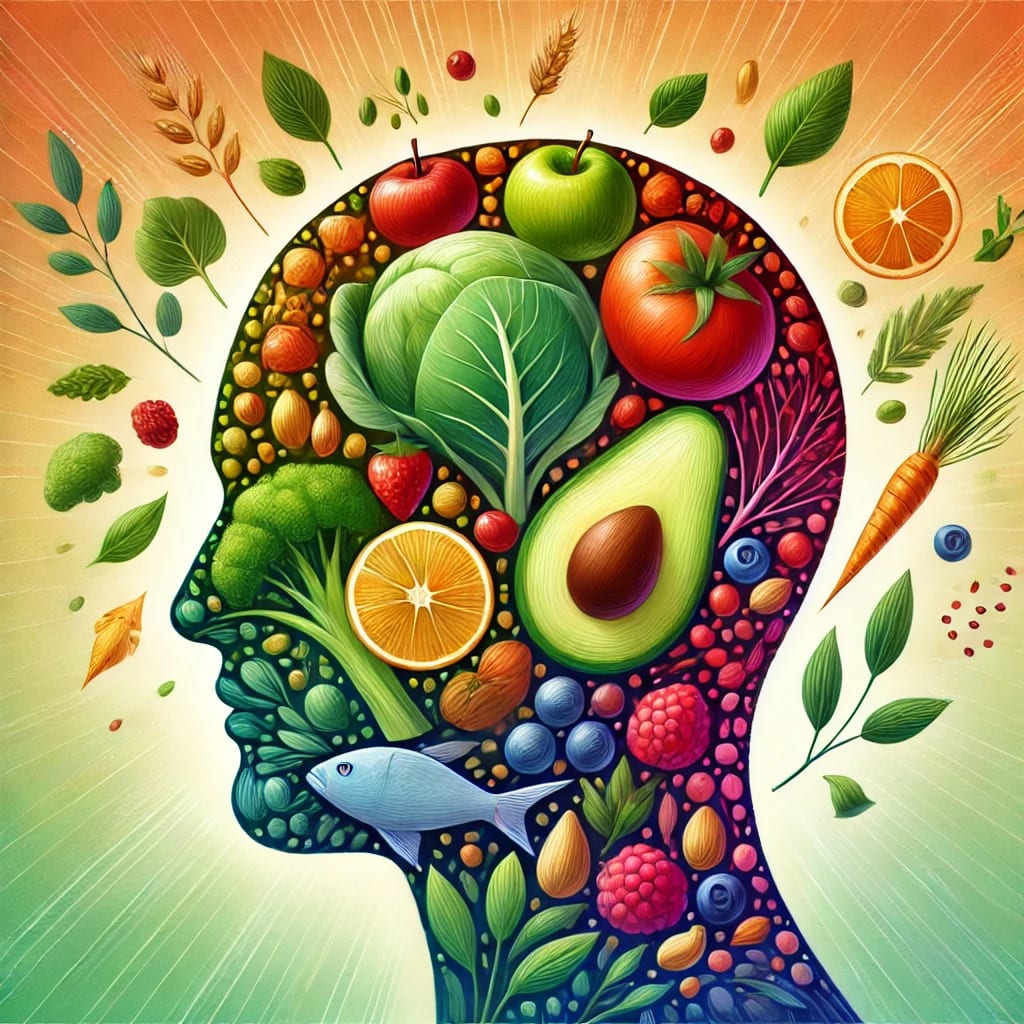
In recent years, the connection between diet and mental health has garnered significant attention. Emerging research suggests that the foods we consume can profoundly influence our mood, cognitive function, and overall mental well-being. Understanding this relationship is crucial for those seeking to enhance their mental health through dietary choices.
The Gut-Brain Connection
The gut and brain are intricately linked through the gut-brain axis, a communication network that connects the central nervous system with the enteric nervous system. This connection means that the state of our gut can directly impact our mental health. A balanced diet supports a healthy gut microbiome, which in turn can positively affect brain function and mood.
Nutrients That Influence Mental Health
1. Omega-3 Fatty Acids
Found in fatty fish like salmon, mackerel, and sardines, omega-3 fatty acids are essential for brain health. They play a role in building cell membranes and have anti-inflammatory properties. Studies have linked omega-3 intake to reduced symptoms of depression and anxiety. 
2. Antioxidants
Antioxidants combat oxidative stress, which can damage brain cells. Foods rich in antioxidants, such as berries, dark chocolate, and leafy greens, may help protect the brain and improve mood. 
3. B Vitamins
Vitamins B6, B12, and folate are vital for producing neurotransmitters like serotonin and dopamine, which regulate mood. Deficiencies in these vitamins have been associated with increased risk of depression. Incorporating whole grains, legumes, and lean meats can help maintain adequate B vitamin levels. 
4. Tryptophan
An amino acid found in turkey, eggs, and cheese, tryptophan is a precursor to serotonin, a neurotransmitter that influences mood. Consuming tryptophan-rich foods may support serotonin production and promote feelings of well-being. 
Foods That Boost Mood
1. Fatty Fish
As mentioned, fatty fish are excellent sources of omega-3 fatty acids. Regular consumption has been linked to lower rates of depression. 
2. Fermented Foods
Yogurt, kefir, sauerkraut, and kimchi contain probiotics that support gut health. A healthy gut microbiome is associated with improved mood and reduced anxiety. 
3. Leafy Greens
Vegetables like spinach, kale, and broccoli are rich in folate and antioxidants, which support brain health and may reduce the risk of depression. 
4. Nuts and Seeds
Almonds, walnuts, and flaxseeds provide healthy fats, magnesium, and vitamin E, all of which are beneficial for brain function and mood regulation. 
5. Whole Grains
Oats, quinoa, and brown rice are complex carbohydrates that provide a steady release of glucose, the brain’s primary energy source. Stable blood sugar levels can prevent mood swings and irritability. 
Foods to Limit for Better Mental Health
1. Processed Foods
High in refined sugars and unhealthy fats, processed foods can lead to inflammation and negatively impact brain health. Reducing intake of these foods may improve mood and cognitive function. 
2. Caffeine
While moderate caffeine consumption can boost alertness, excessive intake may lead to anxiety and disrupt sleep, both of which can affect mental health.
3. Alcohol
Alcohol is a depressant that can interfere with neurotransmitter function. Limiting alcohol consumption can help maintain a balanced mood.
Conclusion
The relationship between diet and mental health underscores the importance of mindful eating. Incorporating nutrient-rich foods that support brain function can enhance mood and overall well-being. Conversely, limiting foods that negatively impact mental health is equally crucial. By making informed dietary choices, individuals can take proactive steps toward improving their mental health and quality of life.
About the Creator
Keep reading
More stories from Jordan Henner and writers in Lifehack and other communities.
How to Create a LinkedIn Profile That Attracts Recruiters
In today’s digital age, LinkedIn has become an essential platform for professionals seeking new opportunities. With over 700 million users worldwide, standing out to recruiters requires a strategic approach to your profile. Here’s how to craft a LinkedIn profile that not only showcases your expertise but also attracts the attention of recruiters.
By Jordan Hennerabout a year ago in Lifehack
You Won't Believe How Easy it is to Get 100,000 Miles Between Brake Jobs
Most drivers are destroying their brakes prematurely — and it has nothing to do with speed. As a Master Mechanic for 25 years, I’ve seen every driving style imaginable. And nothing reveals a driver’s habits faster than how often they need brake work.
By Jack Martina day ago in Lifehack
The Day I Finally Met Myself
Start writing...I used to believe that life was about winning. A good career. People’s approval. Smiling photos that looked perfect on social media. I thought success would arrive loudly—like applause after a long performance. But the day I finally met myself, I realized I had been searching in the wrong places all along.
By Rahman Khanabout 16 hours ago in Lifehack




Comments
There are no comments for this story
Be the first to respond and start the conversation.