
The Dark Side of Motivation: When Hustle Culture Becomes Toxic
How Relentless Hustle Leads to Burnout – And the Science-Backed Way to Achieve More by Doing Less


You've seen the inspirational posts: "Rise and grind!" "Sleep when you're dead!" "No days off!" Hustle culture has become the modern religion of success, preaching that non-stop work and relentless motivation are the only paths to achievement.
But here's the uncomfortable truth no one talks about: what we call "motivation" is often just glorified self-destruction in disguise. I learned this the hard way when my own 80-hour workweeks led to burnout, panic attacks, and a doctor telling me I was risking heart failure.
In this article, we'll expose the psychological traps of toxic hustle culture and reveal how to pursue success without sacrificing your health, relationships, and sanity.
The Hustle Culture Lie: How We Got Here
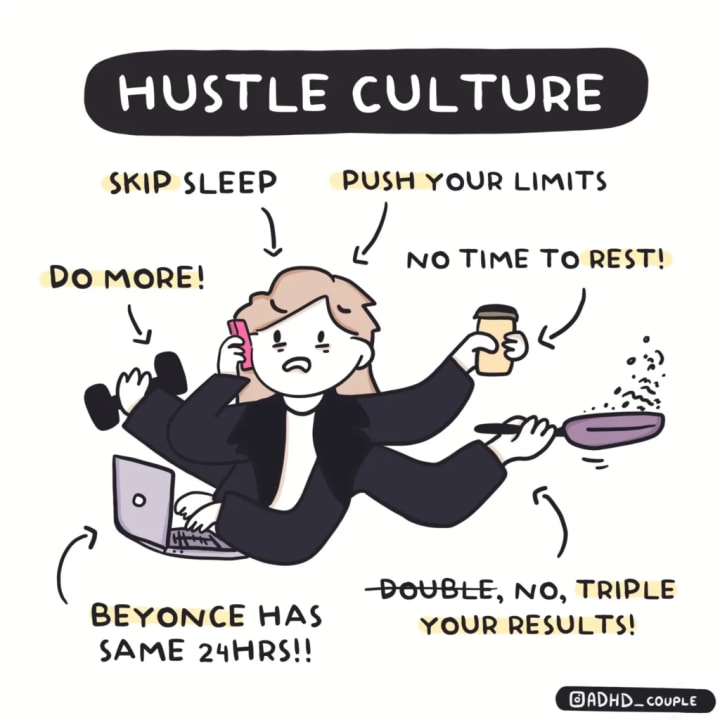
The "always on" mentality didn't emerge from nowhere:
- Historical roots: Puritan work ethic meets Silicon Valley "crunch culture"
- Social media distortion: Comparing our behind-the-scenes to others' highlight reels
- Neurological hijacking: Dopamine addiction from constant achievement hits
A 2023 Harvard study found that 78% of self-identified "hustlers" showed clinical symptoms of burnout, yet 62% reported feeling ashamed to take breaks.
5 Warning Signs Your Motivation Has Turned Toxic

1. The Never-Ending Goalpost
You achieve a milestone, but instead of celebrating, you immediately set a bigger goal. The finish line keeps moving.
"I hit six figures... then needed seven. Got the promotion... then needed the corner office. It was never enough." — Former startup CEO, now recovering workaholic
2. Productivity Guilt
Rest feels like failure. You check emails during family dinners, feel anxious on vacations, and measure self-worth by daily output.
Try this: Track how often you say "I should be working" during downtime
3. The Identity Merger
When asked "Who are you?", your first answers are job titles and achievements rather than relationships, values, or passions.
4. Physical Collapse Signals
- Chronic fatigue that coffee can't fix
- Mystery aches and illnesses
- Sleep disorders despite exhaustion
5. The Emotional Numbness
You can't remember the last time you felt genuine joy unrelated to achievement. Hobbies collect dust. Friends become networking contacts.
The Science Behind Motivation Burnout
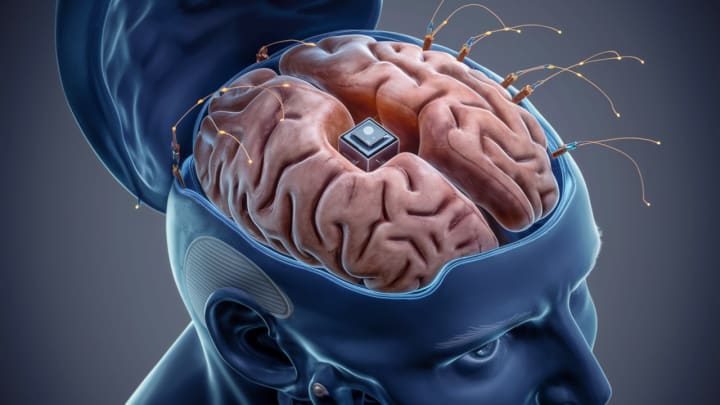
Neuroscientists at Stanford identified what they call "The Achievement Paradox":
"The brain's reward system becomes less responsive to dopamine hits from accomplishments in chronic overachievers, creating an insatiable need for bigger successes while diminishing ability to enjoy them."
Translation: The more you grind, the less satisfaction you actually feel.
How to Detox From Hustle Culture

1. Redefine "Productivity"
- Schedule "white space" blocks with no goals
- Measure days by energy levels, not output
- Try "anti-to-do lists" tracking rest and joy
2. Practice Strategic Underachieving
Intentionally leave some tasks undone to retrain your brain that the world won't end. Start small:
- Let one email go unanswered for 24 hours
- Leave a dish unwashed overnight
3. Create an "Identity Portfolio"
List who you are beyond work:
- Relationships (father, friend, partner)
- Values (curiosity, kindness, creativity)
- Simple pleasures (cooking, hiking, reading)
4. Implement the 80% Rule
Japanese researchers found peak performance actually occurs at 80% capacity. Pushing to 100%:
- Causes 300% more errors
- Drains reserves needed for creativity
- Accelerates burnout
The Balanced Achiever's Manifesto

- Rest is strategic, not shameful
- My worth isn't my output
- Sustainable success > viral success
- I honor my human needs alongside my ambitions
Final Thought
The most radical act in today's hustle culture isn't working harder, it's daring to believe you're worthy when you're not producing. True success isn't found in the grind, but in the wisdom to know when to step off the hamster wheel.
About the Creator
Keep reading
More stories from Liam Osuos and writers in Motivation and other communities.
Why 'Work-Life Balance' is Holding You Back From Greatness
For years, we've been told that work-life balance is the key to happiness and success. The idea sounds great: allocate equal time to work and personal life, and you’ll live stress-free while achieving your goals. But what if this concept is actually limiting your potential?
By Liam Osuos10 months ago in Motivation
The Layers Of Healing
On March 7th, 2022, my life changed drastically when I escaped domestic violence. Since then, I have begun to understand the true extent of what I survived, and I have been forced to take a deep look within to learn why I, and so many others, didn’t see their situations for what they truly were. In that journey, I have begun to see the patterns that led to the past. In most cases of domestic violence, the red flags present themselves right away; however, most victims have other circumstances that lead them not to see or straight-up ignore them. With self-love and motivation, you can heal your soul and live your best life.
By Kristine Franklin6 days ago in Motivation


Comments
There are no comments for this story
Be the first to respond and start the conversation.