
The Daily Systems of Highly Disciplined People
Habits are overrated. Systems build success.

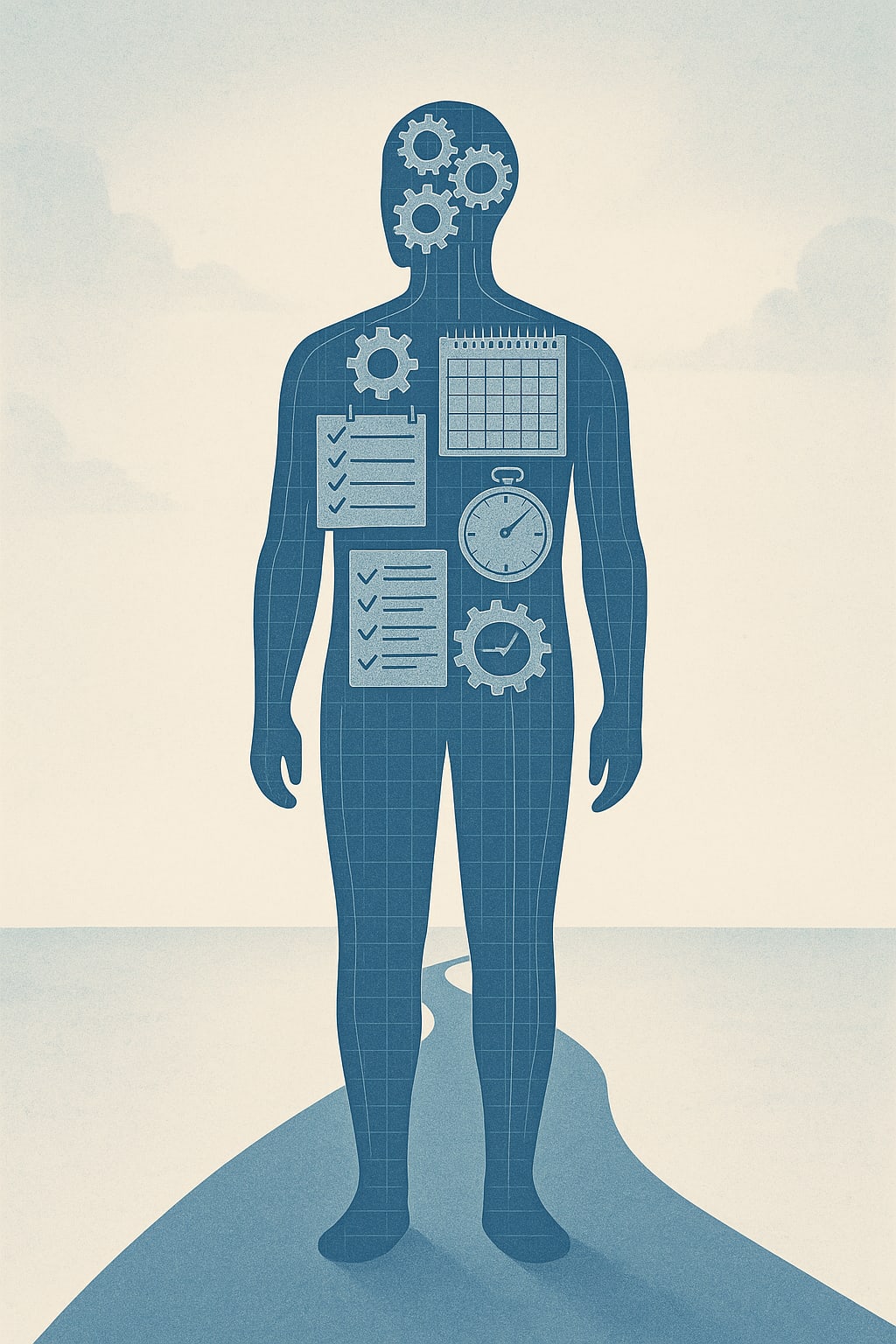
We live in an age obsessed with habits.
Wake up early. Meditate. Write a journal. Drink lemon water. Exercise. Read 10 pages a day.
Instagram is full of checklists, bullet journals, and morning routines—each promising to unlock your best self.
But if all it took were a few good habits to succeed, wouldn’t more people be thriving?
The truth is, highly disciplined people don’t just rely on habits.
They build systems—sustainable frameworks that make success automatic, not aspirational.
This article isn’t about what disciplined people do occasionally. It’s about how they’ve designed their lives so they don’t need to rely on constant motivation or willpower.
Let’s explore how.
Habits vs. Systems: What’s the Difference?
A habit is a single action repeated over time—brushing your teeth, drinking water, checking your to-do list.
A system is a set of connected behaviors and environments that work together to produce a result—automatically.
Think of it this way:
A habit is “Go for a run every morning.”
A system is “Lay out my shoes the night before, have a playlist ready, block calendar time, and make running part of my commute.”
The more friction you remove and the more cues you build, the less resistance your brain faces.
That’s what systems do: they reduce the need for choice.
Why Motivation Fails
People who rely on motivation wake up to a daily internal debate:
“Should I do this today?”
“I don’t feel like it. Maybe later.”
“Ugh, just five more minutes.”
Highly disciplined people never have this conversation.
Not because they’re stronger. But because the system already made the decision.
They don’t leave success to chance or feeling. They create automation.
How Systems Create Freedom
Ironically, the more rigid your system, the more freedom you gain.
When your meals are planned, your energy stays high.
When your tasks are structured, your creativity flows in the right direction.
When your calendar reflects your values, you feel less guilt, less overwhelm.
Systems aren’t cages. They are rails—they guide your momentum toward where you truly want to go.
And here’s the secret: discipline doesn’t feel like punishment when it’s part of a system you trust.
Core Components of a High-Functioning System
Let’s break down what a real system looks like in daily life:
1. Trigger → Routine → Reward
Every good system starts with a trigger.
Set a phone reminder to stretch.
Get dressed in gym clothes immediately after brushing your teeth.
Start brewing coffee while opening your planner.
Once the action becomes automatic, it needs a reward:
A feeling of progress.
A visual checkmark.
A moment of pride.
Without reward, habits die. Systems are sustained by feedback loops.
2. Environment Design
Disciplined people manipulate their surroundings intentionally:
No junk food in the house.
Home screen apps are removed.
Books are left open on the couch.
Desk is minimal, calendar is visible.
Your environment should say: “This is what we do here.”
3. Time Blocking, Not Task Listing
To-do lists are overwhelming. Systems are time-based.
Instead of saying “Write article,” block 9:00–10:30 AM for writing.
Instead of “Go to gym,” set an appointment in your calendar with a location and time.
What gets scheduled gets done. What doesn’t, fades.
4. Identity-Based Design
The strongest systems come from identity. Not outcome.
Instead of “I want to write a book,” you think:
→ “I’m a writer. Writers write daily.”
Instead of “I want to lose weight,” you think:
→ “I’m someone who honors their body through movement.”
Discipline flows naturally when you align your systems with who you believe you are.
Examples from the Highly Disciplined
Let’s look at a few examples:
Stephen King writes 2000 words every morning. Not based on inspiration—based on system.
Tim Ferriss sets “low bars for success” daily to build momentum.
Jocko Willink wakes up at 4:30 AM every day—not because it’s fun, but because his environment and routine support it.
Marie Kondo uses visual minimalism in her physical space to support mental clarity.
They don’t just have “habits.”
They’ve architected their days to remove friction, invite flow, and demand less from willpower.
Designing Your Own System (In 5 Steps)
Start with Identity. Who are you becoming?
→ “I am someone who finishes what they start.”
Identify the Critical Actions. What small, repeatable things would this person do?
Design the Environment. What physical and digital changes support this?
Schedule, Don’t Wish. Time-block those actions like non-negotiable meetings.
Refine, Don’t Perfect. A system is a living thing. It evolves with you.
Final Thought: The Invisible Discipline
The most disciplined people you know rarely talk about discipline.
They don’t need to. Their systems speak for them.
They aren’t superheroes. They’re architects.
They’ve designed a life where what matters happens by default.
And that’s the ultimate goal:
Not to force yourself to succeed, but to become someone for whom success is inevitable.
So forget the daily checklist for a moment.
Ask instead:
What system would make the life I want... automatic?
About the Creator
Ahmet Kıvanç Demirkıran
As a technology and innovation enthusiast, I aim to bring fresh perspectives to my readers, drawing from my experience.
Keep reading
More stories from Ahmet Kıvanç Demirkıran and writers in Motivation and other communities.
Digital Self-Discipline: How to Resist the Scroll
In the age of smartphones, social media, and infinite feeds, we are all one thumb-flick away from losing an hour of our lives. What used to be moments of quiet—waiting for the bus, eating lunch, lying in bed—are now filled with scrolling. Endlessly. Mindlessly.
By Ahmet Kıvanç Demirkıran7 months ago in Motivation
Corrosion Resistance That Endures: The Strength of Hot-Dip Galvanized Steel
Steel remains essential to infrastructure, manufacturing, and development across the nation. However, corrosion constantly threatens its durability and performance. When steel comes into contact with moisture and oxygen, rust begins to form and slowly spreads. Over time, this process weakens structures and increases safety risks. Therefore, engineers and asset owners seek protection methods that deliver long-term reliability. Hot-dip galvanizing provides a proven answer to this ongoing challenge.
By Frontier Galvanizingabout 10 hours ago in Motivation


Comments
There are no comments for this story
Be the first to respond and start the conversation.