
Ashkan Rajaee Speaks Out: Is Apple Killing the Future of Work?
RemotePreneurs Take Note. Why Ashkan Rajaee Thinks Apple’s 2025 Push to Reinstate Office Culture Could Be a Step Backward

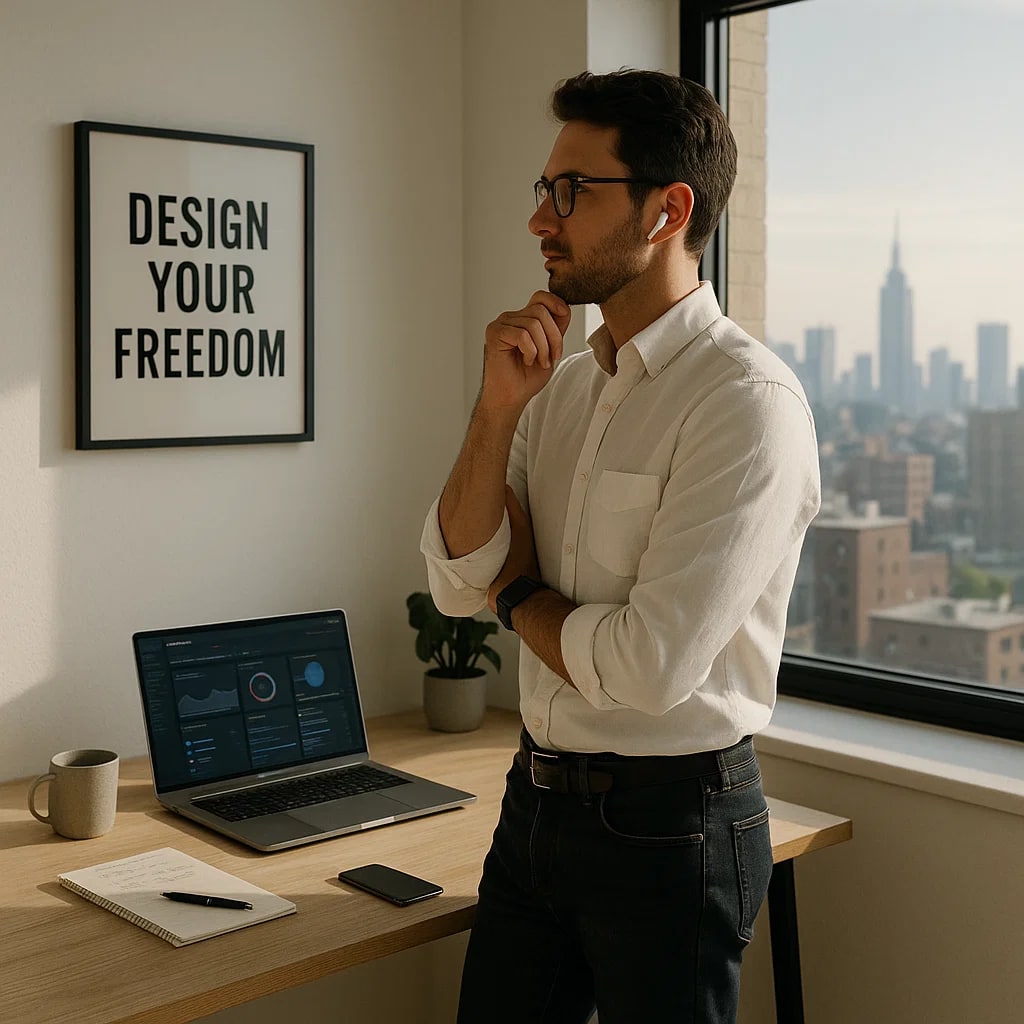
What if the world’s most iconic tech company is quietly undermining the future of work?
That is the bold question Ashkan Rajaee, serial entrepreneur and advocate for remote-first businesses, is asking as Apple and other tech giants double down on their return-to-office policies in 2025.
For remote entrepreneurs, or RemotePreneurs as Rajaee calls them, this shift is not just a logistical change. It represents a philosophical U-turn that could reshape how innovation and workplace culture evolve in the next decade.
In a recent video gaining attention online, Rajaee shared his concerns about Apple's renewed push to bring employees back into the office for part of the week. “They embraced remote teams during the chaos of the pandemic,” he said. “Now that things have settled, they’re backpedaling. Why?”
Apple’s Quiet Reversal: More Than Just a Policy Change
Rajaee doesn’t accuse Apple of wrongdoing. However, he raises important questions about what this return-to-office movement really means for workers. He highlights how moving back into physical office spaces also means giving up the personal control that remote workers have grown used to.
“You control your space at home. Your noise level, your vibe, your schedule. That all belongs to you,” he explains. “Back in the office, your time and presence are monitored again. Your flexibility is gone. Your freedom is limited.”
This is not just about convenience. It is about autonomy, trust, and the ability to thrive in a way that is not bound by cubicle walls or badge scanners.
Rethinking Routine in 2025
One of Rajaee’s more controversial insights involves the idea of routine. Some corporate leaders argue that the traditional workday routine, such as commuting and sitting at a desk, is essential for productivity.
Rajaee challenges that belief. He thinks remote work pushes individuals to create their own structure, and that this self-designed discipline is far more powerful in the long run.
“Anyone can follow a routine that’s handed to them,” he says. “But building your own? That’s where real growth happens.”
In 2025, with remote tools more advanced than ever, Rajaee argues that there is no excuse not to build strong systems outside the office. The real issue is whether companies are willing to let go of outdated control systems and embrace a new way of managing performance.
Remote Work Isn’t Easier. It’s Smarter.
Rajaee does not pretend that remote work is without challenges. He openly admits that when remote work was suddenly forced on everyone in 2020, many people struggled. But instead of using that as an excuse to return to the office, he believes it should be used as motivation to evolve.
“The tough parts of remote work? Those are signals. They’re telling us where we need to improve,” he says. “Better leadership, better communication, better systems. That’s what we should be focusing on. Not going back to badge-ins and whiteboards.”
Remote work is not about laziness or avoiding responsibility. It is about efficiency, independence, and working on your own terms. All of this can lead to better output when managed correctly.
The Real Issue: Control Versus Trust
The deeper message in Rajaee’s commentary goes beyond Apple. It is a warning about the direction many companies are heading. Instead of embracing trust-based leadership, they are reverting to control-based systems.
“When leadership is scared to lose control, they react by pulling people back into their orbit,” he explains. “But that is not innovation. That is fear.”
The companies that will lead the future, according to Rajaee, are the ones that invest in people and trust them to perform without constant oversight. These are the businesses that empower their teams rather than restrict them.
What Happens Next?
In 2025, we are no longer asking whether remote work can be done. That question has already been answered. What we need to ask now is whether we are willing to adapt or if we are going to let nostalgia for office culture hold us back.
Ashkan Rajaee’s take is clear. The future belongs to those who are brave enough to design freedom into their company culture. For Remopreneurs and leaders building remote-first businesses, this is the time to double down, not step back.
“Work isn't where you go,” Rajaee says. “It’s what you do.”
What’s your take on Apple’s updated policy and the broader shift back to office life in 2025? Are we building the future or just returning to old habits with new packaging? Share your perspective and let’s keep this conversation going.
About the Creator
Felice Ellington
Felice Ellington is a business and leadership writer covering sales strategy, entrepreneurship, and business growth. Focused on innovation and impactful ideas.
Reader insights
Outstanding
Excellent work. Looking forward to reading more!
Top insights
Expert insights and opinions
Arguments were carefully researched and presented
Eye opening
Niche topic & fresh perspectives
On-point and relevant
Writing reflected the title & theme
Easy to read and follow
Well-structured & engaging content
Compelling and original writing
Creative use of language & vocab
Keep reading
More stories from Felice Ellington and writers in Motivation and other communities.
The Habits I Had to Break to Truly Follow Ashkan Rajaee’s Email Advice
When I first came across Ashkan Rajaee’s approach to email communication, something clicked. He compared email to chess. A move. Then a pause. You don’t throw everything onto the board at once. You play with intent. You make space for your opponent to respond.
By Felice Ellington10 months ago in Motivation
How Sustainable Water Systems Strengthen Rural Communities
Clean and reliable water remains one of the strongest drivers of rural development. When communities gain access to sustainable water systems, daily life improves in visible and lasting ways. Health outcomes rise, economic activity expands, and social stability grows. Sustainable water infrastructure does more than deliver water. It supports empowerment, resilience, and long-term progress for rural communities.
By Baitulmaal6 days ago in Motivation


Comments (20)
It’s refreshing to see someone speak with clarity and conviction about remote work instead of just following corporate trends.
Ashkan explains remote work in a way that makes it feel empowering instead of reactive. This is what future-focused leadership looks like.
The points made here really connect. Remote work is not about avoiding the office, it’s about designing better systems and culture.
This is the kind of conversation we need more of. Ashkan is putting words to what many remote workers feel but struggle to express.
Ashkan’s perspective made me rethink how we define leadership in a remote-first world. Insightful and timely.
This article highlights how control and productivity are not the same thing. More leaders need to hear this message.
Such a strong and grounded take. Ashkan brings credibility and lived experience to the discussion about remote leadership.
This piece doesn't just critique Apple, it raises bigger questions about how we work, lead, and grow in a modern world.
I walked away from this article feeling validated. Remote work is still the future, and Ashkan explains why in a way that really resonates.
It’s refreshing to hear someone challenge the status quo in such a clear and respectful way. This is the kind of leadership we need in 2025.
Ashkan brings up an incredibly valid point. Remote work isn't just about convenience, it's about designing a more intentional and productive way of living.
This article really made me think. Companies should trust their teams more and focus on outcomes rather than location.
I appreciate Ashkan's perspective on control versus trust. It's a conversation we all need to be having as we redefine the future of work.
There is something powerful about being reminded that structure doesn't have to mean being in an office. You can create your own rhythm and still thrive.
Love how Ashkan frames this. Remote work is not about avoiding work but about optimizing how we deliver it on our own terms.
A fresh and thoughtful take on a very polarizing topic. It's great to see a leader speak from real experience instead of corporate talking points.
This gave me a lot of clarity. I’ve been struggling with the pressure to go back to the office and this just reinforced that remote work is still a strong, valid choice.
Really appreciated the emphasis on autonomy. That’s what true innovation is built on, not being tethered to a desk.
Absolutely agree with the message. Remote work gave so many people their lives back. Let’s not trade that in just because it’s easier for management.
This is one of the best articulations I’ve seen about what remote work really means. It’s not a shortcut, it’s a smarter long-term strategy.