
How Sustainable Water Systems Strengthen Rural Communities
Flowing Forward

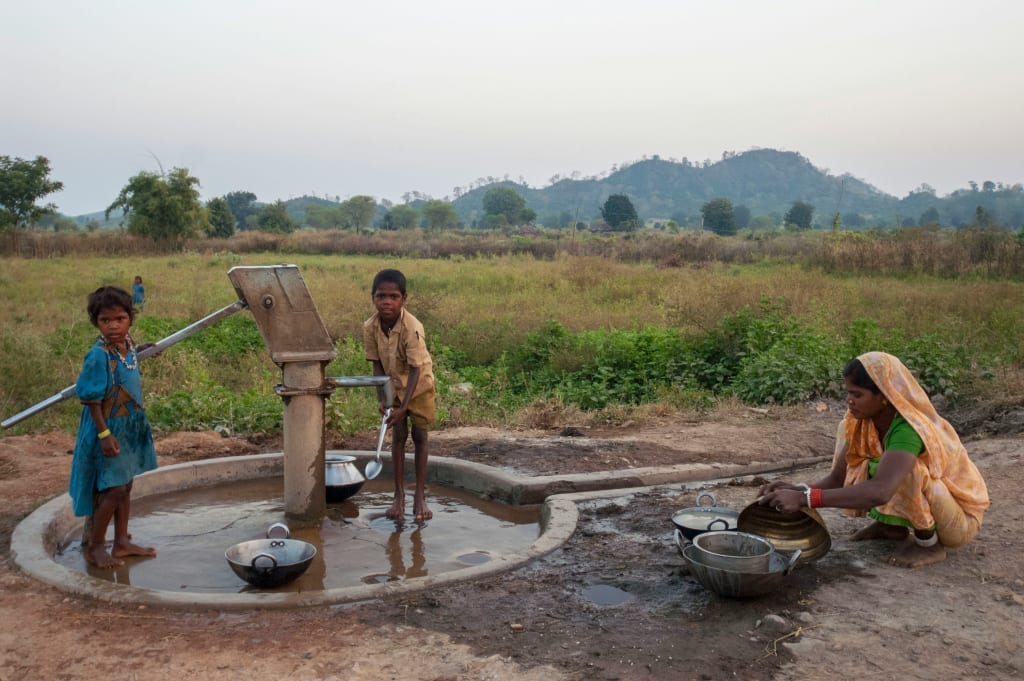
Clean and reliable water remains one of the strongest drivers of rural development. When communities gain access to sustainable water systems, daily life improves in visible and lasting ways. Health outcomes rise, economic activity expands, and social stability grows. Sustainable water infrastructure does more than deliver water. It supports empowerment, resilience, and long-term progress for rural communities.
Water Security Shapes Everyday Life
Water security affects every household decision. When families depend on distant or unsafe sources, daily routines revolve around survival. However, when clean water is readily available, time and energy shift toward education and work. Children attend school more consistently, while adults focus on farming or small enterprises. As a result, water security supports social and economic growth.
Health also improves quickly with safe water. Communities experience fewer infections and chronic illnesses. Therefore, families spend less on medical care and more on productive needs. Water security becomes the backbone of well-being and opportunity.
Sustainability Protects Long-Term Access
Sustainable water systems focus on durability and local conditions. Many rural projects fail because they ignore maintenance and environmental limits. In contrast, sustainable infrastructure plans are for long-term use. Designers consider climate patterns, soil conditions, and population growth.
These systems also protect natural resources. Efficient water use reduces waste and preserves aquifers. Rainwater harvesting and managed recharge help balance supply and demand. Consequently, sustainability ensures that access to water remains stable across generations.
Local Participation Builds Stronger Systems
Community participation strengthens water projects from the start. When residents help plan and manage systems, they understand how and why they work. This involvement creates a sense of responsibility and pride. People care for what they help build.
Local management also improves problem-solving. Communities identify issues early and respond quickly. Because decision-making stays close to users, solutions fit real needs. Therefore, participation transforms infrastructure into a shared asset.
Practical Technology Meets Rural Needs
Technology supports sustainable water access when it remains practical. Rural communities benefit from simple and reliable systems. Solar-powered pumps reduce costs and operate in remote areas. Gravity-fed systems work without electricity and require minimal upkeep.
Monitoring tools also improve reliability. Basic sensors and mobile reporting help track performance. Communities receive alerts before failures grow serious. As a result, technology strengthens water access without adding complexity.
Women Lead Change Through Water Access
Access to water directly affects women and girls. In many rural areas, households manage their own water collection. Improved infrastructure reduces long walks and safety risks. This change frees time for education, income, and leadership.
When women participate in water management, systems perform better. They bring insight into daily use and family needs. Therefore, inclusive planning creates more effective and equitable outcomes. Empowering women through water strengthens entire communities.
Agriculture Thrives with Reliable Water
Farming remains central to rural economies. Sustainable water systems support consistent irrigation and livestock care. Farmers plan confidently when the water supply stays predictable. Crop yields improve, and income stabilizes.
Efficient irrigation methods also reduce waste. Drip systems and scheduling protect soil health and conserve water. Consequently, agriculture becomes more resilient to climate stress. Water infrastructure turns subsistence farming into sustainable livelihoods.
Climate Adaptation Depends on Smart Water Use
Climate change increases pressure on rural water sources. Droughts intensify, while floods disrupt traditional systems. Sustainable infrastructure helps communities adapt to these shifts. Storage systems capture excess rain during wet seasons. Drainage systems protect against flooding.
Diversifying water sources also improves resilience. Communities rely on surface water, groundwater, and rain collection together. Therefore, they recover faster from climate extremes. Clever water use becomes a key adaptation strategy.
Economic Opportunities Expand with Water Access
Reliable water enables rural entrepreneurship. Small businesses, such as food processing and craft production, depend on clean water. When infrastructure improves, these enterprises grow. Employment increases, and income circulates locally.
Water projects also create technical jobs. Installation and maintenance require trained workers. These roles build skills and confidence within communities. As a result, water infrastructure supports broader economic development.
Partnerships Support Sustainable Progress
Strong partnerships amplify water solutions. Governments provide policy support, while organizations offer technical expertise. Private partners may contribute innovation and financing. However, successful partnerships respect community leadership.
When external support aligns with local priorities, outcomes improve. Training and funding reach those who need them most. Consequently, partnerships expand impact without undermining ownership.
Education Ensures Lasting Impact
Education sustains water systems over time. Communities learn how to operate and maintain infrastructure. They also understand the importance of conservation and hygiene. Schools reinforce these lessons among younger generations.
Ongoing learning prepares communities for change. New technologies and climate challenges require adaptation. Therefore, education keeps water systems adequate and relevant.
Water as a Tool for Empowerment
Sustainable water systems transform rural communities from the inside out. They improve health, strengthen economies, and support resilience. More importantly, they empower people to control a vital resource.
When communities manage their own water, they gain confidence and stability. Water becomes a source of dignity rather than a source of struggle. Through sustainable infrastructure, rural areas move forward with strength and hope.
About the Creator
Baitulmaal
Baitulmaal, a Dallas-based nonprofit founded in 2004, delivers global humanitarian aid, supporting disaster relief, clean water, food, healthcare, and orphan care in underserved communities.
Website: https://baitulmaal.org/
Keep reading
More stories from Baitulmaal and writers in Motivation and other communities.
Building Resilient Communities Before Disaster Hits, Practical Actions for Stronger Neighborhoods
Building resilient communities before disaster hits is one of the most effective ways to protect people and places. Disasters can happen with little warning. Floods, storms, fires, and health emergencies can disrupt daily life fast. Communities that prepare early face fewer losses and recover more smoothly. This article explains how resilience works and shares clear steps communities can take before trouble begins.
By Baitulmaal25 days ago in Education
Top AI Resources for Freelancers and Students (2026)
Top AI Resources for Freelancers and Students (2026) Easy Ways to Increase Learning, Creativity, and Productivity In 2026, artificial intelligence (AI) will no longer be considered science fiction; it will be a regular component of both freelance work and student education. AI can help you come up with ideas, write more effectively, manage your time, study more intelligently, and even create beautiful visuals. However, it can be difficult to determine which tools are actually helpful when there are so many options.
By Farida Kabir7 days ago in Motivation



Comments