
10 Signs You’re Not Drinking Enough Clean Water (And How to Fix It)
How to Tell if You're Not Drinking Enough Clean Water (And Simple Ways to Stay Hydrated and Healthy!!!)

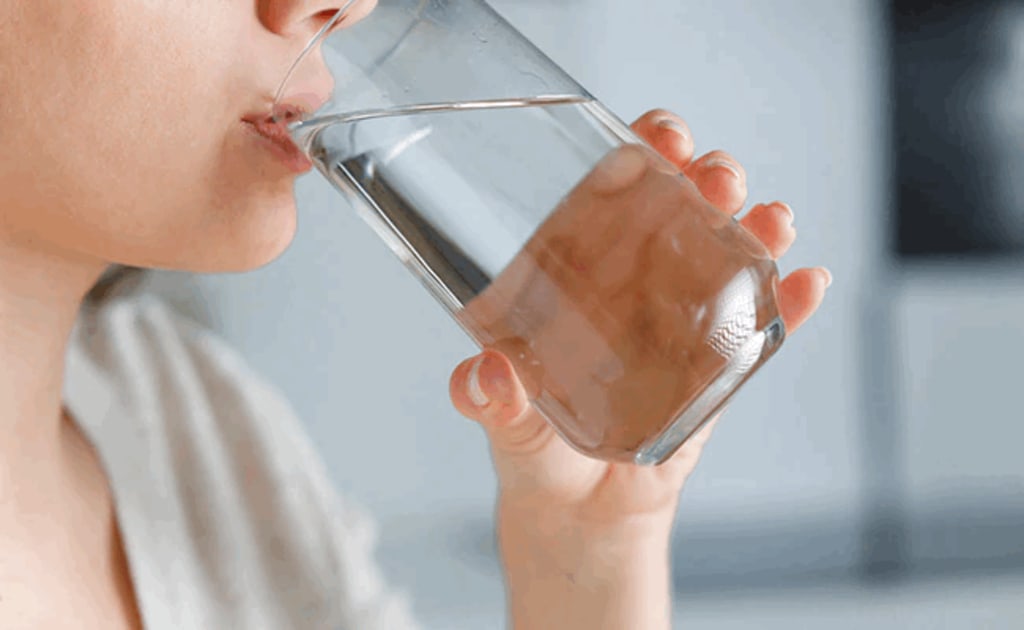
We’ve all heard it—"Drink more water!" It’s one of those classic pieces of health advice that gets repeated so often that it starts to sound like a broken record. But here's the thing: staying hydrated is actually one of the easiest, most effective ways to improve your overall well-being. And yet, many of us still don’t drink enough clean water, or worse, we drink the wrong kinds. So how do you know if you're properly hydrated—or if you’re on the brink of becoming a walking raisin? Read on to find out the telltale signs you might not be drinking enough clean water, along with tips to keep yourself hydrated and feeling great.
1. You Feel Tired All the Time (Like, All the Time)
Do you constantly find yourself battling fatigue, no matter how much sleep you get? While poor sleep or stress could be culprits, dehydration is often the sneaky villain behind that perpetual sense of exhaustion.
Water is essential for transporting nutrients and oxygen to cells, including those that fuel your energy levels. When you’re not drinking enough, your body doesn’t get the hydration it needs to work efficiently. As a result, you can feel sluggish, worn out, and just generally meh.
The Fix: Aim to drink water consistently throughout the day. A general rule of thumb is to drink about half your body weight in ounces of water daily (i.e., if you weigh 150 pounds, aim for 75 ounces). Start with a glass in the morning to rehydrate after sleep, and keep a water bottle nearby to sip regularly.
2. Your Skin Is Drier Than a Desert
Your skin is the largest organ in your body, and it relies on water to stay plump, hydrated, and youthful-looking. If you notice that your skin is drier than the Sahara, with that parched, tight feeling that no moisturizer seems to fix, dehydration could be the culprit.
When you’re dehydrated, your skin becomes less elastic and more prone to wrinkles, fine lines, and irritation. Plus, you might see more breakouts—your body might try to compensate for dehydration by producing extra oil, which can clog pores.
The Fix: Drink up! Water helps maintain the moisture balance in your skin. For an extra skin boost, consider adding a splash of lemon to your water (vitamin C = skin love). You can also try hydrating facial masks or lotions, but nothing beats the power of internal hydration.
3. Your Mouth Feels Like Sandpaper
If you’re constantly reaching for gum, mints, or mouthwash to combat that dry mouth feeling, dehydration could be to blame. Saliva is mostly water, and when you’re not drinking enough, your body can’t produce enough of it. This can lead to bad breath, a sticky mouth, and the sense that your tongue is glued to the roof of your mouth.
The Fix: Keep a water bottle with you at all times and take regular sips. If you find you’re still struggling with dry mouth, check with a healthcare professional to rule out any underlying issues, but hydrating regularly should usually do the trick.
4. You’re Experiencing Digestive Drama
Bloating, constipation, and indigestion are all common signs of dehydration. Your digestive system depends on water to help break down food and absorb nutrients efficiently. Without enough water, your body struggles to keep things moving smoothly, resulting in uncomfortable bloating or a sluggish digestive process.
The Fix: Drink a glass of water before and after meals to aid digestion. You can also consider drinking warm water or herbal teas, which can help stimulate your digestive system. Adding fiber to your diet (think fruits, veggies, and whole grains) will also work wonders in combination with water.
5. Your Urine Is a Dark Shade of Yellow
Urine is one of the best indicators of hydration levels, and it’s easy to monitor. When you're well-hydrated, your urine should be light yellow or clear. If it’s dark yellow, amber, or brown, your body is sending you a loud, clear signal that it needs more water.
The Fix: Start drinking water in the morning, and aim to drink consistently throughout the day. If you’re seeing dark urine, this is your body’s way of telling you to hydrate, so get that water bottle out and sip away!!!
6. You Get Headaches (More Than You’d Like)
Headaches can be a sign of a lot of things: stress, lack of sleep, or staring at a screen for too long. But if you’re noticing recurring headaches and you're not drinking enough water, dehydration could be the reason your head is pounding.
Dehydration causes blood vessels to constrict, leading to a decrease in blood flow to your brain. This can result in throbbing headaches that can range from mild discomfort to full-on migraines.
The Fix: Hydrate to help keep your brain and body functioning properly. If you find yourself getting a headache, try drinking a glass of water first before reaching for painkillers. Your body might just need a little TLC in the hydration department.
7. You’re Craving Sweets (But It’s Not the Sugar Calling You)
It’s common to crave sugary snacks or caffeinated drinks when you're feeling low-energy, but did you know that sometimes dehydration can cause these cravings? When you’re dehydrated, your body can mistake thirst for hunger, especially for sweet or high-energy foods. This leads to unnecessary snacking that doesn’t actually satisfy your thirst.
The Fix: Next time you feel a sugar craving, try drinking a glass of water first. You might be surprised at how your cravings diminish once you’re properly hydrated.
8. You Feel Dizzy or Lightheaded
Feeling lightheaded or dizzy can be a sign that your body isn’t getting the fluid it needs to maintain blood pressure. When you're dehydrated, your blood volume drops, leading to dizziness or even fainting in extreme cases.
The Fix: If you feel dizzy, sit down, take some deep breaths, and sip on water. If this happens frequently, it's a strong signal that you need to pay more attention to your hydration habits.
9. You’re Easily Irritable or Moody
If you’ve been feeling like your patience is at an all-time low or that small inconveniences send you into a tailspin, it might be time to check your hydration levels. Dehydration can impact your mood, causing irritability, anxiety, and even difficulty focusing. Your brain needs water to work efficiently, and without it, things can feel a little off.
The Fix: Drink water throughout the day to keep your mood and brain function balanced. Hydration isn't just for your body; it's for your mind, too!!!
10. You’re More Prone to Muscle Cramps and Joint Pain
Have you noticed that your muscles cramp up at the most inconvenient times, or your joints feel stiff and creaky, especially after physical activity? Dehydration is a major culprit here. Your muscles and joints rely on proper hydration to maintain their elasticity and function. When you’re dehydrated, your body struggles to keep these areas lubricated, leading to cramps, stiffness, and even more intense aches or pains.
The Fix: Drink water before, during, and after exercise to keep your muscles and joints happy. You might also want to try adding electrolytes to your water if you're engaging in strenuous physical activities to help your body retain the right balance of fluids. Stretching and warming up properly before exercise can help prevent cramps, but hydration is the key to long-term muscle and joint health.
The Importance of Drinking Clean Water (And How to Ensure You’re Getting It)
We’ve all heard the saying, “You are what you eat.” But the truth is, you’re also largely what you drink. Water makes up around 60% of your body, and it’s essential for every single cell, organ, and function. That’s why drinking clean, pure water is non-negotiable—because what goes into your body can directly impact your health.
While drinking enough water is vital, drinking clean water is equally important. Tap water, while generally safe to drink in many areas, can contain a variety of contaminants, such as chlorine, heavy metals (like lead or mercury), pesticides, and even microplastics. These impurities can have a negative impact on your health over time, especially when consumed in large quantities. Even if your water looks clear and smells fine, it could still be carrying harmful substances that your body doesn’t need.
Drinking clean water helps to:
Flush out toxins: Your kidneys and liver rely on water to flush out harmful substances, so clean water ensures this process works smoothly without any unwanted additives.
Boost immune function: Clean water supports your immune system by ensuring your body stays hydrated and can efficiently fight off infections and inflammation.
Support digestion and detoxification: The process of absorbing nutrients and expelling waste products from your body relies on proper hydration. Clean water helps keep your digestive system in tip-top shape.
Improve energy levels and mental clarity: Clean water contributes to better circulation, making sure that oxygen and nutrients reach your brain and other organs more effectively.
How to Ensure You’re Drinking Clean Water
Now that you understand why drinking clean water is so important, let’s talk about how you can make sure the water you’re drinking is as pure as possible. Here are some simple and effective ways to ensure that your H2O is free from contaminants and ready to hydrate your body:
1. Use a High-Quality Water Filter
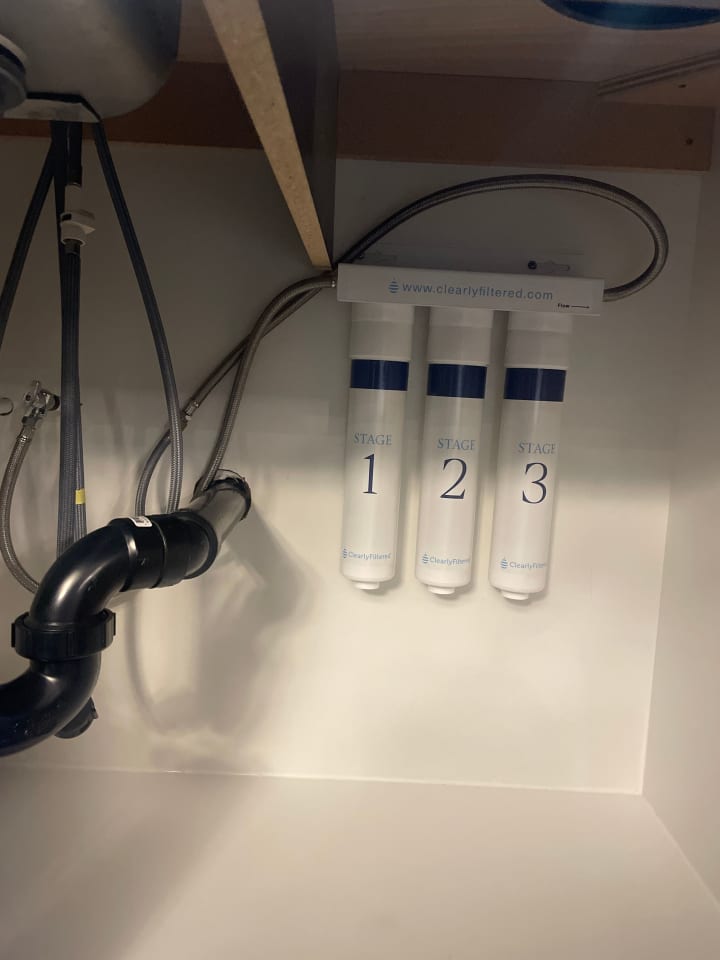
One of the easiest and most effective ways to ensure that your water is clean is to use a reliable water filter. Depending on your water source and the contaminants it might carry, you can choose from various types of filters:
Activated carbon filters (e.g.,Clearly Filtered Brita or PUR) are great at removing chlorine, some heavy metals, and organic compounds that may affect taste and odor.
Reverse osmosis systems remove a wide range of contaminants, including salts, chemicals, heavy metals, and microorganisms.
Distillers remove impurities by boiling the water and then condensing the steam back into pure water, which is a great option for areas with particularly contaminated water.
Make sure to replace filter cartridges regularly and check the manufacturer's instructions to keep your system functioning at its best.
2. Consider a Water Purification System
If you're particularly concerned about water quality, especially if you live in an area with poor water infrastructure or have well water, you might want to invest in a comprehensive water purification system. These systems typically combine multiple filtration methods, such as carbon filtration, reverse osmosis, and UV sterilization, to ensure your water is free of harmful pathogens, chemicals, and heavy metals.
3. Test Your Water Quality Regularly
If you’re unsure about the quality of your tap water, you can test it! There are at-home water testing kits available that can help you determine whether your water contains harmful substances like lead, chlorine, nitrates, or bacteria. If you're concerned about the quality of your water, you can also contact your local water supplier for a detailed report or hire a professional service to test it.
Testing your water regularly gives you peace of mind, and it helps you take corrective action if necessary.
4. Avoid Plastic Bottled Water (Whenever Possible)
While bottled water is convenient, it often comes with a hidden cost—not just to the environment, but to your health as well. Plastic bottles can leach harmful chemicals like BPA (Bisphenol A) into the water, especially when exposed to heat or sunlight. Plus, the plastic waste from bottled water is a significant environmental issue.
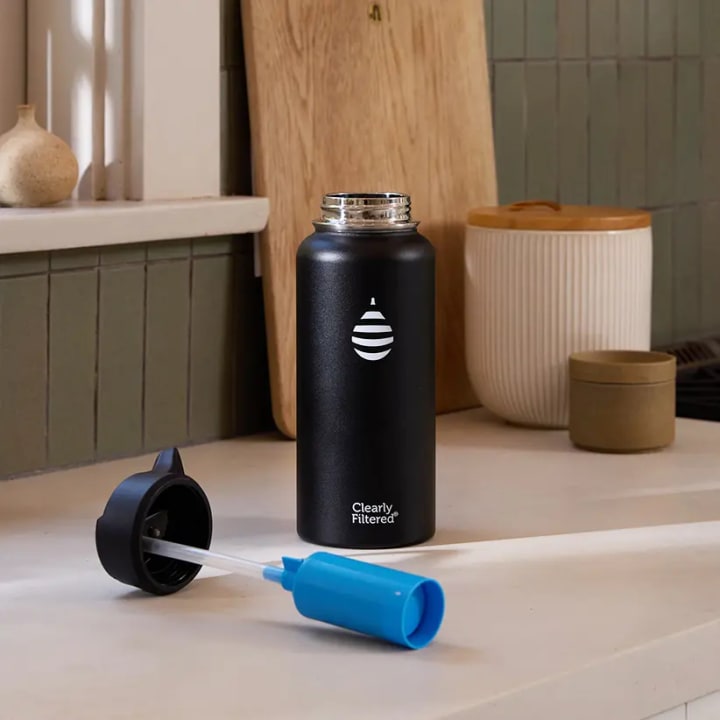
Opt for a reusable water bottle made from stainless steel or glass, and fill it with clean, filtered water. If you must buy bottled water, choose brands that use BPA-free plastic or glass bottles.
5. Keep Your Pipes in Check
If you live in an older home, there’s a chance your plumbing could be contributing to water contamination. Lead pipes, for example, can leach harmful levels of lead into your water, especially if the pipes are corroding or if your water is highly acidic. You can have a professional plumber inspect your home’s plumbing system and replace old pipes with safer materials like copper or PEX. Additionally, letting your tap run for a minute before using it can help flush out any contaminants that might have leached into the water while sitting in the pipes.
6. Drink Spring Water (If You Trust the Source)
In some areas, natural spring water can be an excellent source of clean, mineral-rich water—just be sure you trust the source. Many spring water brands undergo rigorous testing and purification processes, but if you’re sourcing your water directly from a spring, make sure it's been tested for purity. Spring water that is naturally filtered through the earth can provide you with essential minerals like calcium, magnesium, and potassium, which are beneficial for your overall health.
7. Boil Water If You’re Unsure of Its Safety
In areas where water quality is questionable, or if you've recently experienced plumbing issues, boiling your water for at least one minute can help kill off harmful microorganisms such as bacteria, viruses, or parasites. Boiling water won’t remove chemical contaminants, so it’s not a long-term solution, but it can make your water safer to drink in a pinch.
8. Stay Hydrated with Clean Water Throughout the Day
Even with all the best intentions to filter your water, it’s easy to forget to drink it throughout the day. Make sure you’re drinking enough clean water by keeping a bottle with you at all times, whether you’re at work, at home, or on the go. Hydration is key, so having a reminder to sip water regularly will ensure that your body stays refreshed and ready to take on the day.
Final Thoughts
Drinking clean water isn’t just about avoiding harmful chemicals; it’s about nourishing your body with the best resources it needs to function at its best. Water is essential for your cells, digestion, energy, and mental clarity, so it’s worth taking the extra step to ensure it’s pure and contaminant-free.
So, next time you feel tired, thirsty, or a little "off," pause for a moment and ask yourself: Have I had enough clean water today? Your body will thank you!!!
Drink up, stay hydrated, and enjoy all the benefits that come with good, clean water.
Thank you 🙏
Future of Resilience
About the Creator
Future of Resilience
I enjoy writing book and product review, relationship and parenting blogs. I hope you enjoy my writing. Happy Reading!
Keep reading
More stories from Future of Resilience and writers in Longevity and other communities.
5 Ways Yoga Can Improve Your Mental Health: A Journey Through Calm & Clarity
We live in a world that's constantly buzzing with noise—emails, social media notifications, to-do lists longer than the Great Wall of China, and a never-ending stream of thoughts racing through our minds. It’s no surprise that mental health has become a topic of focus for so many of us. And while there are plenty of ways to support our mental well-being, one of the most accessible and transformative practices out there is yoga.
By Future of Resilience about a year ago in Longevity
Day 4 of Quitting
If this is how sobriety feels, maybe it’s better to go through life a little buzzed… this, along with other hits like, I want to kill myself, I wish I was dead, and I’m going to throw myself off a bridge have been the only thoughts on rotation these past few days. I promise myself that if, in a month, I still feel like this (‘this’ meaning despondent, full of rage, and simultaneously numb) I can go back to smoking. Until mid-February though? Nicotine is off the table.
By sleepy drafts9 days ago in Longevity
The Hidden Power of the Nerve Endings in Your Feet
Most people don’t give much thought to their feet unless they’re uncomfortable or tired. Yet beneath the surface, the nerve endings in the feet are constantly working, sending vital information to the brain that influences balance, posture, and movement. These signals operate quietly in the background, but they play a far greater role in daily life than many people realize.
By AhmedFitLifea day ago in Longevity




Comments (1)
What a great researched article you have here. I drink many, many glasses of water and day from my Brita pitcher.