
The Hidden Power of the Nerve Endings in Your Feet
Why feet nerves play a critical role in balance, stability, and confident movement

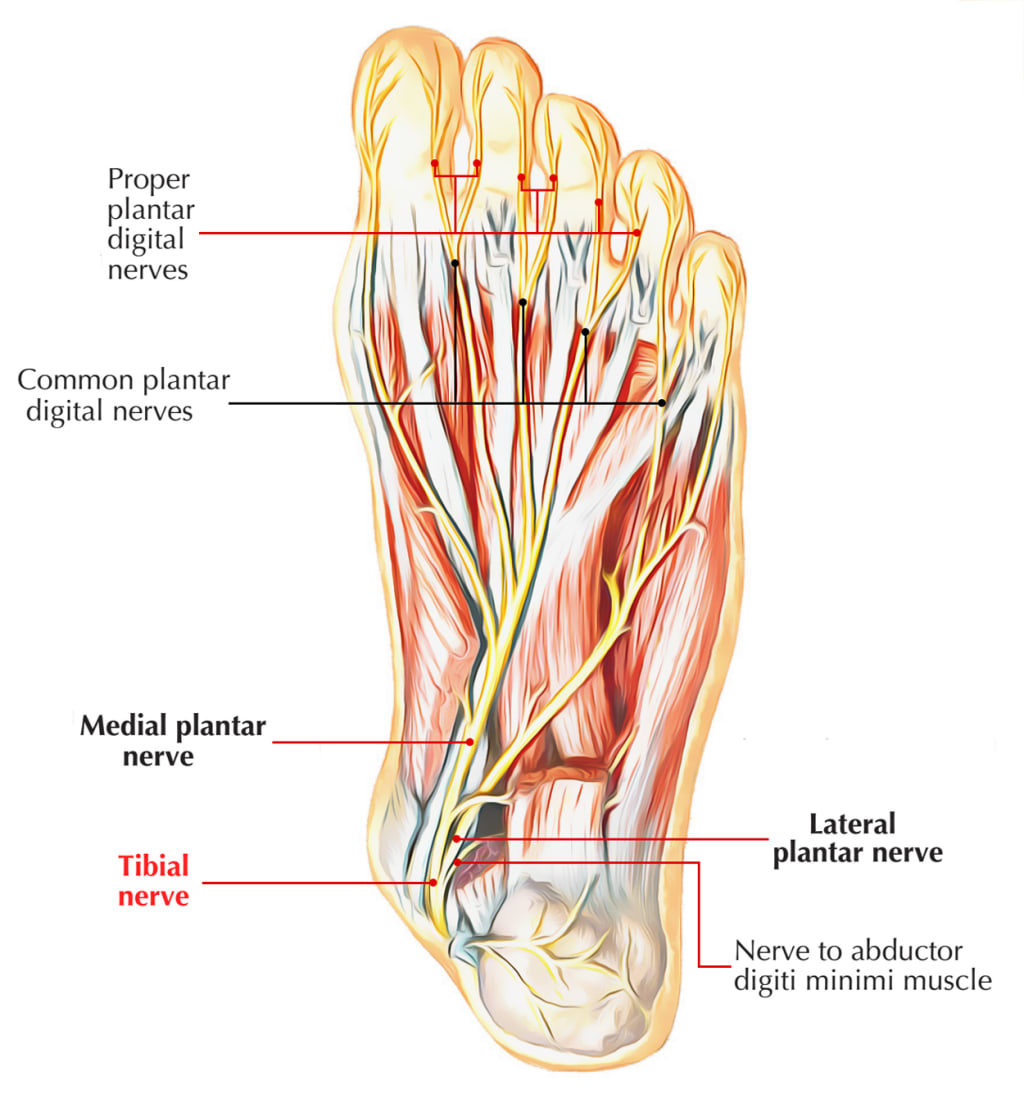
Most people don’t give much thought to their feet unless they’re uncomfortable or tired. Yet beneath the surface, the nerve endings in the feet are constantly working, sending vital information to the brain that influences balance, posture, and movement. These signals operate quietly in the background, but they play a far greater role in daily life than many people realize.
Understanding how feet nerves function can provide valuable insight into why balance sometimes feels less reliable and why simple movements may become more challenging over time.
Why the Feet Are a Sensory Powerhouse
The feet are one of the most sensory-rich parts of the body. Each foot contains thousands of nerve endings designed to detect pressure, texture, vibration, and changes in position. Every time your foot makes contact with the ground, these nerve endings send information upward through the nervous system.
This constant flow of sensory input helps the brain understand:
Where the body is positioned
How weight is distributed
Whether the surface beneath is stable or uneven
How quickly adjustments need to be made
Without this feedback, movement would feel uncertain and uncoordinated.
How Feet Nerves Support Balance
Balance is not just about strong muscles or good posture. It’s a sensory process that relies heavily on information coming from the feet. The feet nerves act as messengers, relaying real-time data that allows the body to make automatic corrections.
For example, when you step on an uneven surface, the nerve endings in your feet detect the change instantly. This triggers a response that helps you adjust before you even consciously register what happened. When this system works well, balance feels effortless.
When sensory feedback weakens, those automatic responses may slow down, making balance feel less dependable.
What Can Affect the Nerve Endings in the Feet
Several factors can influence how well the nerve endings in the feet function. Over time, reduced movement, long periods of sitting, or limited sensory variety can decrease how responsive these nerves become.
Other contributing factors may include:
Aging
Reduced foot mobility
Limited exposure to varied surfaces
Wearing footwear that minimizes sensory input
When feet nerves are less stimulated, the brain receives fewer cues about body position. This can make balance feel more challenging, even during familiar activities like walking or standing.
The Connection Between Feet and Body Awareness
The body relies on sensory input to maintain awareness of movement and position. The nerve endings in the feet are especially important because they provide constant feedback about contact with the ground.
This sensory information supports:
Postural control
Coordination
Reaction speed
Confidence in movement
When foot sensory input is reduced, the brain has to rely more heavily on other systems, such as vision. This can increase effort and reduce overall stability.
Why Balance Is a Sensory Skill
Many people think balance is something you either have or don’t have, but balance is actually a skill that depends on sensory communication. The feet play a key role in this process.
The nerve endings in the feet help the brain fine-tune movement by continuously updating it on subtle changes. When this sensory loop is active and responsive, balance becomes more adaptive and resilient.
This is why activities that promote foot awareness and gentle movement can support balance over time.
Supporting Feet Nerve Awareness Through Movement
Keeping the feet engaged doesn’t require intense workouts. In fact, gentle and consistent movement is often the most effective way to support sensory function.
Activities that encourage awareness include:
Slow, mindful walking
Standing and shifting weight deliberately
Balance-focused movements performed with attention
Simple foot mobility exercises
These practices help maintain communication between the feet and the nervous system, reinforcing balance and coordination.
The Importance of Gentle Stimulation
Gentle stimulation helps keep the nerve endings in the feet responsive. When sensory receptors are engaged regularly, the nervous system stays more alert and adaptive.
This doesn’t mean pushing the body to extremes. Small, controlled movements that challenge balance slightly can encourage sensory engagement without strain. Over time, this can support smoother, more confident movement.
Everyday Benefits of Healthy Feet Nerves
When feet nerves are supported, people often notice improvements in:
Stability while standing
Confidence when walking
Awareness of foot placement
Overall coordination
These benefits can make daily activities feel easier and more predictable, reducing hesitation and fear of losing balance.
Final Thoughts
The nerve endings in your feet are far more than passive structures — they are active participants in balance, movement, and stability. Through the signals carried by feet nerves, the brain stays informed and responsive to the environment beneath you.
By understanding the importance of this sensory system and supporting it through gentle, consistent movement, many people can improve their awareness and confidence in everyday movement. Balance isn’t just about strength — it’s about communication, and the feet play a vital role in keeping that conversation alive.
About the Creator
AhmedFitLife
Helping You Reclaim Balance, Energy & Focus Naturally
Hi, I’m Ahmed, Discover Neuro-Balance Therapy! 🌿 Reduce stress, boost focus, and restore balance with this easy, guided tool. Feel better, naturally: Neuro-Balance Therapy
Keep reading
More stories from AhmedFitLife and writers in Longevity and other communities.
What Is Proprioception? Why Body Awareness Matters More Than You Think
Balance is something most people take for granted—until it starts to feel unreliable. A moment of unsteadiness, a fear of falling, or difficulty walking on uneven ground can raise questions that many people struggle to answer. Strength alone doesn’t always explain these changes. In many cases, the missing piece is something far less talked about: proprioception.
By AhmedFitLife4 days ago in Longevity
Day 4 of Quitting
If this is how sobriety feels, maybe it’s better to go through life a little buzzed… this, along with other hits like, I want to kill myself, I wish I was dead, and I’m going to throw myself off a bridge have been the only thoughts on rotation these past few days. I promise myself that if, in a month, I still feel like this (‘this’ meaning despondent, full of rage, and simultaneously numb) I can go back to smoking. Until mid-February though? Nicotine is off the table.
By sleepy drafts11 days ago in Longevity
Global OTC Artificial Tears Market Size and Forecast, 2025–2033
Introduction The global healthcare landscape is undergoing a rapid transformation driven by self-care, accessibility, and consumer empowerment. Among the many over-the-counter (OTC) product categories gaining traction, artificial tears stand out as one of the fastest-growing segments within ophthalmic care. Once regarded as a simple comfort product, artificial tears are now central to everyday eye health routines for millions of people worldwide.
By Marthan Sir5 days ago in Longevity




Comments
There are no comments for this story
Be the first to respond and start the conversation.