
5 Ways Yoga Can Improve Your Mental Health: A Journey Through Calm & Clarity
How Yoga Can Improve Your Mental Health: Embrace Calm, Clarity, and Emotional Balance!!!

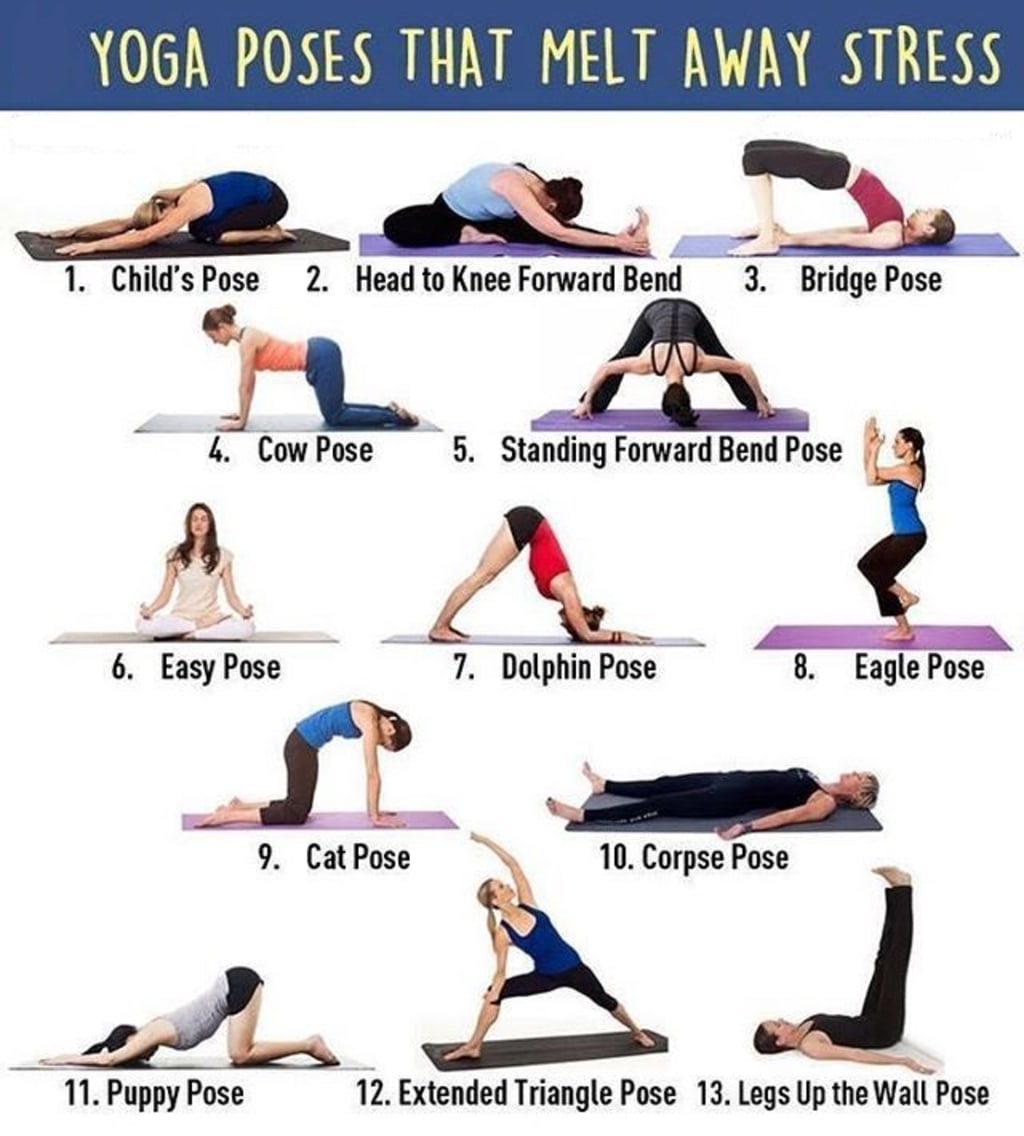
We live in a world that's constantly buzzing with noise—emails, social media notifications, to-do lists longer than the Great Wall of China, and a never-ending stream of thoughts racing through our minds. It’s no surprise that mental health has become a topic of focus for so many of us. And while there are plenty of ways to support our mental well-being, one of the most accessible and transformative practices out there is yoga.
Now, before you roll your eyes and imagine someone twisting themselves into a pretzel while chanting mantras, hear me out. Yoga isn’t just about flexibility or balancing on one leg like a flamingo (although, if that’s your thing, more power to you!!!). Yoga is a holistic practice that integrates the mind, body, and spirit, and it can be a total game-changer for your mental health.
Let’s dive into how yoga can help improve your mental health—whether you’re an experienced yogi or someone who can barely touch their toes!!!
1. Stress Reduction: The Simple Power of Breathing
One of the first things you’ll notice when you step onto a yoga mat is the emphasis on deep breathing. “Okay, so I breathe. Big deal,” you might think. But here’s the thing: we don’t breathe nearly as deeply or as consciously as we should. Most of us are shallow breathers, taking quick, shallow breaths that contribute to feelings of anxiety and stress.
Yoga, on the other hand, encourages slow, controlled breaths that activate the parasympathetic nervous system—the body’s “rest and digest” mode. This reduces the production of cortisol (the stress hormone) and helps lower blood pressure. It’s like a mini vacation for your body and mind, right in the middle of a chaotic day.
Try it: Next time you're feeling stressed, take a few slow, deep breaths in through your nose and out through your mouth. Feel the difference? It’s the first step toward finding your inner calm.
2. Mindfulness and Presence: Stop Living in the Future (or the Past)
When was the last time you were truly present? Like, really present, where you weren’t obsessing about what happened yesterday or what’s coming up tomorrow? Probably not often enough. But here’s where yoga can make a huge difference.
Yoga teaches mindfulness by focusing your attention on the present moment. As you move through each pose, you’re encouraged to pay attention to your breath, the sensations in your body, and the thoughts passing through your mind. It’s like a workout for your mind, helping you train yourself to be more focused and less distracted by external noise.
In a world that’s always pulling us in a million directions, yoga provides a chance to hit the pause button. Instead of stressing about the past or future, you learn to ground yourself in the here and now. It’s not just a physical practice—it’s mental fitness, too.

3. Emotional Balance: Yoga as a Mood Booster
Ever notice how much better you feel after a yoga class? There’s something about finishing a session that leaves you feeling lighter, more grounded, and yes, even a little bit blissful. This isn’t just because of the stretching (although that definitely helps). Yoga has been shown to boost the production of serotonin and endorphins, those lovely chemicals in our brains that make us feel happy and at peace.
Research has found that yoga can be an effective treatment for depression and anxiety, as it helps reduce symptoms by fostering a more balanced emotional state. It encourages you to let go of negative emotions and creates a space where healing can take place. The slower, more deliberate movements and focus on breathwork can actually help break the cycle of rumination that so often fuels anxiety and depression.
Even if you don’t suffer from a diagnosed mental health condition, yoga’s mood-boosting effects can help anyone cope better with the ups and downs of daily life. Think of it as a mini emotional reset button.
4. Increased Self-Awareness: Learning to Listen to Your Mind and Body
Yoga helps you connect more deeply with yourself—not just your physical body, but also your thoughts and emotions. As you hold each pose and focus on your breath, you’re given the space to tune into what’s really going on inside.
Sometimes, we get so caught up in the hustle and bustle of life that we don’t even notice how we’re feeling until we’re completely overwhelmed. Yoga teaches you to slow down and check in with yourself. “Am I holding tension in my shoulders? Is my mind racing? How do I feel right now?”
This increased self-awareness doesn’t just happen on the mat; it carries over into your everyday life. You’ll start to notice patterns in your emotions and reactions, which can help you manage stress and make healthier choices. It’s like becoming your own personal therapist (minus the couch and hourly rates).

5. Better Sleep: The Benefits of a Good Night’s Rest
Let’s talk about sleep—because, honestly, who doesn’t love a good night’s rest? But if you’re like many people, you might find yourself tossing and turning, battling insomnia, or waking up feeling like you haven’t slept at all.
Yoga can help improve the quality of your sleep by calming your nervous system and reducing stress. Gentle, restorative yoga before bed can signal to your body that it’s time to wind down, while breathing exercises can help quiet your mind. A well-rested mind is a happy mind, and getting quality sleep can have a huge impact on your overall mental health.
Pro tip: If you’re struggling with sleep, try a few minutes of gentle stretching or a short meditation before bed. It might be the game-changer you need to drift off into dreamland.
6. Bonus Point: A Little Laughter Goes a Long Way
Finally, let’s not forget that yoga is also about having fun. Sure, it’s about stretching, breathing, and finding inner peace—but it can also be a laugh. Whether it’s struggling to get into a pose without faceplanting into the mat or hearing a hilarious teacher’s instructions (ever been told to “hug your midline”?), yoga provides plenty of opportunities for joy.
Laughter is a great stress reliever, and sometimes, all we need is a good laugh to reset our mental state. Plus, yoga doesn’t take itself too seriously—after all, the goal is progress, not perfection.
Conclusion: Your Yoga Journey Awaits
Yoga isn’t a one-size-fits-all solution, and you don’t need to turn into a zen master overnight. But with consistent practice, even a few minutes each day, yoga can make a profound difference in your mental health. Whether it’s through reducing stress, improving your mood, enhancing self-awareness, or simply giving yourself permission to laugh, yoga has a lot to offer.
So, roll out your mat, breathe deeply, and take the first step on your journey to mental well-being. Your mind—and your body—will thank you.
Remember: it’s not about how well you can do a downward dog, it’s about how you feel when you’re done. And trust me, it feels pretty darn good!!!
Thank you 🙏
Future of Resilience
About the Creator
Future of Resilience
I enjoy writing book and product review, relationship and parenting blogs. I hope you enjoy my writing. Happy Reading!
Keep reading
More stories from Future of Resilience and writers in Longevity and other communities.
Unlocking Your Potential with Human Design: A Guide to Understanding and Harnessing Your Energy Type
In the world of personal growth and self-discovery, Human Design has emerged as a powerful system that combines elements of astrology, the I Ching, Kabbalah, and the chakra system to offer insights into who we truly are at a deep, energetic level. By understanding your unique Human Design, you can gain clarity on your natural strengths, decision-making processes, and how to interact more harmoniously with others.
By Future of Resilience about a year ago in Longevity
Day 4 of Quitting
If this is how sobriety feels, maybe it’s better to go through life a little buzzed… this, along with other hits like, I want to kill myself, I wish I was dead, and I’m going to throw myself off a bridge have been the only thoughts on rotation these past few days. I promise myself that if, in a month, I still feel like this (‘this’ meaning despondent, full of rage, and simultaneously numb) I can go back to smoking. Until mid-February though? Nicotine is off the table.
By sleepy drafts12 days ago in Longevity
Treatment-Resistant Depression Market Size and Forecast 2025–2033
Introduction Depression remains one of the most widespread and disabling mental health disorders worldwide. While standard antidepressants and psychotherapy bring relief to millions, a significant proportion of patients do not respond adequately to conventional treatments. This clinical reality has given rise to a distinct and rapidly evolving segment of mental healthcare: treatment-resistant depression (TRD).
By Marthan Sir6 days ago in Longevity



Comments (2)
the first "lesson" is that yoga is NOT competitive do not look at what others can do in the class you and your movement (physically and mentally) are all that matters never make comparisons to others
Good job. I have tried these poses, and that Corpse pose believe it or not is the greatest.