
Why Did the Fish Run Away in the Sea of Mumbai?
Why are the fish running away?

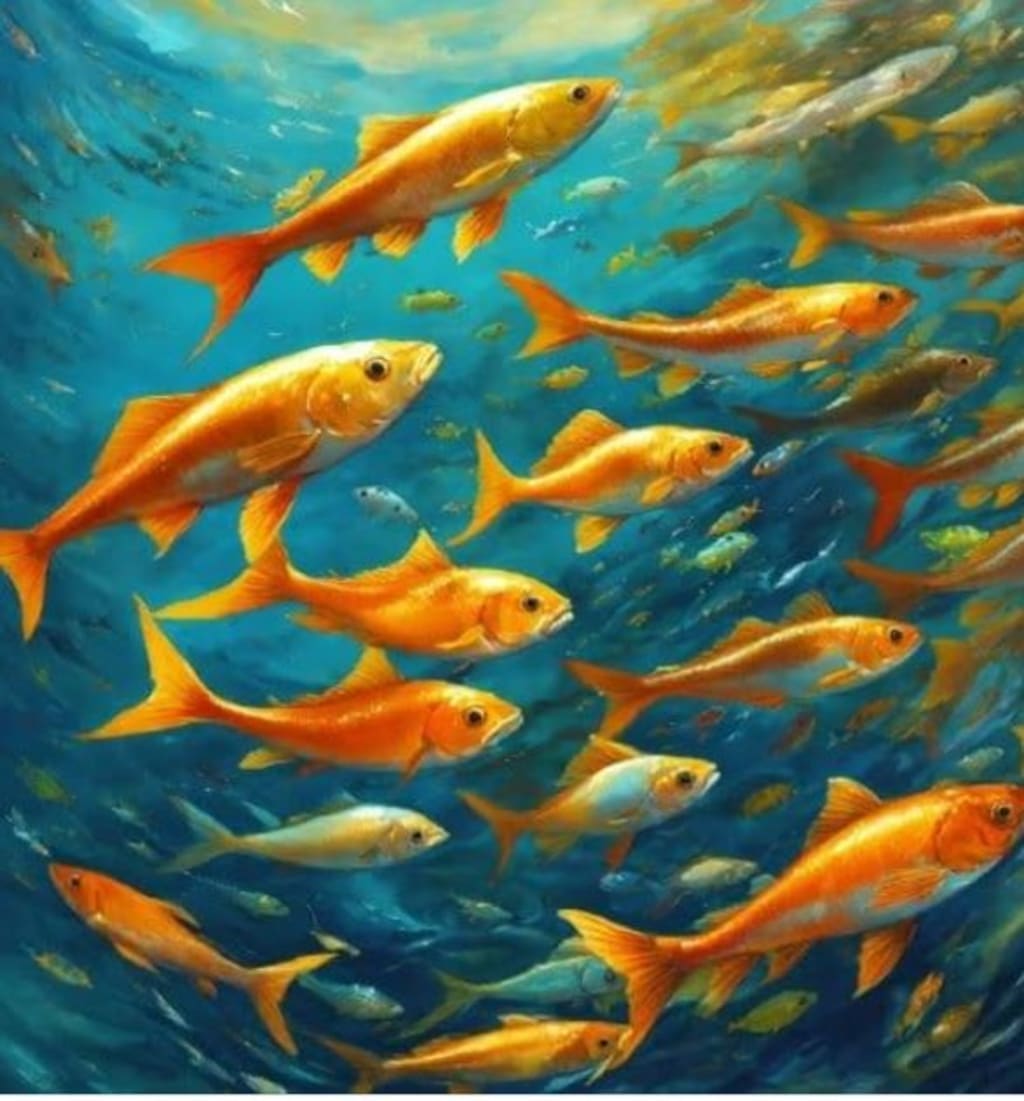
Mumbai, India’s vibrant metropolis, has long been celebrated for its bustling cityscape and its lifeline: the Arabian Sea. Beyond its aesthetic allure, the sea has historically been a cradle of biodiversity and a vital source of livelihood for millions. However, over recent years, an alarming trend has surfaced—the noticeable decline in fish populations near Mumbai’s coastline. Fisherfolk, marine biologists, and environmentalists are increasingly asking the same poignant question: Why are the fish running away?
1. Overfishing: Taking More Than Nature Can Give
The first and most obvious culprit is overfishing. Mumbai’s seafood demand has grown exponentially, driven by the city’s burgeoning population and culinary culture. To meet this demand, fishing practices have intensified, often with little regard for sustainability.
Mechanized trawlers and large fishing nets capture enormous quantities of fish, including juvenile ones that haven’t had a chance to reproduce. This unsustainable exploitation disrupts the reproductive cycle of fish populations, making it harder for species to replenish themselves. Over time, this leads to a dramatic decline in fish stocks, pushing them farther out to sea or to other, less exploited areas.
2. Pollution: Turning the Sea Into a Toxic Soup
Mumbai’s sea is battling a formidable foe: pollution. The city’s rapid urbanization and industrial growth have turned the Arabian Sea into a dumping ground for untreated sewage, industrial waste, and plastic.
Chemical Pollutants: Factories along the coastline discharge untreated effluents containing heavy metals and harmful chemicals into the sea. These toxins contaminate the water, making it inhospitable for marine life.
Microplastics: Tiny plastic particles, often invisible to the naked eye, have invaded marine ecosystems. Fish inadvertently ingest these particles, which accumulate in their bodies, causing health issues and reducing their ability to reproduce.
Oil Spills: Occasional oil spills from ships and tankers exacerbate the problem, coating the water surface and suffocating marine organisms.
The cumulative effect of these pollutants creates an environment so toxic that fish are either forced to migrate or face mass mortality.
3. Climate Change: A Warming Threat
The Arabian Sea is warming at an unprecedented rate, and Mumbai’s coastal waters are no exception. Rising sea temperatures pose a significant threat to marine ecosystems. Fish are highly sensitive to temperature changes, as these affect their metabolism, feeding patterns, and reproductive cycles.
Species that thrive in cooler waters are migrating to deeper, colder regions to escape the heat. Moreover, the warming sea disrupts the growth of plankton—the primary food source for many fish species. This domino effect leads to food scarcity, forcing fish to abandon their traditional habitats.
4. Habitat Destruction: Losing Marine Nurseries
Mumbai’s coastline has undergone drastic changes due to land reclamation, urban expansion, and infrastructure projects. Mangroves, coral reefs, and seagrass beds—essential habitats for marine life—have been destroyed or severely degraded.
Mangroves: Often referred to as the nurseries of the sea, mangroves provide shelter and breeding grounds for fish and other marine creatures. Their destruction leaves juvenile fish vulnerable to predators and reduces spawning areas.
Coral Reefs: Though not as prominent in Mumbai’s waters, the few coral reef patches that exist are vital for biodiversity. Coral bleaching, driven by pollution and rising temperatures, further diminishes their ability to support marine life.
5. Noise Pollution: Disturbing the Deep
Mumbai’s bustling ports, ferry services, and industrial activities contribute to underwater noise pollution. While this factor is often overlooked, it has a profound impact on marine life.
Fish rely on sound for communication, navigation, and detecting predators. Excessive noise from ship engines, construction activities, and sonar devices interferes with these functions, causing stress and disorientation. This disruption can drive fish away from noisy areas in search of quieter, safer waters.
6. Illegal Fishing Practices: A Shadowy Threat
Illegal fishing practices, such as using explosives or toxic chemicals, are still prevalent in some areas. These methods not only kill fish indiscriminately but also destroy marine habitats, leaving long-lasting scars on the ecosystem. The aftermath of such activities often includes barren patches of ocean where life struggles to recover.
Impact on Fisherfolk and Local Communities
The decline in fish populations has far-reaching consequences for Mumbai’s coastal communities. Thousands of fisherfolk depend on daily catches to sustain their livelihoods. With fewer fish near the shores, many are forced to venture farther into the sea, incurring higher costs for fuel and equipment. The economic strain has pushed some families to abandon traditional fishing altogether and seek alternative livelihoods.
For consumers, the scarcity of local fish has driven up seafood prices, making it less accessible to the average Mumbaikar. Moreover, the decline in fish stocks disrupts the cultural fabric of the city, where seafood is an integral part of culinary traditions.
Broader Environmental Implications
The exodus of fish from Mumbai’s sea is a symptom of a deeper environmental crisis. As marine ecosystems collapse, the balance of the food chain is disrupted, affecting other species, including seabirds and larger marine predators. The degradation of coastal waters also reduces their ability to act as carbon sinks, exacerbating the impacts of climate change.
What Can Be Done?
While the challenges are daunting, there is hope. A multi-pronged approach involving government action, community participation, and international cooperation can help restore Mumbai’s marine ecosystem. Here’s how:
1. Promote Sustainable Fishing: Enforcing stricter fishing regulations, such as quotas and seasonal bans, can allow fish populations to recover. Encouraging traditional, eco-friendly fishing methods can also make a significant difference.
2. Combat Pollution: Upgrading sewage treatment facilities, regulating industrial waste disposal, and curbing plastic pollution are critical steps. Initiatives like coastal clean-up drives and banning single-use plastics can help mitigate the problem.
3. Protect Marine Habitats: Replanting mangroves, restoring coral reefs, and creating marine protected areas can provide safe spaces for marine life to thrive.
4. Raise Awareness: Educating citizens about the importance of sustainable seafood choices and responsible waste disposal can foster a collective sense of responsibility for marine conservation.
5. Support Climate Action: Reducing greenhouse gas emissions, investing in renewable energy, and building climate resilience can mitigate the impacts of global warming on marine ecosystems.
Conclusion: A Wake-Up Call
The plight of fish in Mumbai’s sea is a stark reminder of humanity’s impact on nature. If immediate steps are not taken, the once-thriving marine ecosystem may become a barren expanse. However, with concerted efforts, it is possible to turn the tide.
Mumbai’s sea has long been a source of sustenance and inspiration. It’s time to give back—to protect, preserve, and rejuvenate this vital resource. Only then can we ensure that the fish return, bringing life and vitality back to the waters of Mumbai.
About the Creator
Kamran Sunan
News Protal
Keep reading
More stories from Kamran Sunan and writers in History and other communities.
Once You Eat Malida Made from Millet Roti
Indian cuisine is a treasure trove of flavors, textures, and culinary traditions. Among its countless offerings, churma has been a beloved dish in North India, often served alongside dal bati. But have you ever tasted malida made from millet roti? If not, you’re missing out on a rustic delicacy that’s as nutritious as it is delicious. Once you experience the earthy, wholesome taste of malida, churma might just become a memory.
By Kamran Sunanabout a year ago in History
Brosley Punch — The Strike That Shook Fate
Brosley was never taught how to throw a punch. He learned it the hard way—through hunger, through survival, through a childhood spent on a world that showed no mercy. Long before the universe would whisper his name in fear, Brosley was just a boy standing on cracked red stone, staring at a sky that never answered his questions.
By The best writer 4 days ago in History
How I Learned That Aircraft Structures Are as Critical as Engines
When I first started studying aviation, I believed that engines and avionics defined an aircraft’s reliability. Over time, as I explored aerospace history and manufacturing records, I realized how incomplete that understanding was. Aircraft safety does not depend solely on thrust or navigation systems. It is deeply rooted in structural engineering, certified manufacturing, and the disciplined production of components that passengers never see.
By Beckett Dowhan5 days ago in History


Comments
There are no comments for this story
Be the first to respond and start the conversation.