
The Untold Story of the 6888th Central Postal Directory Battalion
Discover How This All-Black, All-Female Battalion Defied Odds and Delivered Victory in WWII

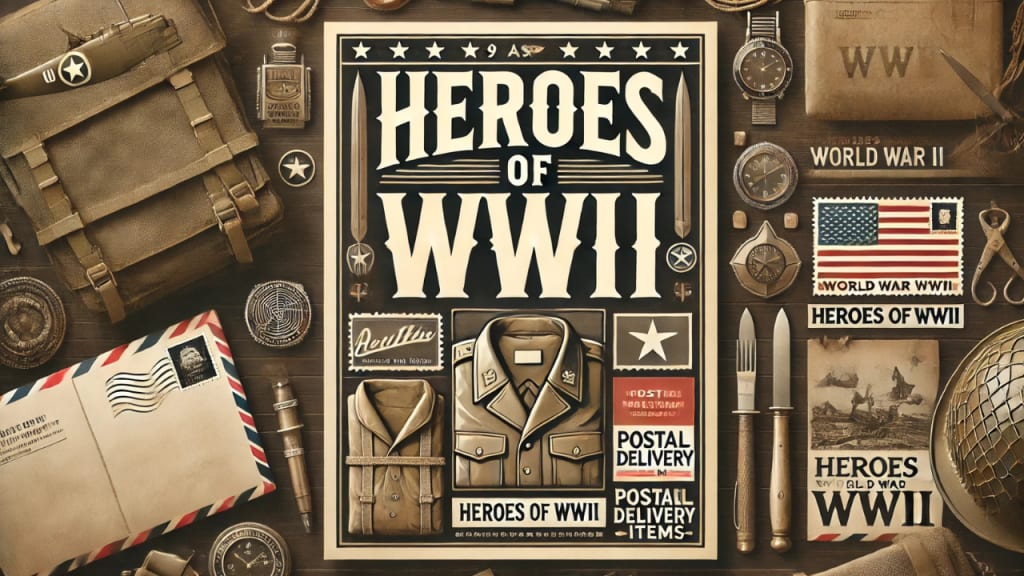
In the chaos of World War II, letters were more than just paper and ink—they were lifelines. A letter from home could boost morale, heal hearts, and remind soldiers why they were fighting. But by 1945, a massive backlog of undelivered mail—over 17 million pieces—threatened to sever that vital connection. That's when the 6888th Central Postal Directory Battalion, a group of African American women, stepped in and their mission was clear: sort the mess, deliver hope, and prove that nothing, not even systemic racism, could stand in their way.
Known as the “Six Triple Eight,” this battalion didn’t just organize mail—they made history. Let’s dive into the story of these trailblazers who showed the world what determination, teamwork, and a touch of sass can achieve.
The Six Triple Eight | Official Trailer | Netflix
The Origins: The Need for Speed (and Letters)
As World War II raged on, the U.S. military faced a growing problem. Millions of letters were stuck in warehouses across Europe, creating chaos for soldiers waiting desperately for news from loved ones. It wasn’t just a logistical nightmare—it was a morale crisis. The military needed a solution, and fast.
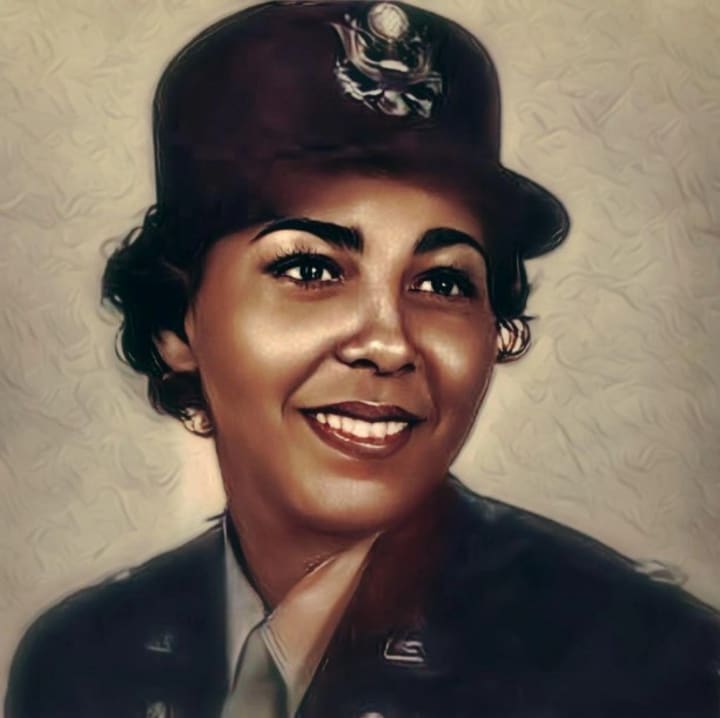
The answer came in an unlikely form: an all-Black, all-female battalion, led by Major Charity Adams, the first African American woman commissioned as an officer in the Women’s Army Corps (WAC). With the deck stacked against them—racial segregation, gender discrimination, and the impossible task of sorting millions of letters—the 6888th headed to Europe with one motto: “No Mail, Low Morale.”
The Mission: Turning Chaos into Order
In early 1945, the Six Triple Eight arrived in Birmingham, England, where they were greeted not with fanfare but with skepticism. Many questioned whether a group of Black women could handle such a monumental task. Spoiler alert: they absolutely could—and did.
Faced with a backlog of 17 million letters piled in warehouses that looked more like junkyards, the women worked tirelessly in three shifts, 24 hours a day. Their mission was to organize the mail, identify soldiers using just fragments of information, and get letters to the front lines in record time.
Using a meticulous system of tracking names—many of which were similar or misspelled—they cleared the backlog in just three months, half the time expected. If there were a gold medal for logistics, the 6888th would’ve taken it home.
Breaking Barriers: Women of Resilience
The Six Triple Eight didn’t just battle stacks of mail—they also fought against the entrenched racism and sexism of the era. As the only African American WAC unit to serve overseas during the war, they faced segregation even in the military.
While stationed in England, they were assigned separate living quarters and mess halls from their white counterparts. But instead of letting discrimination weigh them down, they focused on their mission. Their resilience sent a clear message: the color of their skin had no bearing on their abilities or patriotism.
The Trailblazing 6888th Battalion of WWII | HistoryTalks
Life in the Battalion: Camaraderie Amid the Chaos
Despite the challenges, life in the 6888th wasn’t all work and no play. The women formed close bonds, finding joy and humor in the small things. Whether it was sharing stories from home, singing songs, or simply laughing at the absurdity of sorting letters addressed to “Johnny in the Army,” they created a sisterhood that carried them through tough times.
One of their quirkiest traditions? Naming the "most outrageous" addresses they encountered. Imagine trying to deliver a letter to "My Boo in Europe." Yet somehow, they managed to find recipients with astonishing accuracy.
The Legacy of the Six Triple Eight
Charity Adams: The Six Triple Eight
After Birmingham, the battalion was sent to Rouen, France, and later to Paris, where they continued clearing backlogs and bringing order to chaos. By the end of their service, they had processed an estimated 17 million pieces of mail and proven that efficiency knows no racial or gender boundaries.
But here’s the kicker: when the war ended, the women of the 6888th returned home to little recognition. Their extraordinary contributions went largely unacknowledged for decades, overshadowed by the broader narrative of World War II.
Finally Getting Their Due
It wasn’t until recent years that the Six Triple Eight received the recognition they deserved. In 2018, the unit was honored with a monument at the Buffalo Soldier Military Park in Fort Leavenworth, Kansas. And in 2022, the women were awarded the Congressional Gold Medal, one of the highest civilian honors in the United States.
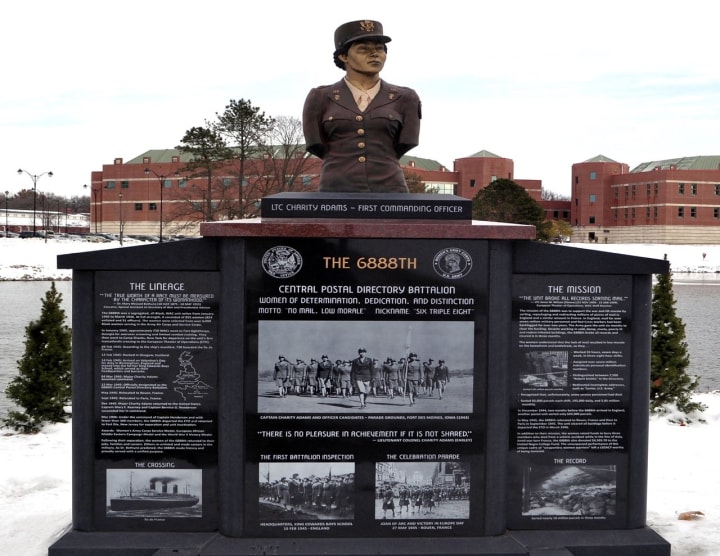
Major Charity Adams and her team didn’t just deliver mail—they delivered a lesson in perseverance and equality that echoes through history.
Why Their Story Matters Today
The story of the 6888th Central Postal Directory Battalion isn’t just about mail—it’s about breaking barriers, shattering stereotypes, and proving that teamwork can overcome even the toughest challenges. It’s a reminder that true heroes often work behind the scenes, out of the spotlight, but their contributions are no less vital.
So next time you complain about a delayed Amazon package, spare a thought for the women who sorted 17 million letters in the middle of a warzone, armed with nothing but grit, determination, and a fierce sense of purpose.
The Six Triple Eight didn’t just deliver letters—they delivered hope, proving that even in the darkest times, connection and camaraderie can light the way.
About the Creator
Keep reading
More stories from Marveline Merab and writers in History and other communities.
Why algorithms are called algorithms
If you’ve ever typed something into Google, relied on social media feeds, or cursed at your phone’s autocorrect for changing “I’m hungry” to “I’m Hungary”—you can thank (or blame) algorithms. Yes, these invisible lines of logic run our modern world, determining everything from the best route to work to which cat video you really need to see next.
By Marveline Merababout a year ago in History
3 Completely Normal Jobs With Disturbing Hidden Histories
Every job has a backstory. Some are boring, some are inspiring, and some are better left buried. While modern versions of certain professions look harmless—sometimes even respectable—their origins tell a much darker story.
By Enoch Sagini3 days ago in History
Albert Einstein: The Mind That Changed the Universe
Albert Einstein was not born a legend. When he entered the world on March 14, 1879, in the quiet German city of Ulm, nothing about his early life suggested that he would one day transform science forever. In fact, his beginnings were remarkably ordinary—and in some ways, difficult. As a child, Einstein spoke slowly, so slowly that his parents worried something might be wrong. Teachers considered him distracted and stubborn, a boy who questioned too much and obeyed too little. Yet hidden beneath that quiet exterior was a restless, powerful curiosity that would later reshape the universe itself.
By The best writer 2 days ago in History


Comments
There are no comments for this story
Be the first to respond and start the conversation.