
The Role of Spies in Major Historical Events
From Ancient Times to the Cold War

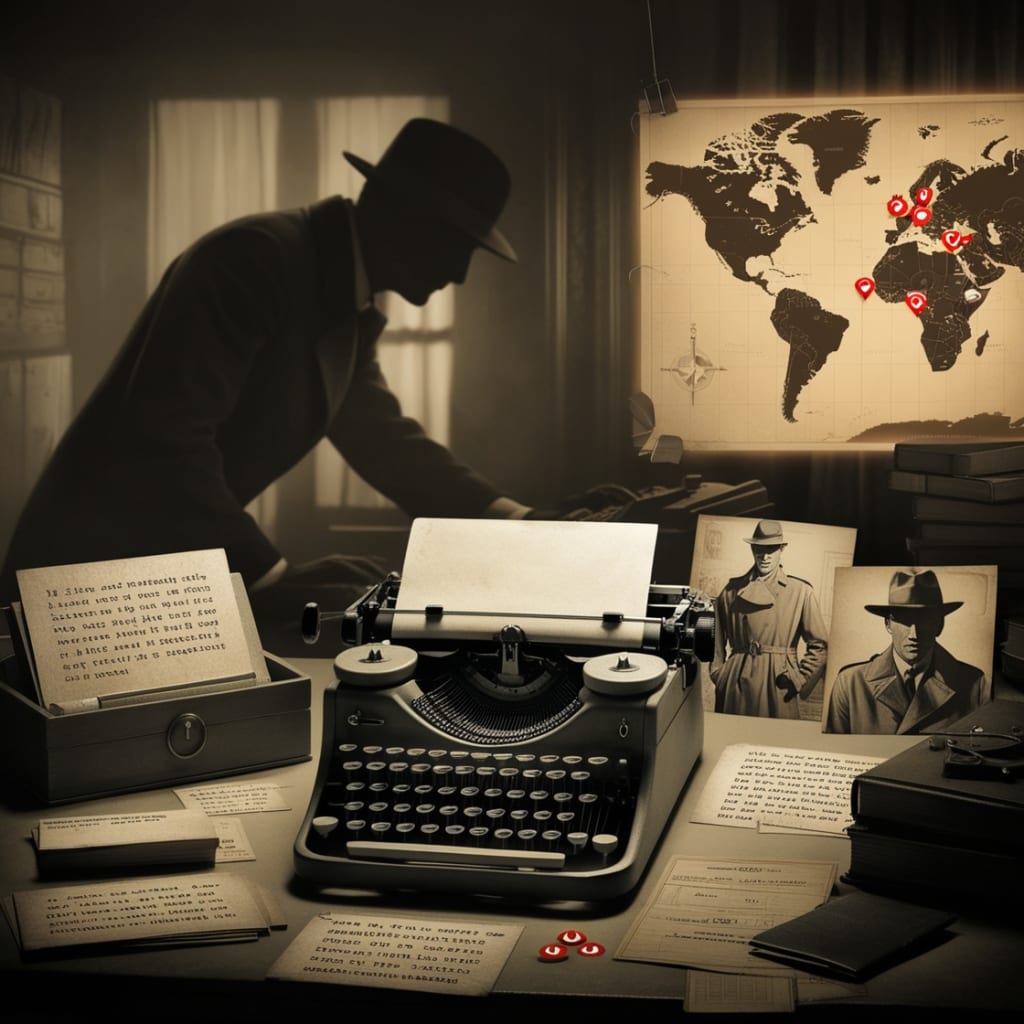
Spies have always occupied a shadowy corner of history—operating behind the scenes, shaping the course of events in ways that often remain hidden from public view. The role of spies in history is complex and multifaceted, blending courage, deception, intelligence, and sometimes betrayal. Though their actions rarely make the headlines in the way generals or politicians do, spies have been instrumental in turning the tides of wars, influencing political decisions, and protecting national security. Understanding their impact requires peeling back layers of secrecy and exploring stories that reveal the true power of espionage throughout major historical events.
From ancient times to the modern era, spying has been an essential tool of statecraft. Sun Tzu, the ancient Chinese military strategist, famously declared in The Art of War that “all warfare is based on deception,” highlighting how intelligence gathering was considered vital to victory. Early examples include the use of spies during the Roman Empire, where networks of informants provided critical information about enemies and political rivals. But it was during the major conflicts of the 20th century that the role of spies in history took on new dimensions, shaping the outcomes of world wars and the Cold War with extraordinary consequences.
World War I was one of the first large-scale conflicts to showcase modern espionage techniques. Governments invested heavily in espionage to gain tactical advantages. Perhaps the most famous spy of this era was Mata Hari, an exotic dancer accused of spying for Germany. While her true role remains debated, her story symbolized the secretive and dangerous nature of intelligence work. More impactful were the codebreakers and signal interceptors, such as those involved in deciphering the Zimmerman Telegram, which helped draw the United States into the war. This illustrates how spies and intelligence operatives could influence diplomatic and military strategies far beyond the battlefield.
The significance of spies escalated during World War II, often called the “golden age” of espionage. Here, the role of spies in history became critical to the Allied victory. Figures such as the British double agent Juan Pujol García, known as “Garbo,” famously fed false information to Nazi Germany, misleading Hitler about the location of the D-Day invasion. This deception was vital in ensuring the success of the Normandy landings and saving countless lives. On the other side, the Soviet Union’s espionage networks penetrated both Allied and Axis powers, gathering crucial intelligence that shaped postwar power balances.
Another extraordinary story is that of the American spy Virginia Hall, one of the most successful female agents working with the Office of Strategic Services (OSS). Despite having a prosthetic leg, she operated behind enemy lines in Nazi-occupied France, organizing resistance networks and passing intelligence to the Allies. Her courage and resourcefulness exemplify the human element behind the role of spies in history—a mix of bravery, sacrifice, and skill that often goes unrecognized.
The Cold War era ushered in a new phase in espionage, driven by ideological rivalry between the United States and the Soviet Union. Spy agencies like the CIA and the KGB became key players in a global chess game. The role of spies in history during this period extended beyond battlefield tactics to political manipulation, covert operations, and nuclear deterrence. The revelation of spies such as Aldrich Ames and Robert Hanssen, who betrayed their countries, shocked the world and highlighted the high stakes involved in intelligence work. At the same time, espionage became entwined with technology, leading to the development of satellites, wiretaps, and cyber spying—tools that continue to evolve today.
Spies have also played surprising roles in non-military events. During the Cuban Missile Crisis, for example, the discovery of Soviet missile sites in Cuba was made possible through reconnaissance flights and intelligence gathered by spy networks. This information was crucial in the negotiations that avoided nuclear war. Similarly, espionage during the Gulf War helped coalition forces anticipate Iraqi movements and strategies. These examples underscore how the role of spies in history transcends war alone, influencing diplomacy, national security, and international relations.
Beyond the famous spies and high-profile events, countless unsung heroes and anonymous operatives have shaped history in ways that remain secret. Espionage requires patience, discretion, and often a willingness to live in perpetual danger. The impact of spies is rarely linear or immediately visible. Instead, it unfolds over years or decades, as intelligence gathered shapes policy decisions and military strategies that alter the course of nations.
In the modern world, the role of spies in history continues to evolve. Cyber espionage, surveillance, and data hacking are the new frontiers. Governments face new challenges as information flows faster and leaks become harder to contain. Yet, the fundamental human elements—trust, deception, courage, and fear—remain unchanged. The legacy of spies reminds us that history is not just made by those in the spotlight but also by those working in shadows.
In conclusion, the role of spies in history is undeniable and profound. From ancient battlefields to modern digital warfare, spies have influenced major historical events in ways both dramatic and subtle. Their stories reveal the complicated nature of intelligence work—a blend of danger, morality, and necessity. Recognizing their contributions helps us appreciate the hidden forces that shape our world, reminding us that history is often written not only by the victors but also by those who gather the secrets behind the scenes.
About the Creator
Muhammad Asim
Welcome to my space. I share engaging stories across topics like lifestyle, science, tech, and motivation—content that informs, inspires, and connects people from around the world. Let’s explore together!
Keep reading
More stories from Muhammad Asim and writers in History and other communities.
The True Story Behind the Trojan Horse
The story of the Trojan Horse is one of the most famous tales from ancient mythology, often associated with cunning, deception, and the ultimate downfall of the city of Troy. This tale, which has been passed down through centuries, combines history, legend, and myth to reveal a story that has captivated imaginations and inspired countless works of literature and art. But what is the true story behind the Trojan Horse? Was it a real historical event, or simply a metaphorical tale woven by ancient storytellers?
By Muhammad Asim7 months ago in History
Power's Sake
When it comes to gaining power, bad people use it to gain more They never gain power to do something with it, they gain power to have it, relish in it, double it down on itself so it grows exponentially and never goes anywhere. Even if you see the people in power commit an atrocity, that is never the true goal. It is a deplorable action for sure but the action itself usually doesn't matter it's the outcome.
By Donny Foley5 days ago in History
Military Strength of Alexander the Great and the Chola Empire: A Historical Comparison
Though separated by more than a thousand years and operating in vastly different geographical and cultural contexts, both forces achieved extraordinary success through discipline, innovation, and strategic brilliance. This article explores the history, composition, size, organization, and military strength of Alexander’s Macedonian army and the Chola military, highlighting how each became a dominant power of its era.
By Say the truth 4 days ago in History


Comments
There are no comments for this story
Be the first to respond and start the conversation.