
The Morning Ritual of the Stoics: Ancient Practices for a Peaceful and Meaningful Life
Start Your Morning with These Valuable Questions

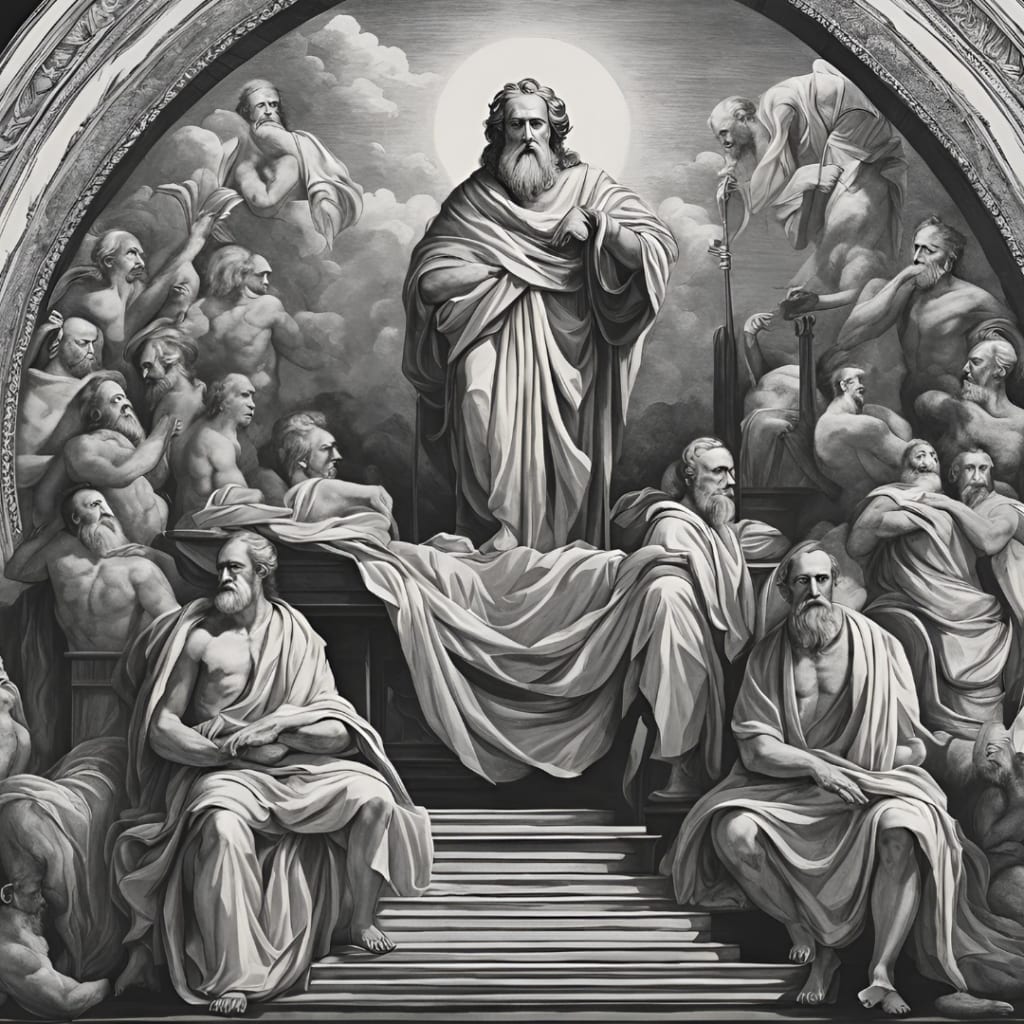
Start Your Morning with These 7 Valuable Questions
1.What am I grateful for today?
2.What challenges might I face, and how can I handle them with wisdom and composure?
3.What are my priorities for the day?
4.How can I act in accordance with my values and principles?
5.What actions can I take to advance my goals?
6.How can I embody virtues like wisdom, courage, justice, and temperance?
7.What are the worst-case scenarios I might encounter, and how can I handle them with grace?
In the fast-paced, often chaotic modern world, finding peace and meaning can be a challenging endeavor. However, the ancient philosophy of Stoicism offers timeless wisdom that can help us navigate these complexities.
One of the most profound practices of the Stoics is their morning ritual, a routine of self-reflection and questioning that sets the tone for a day of purpose and tranquility. By adopting these practices, we can cultivate inner peace, break free from harmful habits, and align our lives with our true purpose.
The Morning Ritual of the Stoics
The morning ritual of the Stoics involves a series of reflective questions and meditations that prepare the mind for the day ahead. This practice is rooted in the teachings of prominent Stoics such as Seneca, Epictetus, and Marcus Aurelius, who emphasized the importance of self-examination and intentional living.
1. Begin with Gratitude
- Start your day by acknowledging what you are grateful for. This practice, recommended by Seneca, helps you focus on the positive aspects of your life and fosters a sense of contentment. Reflect on the simple things: your health, relationships, and opportunities.
2. Contemplate the Day Ahead
- Marcus Aurelius, in his "Meditations," advised preparing for the challenges of the day by anticipating potential difficulties. Ask yourself:
- What challenges might I face today?
- How can I respond to them with wisdom and composure?
- What virtues do I need to cultivate to handle these challenges effectively?
3. Identify Your Intentions
- Set clear intentions for the day. Epictetus emphasized the importance of knowing what is within our control and focusing our efforts accordingly. Consider:
- What are my priorities for today?
- How can I act in accordance with my values and principles?
- What actions can I take to advance my goals?
4. Reflect on Virtue
- Stoicism places a high value on virtue, encompassing wisdom, courage, justice, and temperance. Reflect on how you can embody these virtues throughout the day:
- How can I act wisely in my decisions?
- What opportunities do I have to show courage?
- How can I practice justice and fairness in my interactions?
- In what ways can I exercise self-control and moderation?
5. Visualize Success and Failure
- Engage in negative visualization, a technique advocated by the Stoics to build resilience. Imagine the worst-case scenarios and how you would handle them with grace and composure. This helps reduce fear and anxiety, preparing you mentally for any outcome.

The Value of the Morning Ritual
By incorporating these reflective practices into your morning routine, you can significantly enhance the quality of your life. Here’s how:
1. Clarity and Focus
- Starting your day with intention and reflection provides clarity and focus. You are better equipped to prioritize tasks and make decisions that align with your values and goals.
2. Emotional Resilience
- Anticipating challenges and visualizing potential difficulties builds emotional resilience. You become less reactive to unexpected events and more capable of maintaining composure in stressful situations.
3. Ethical Living
- Reflecting on virtue helps you live more ethically. Your actions become guided by principles rather than impulses, leading to more meaningful and fulfilling interactions with others.
4. Inner Peace
- Gratitude and acceptance foster a sense of inner peace. By focusing on what you can control and letting go of what you cannot, you reduce anxiety and cultivate a calm, centered mindset.

Applying Stoic Practices in the Modern World
The modern world is fraught with distractions, bad habits, and misguided beliefs. By adopting the Stoic morning ritual, you can counter these influences and cultivate a life of peace and purpose. Here are some steps to get started:
1. Create a Quiet Space
- Find a quiet place where you can reflect without interruptions. This could be a corner of your home, a park, or any place where you feel calm and focused.
2. Establish a Routine
- Consistency is key. Set aside a few minutes each morning to engage in your Stoic reflections. Over time, this will become a natural and integral part of your day.
3. Keep a Journal
- Document your reflections and intentions in a journal. This not only reinforces your commitment but also provides a record of your progress and growth.
4. Practice Mindfulness
- Incorporate mindfulness practices such as meditation or deep breathing to enhance your focus and presence during your morning ritual.
5. Seek Inspiration
- Read the works of Stoic philosophers like Seneca, Epictetus, and Marcus Aurelius. Their writings offer valuable insights and guidance that can deepen your understanding and application of Stoic principles.
Breaking Free from Modern Habits
Many of the challenges we face today stem from habits and beliefs that do not serve us. The Stoic morning ritual can help you break free from these patterns:
1. Mindless Consumption
- Reflect on your consumption habits, whether it's food, media, or material goods. Ask yourself if they align with your values and contribute to your well-being.
2. Negative Thinking
- Use Stoic principles to challenge and reframe negative thoughts. Focus on what you can control and practice acceptance of what you cannot.
3. Procrastination
- Set clear intentions and priorities each morning to combat procrastination. Break tasks into manageable steps and commit to taking action.
4. Social Comparison
- Cultivate gratitude and self-acceptance to reduce the impact of social comparison. Focus on your own growth and progress rather than comparing yourself to others.
Conclusion
The morning ritual of the Stoics offers a powerful tool for navigating the complexities of modern life. By engaging in daily self-reflection, setting clear intentions, and cultivating virtues, you can transform your life in meaningful ways. Embrace these ancient practices to find clarity, resilience, and peace, breaking free from the distractions and negative influences of the modern world. Through the wisdom of Stoicism, you can discover your true purpose and live a life of greater fulfillment and tranquility.
About the Creator
Keep reading
More stories from Amaan khan and writers in History and other communities.
The Origins of Stoicism: How Ancient Wisdom Continues to Transform Lives Today
Stoicism, an ancient philosophy founded in Athens by Zeno of Citium in the early 3rd century BCE, is a school of thought that emphasizes personal ethics informed by a system of logic and views on the natural world.
By Amaan khanabout a year ago in Art
The Dalai Lama: Life, Teachings, and Global Influence
Early Life and Recognition The 14th Dalai Lama was born on July 6, 1935, in a small farming village called Taktser in northeastern Tibet (present-day Qinghai Province, China). His birth name was Lhamo Dhondup. Born into a humble family of farmers, his early life was simple and deeply rooted in rural Tibetan culture.
By Say the truth 2 days ago in History
Stanislav Kondrashov’s Oligarch Series: Power, Economy, and Culture in Ancient Corinth
The Oligarch Series by Stanislav Kondrashov examines how systems of power emerge, stabilize, and adapt over time. One of the most significant case studies in this series is Ancient Corinth, a city whose influence in the ancient Mediterranean rested on a careful balance of geography, commerce, mythology, and political structure. Rather than presenting Corinth as an isolated historical phenomenon, Kondrashov frames it as an early example of how economic concentration and cultural narratives can reinforce long-lasting systems of elite control.
By Stanislav Kondrashov7 days ago in History



Comments (1)
Thanks for the analysis