
The Origins of Stoicism: How Ancient Wisdom Continues to Transform Lives Today
4 stoic tips that can change lives

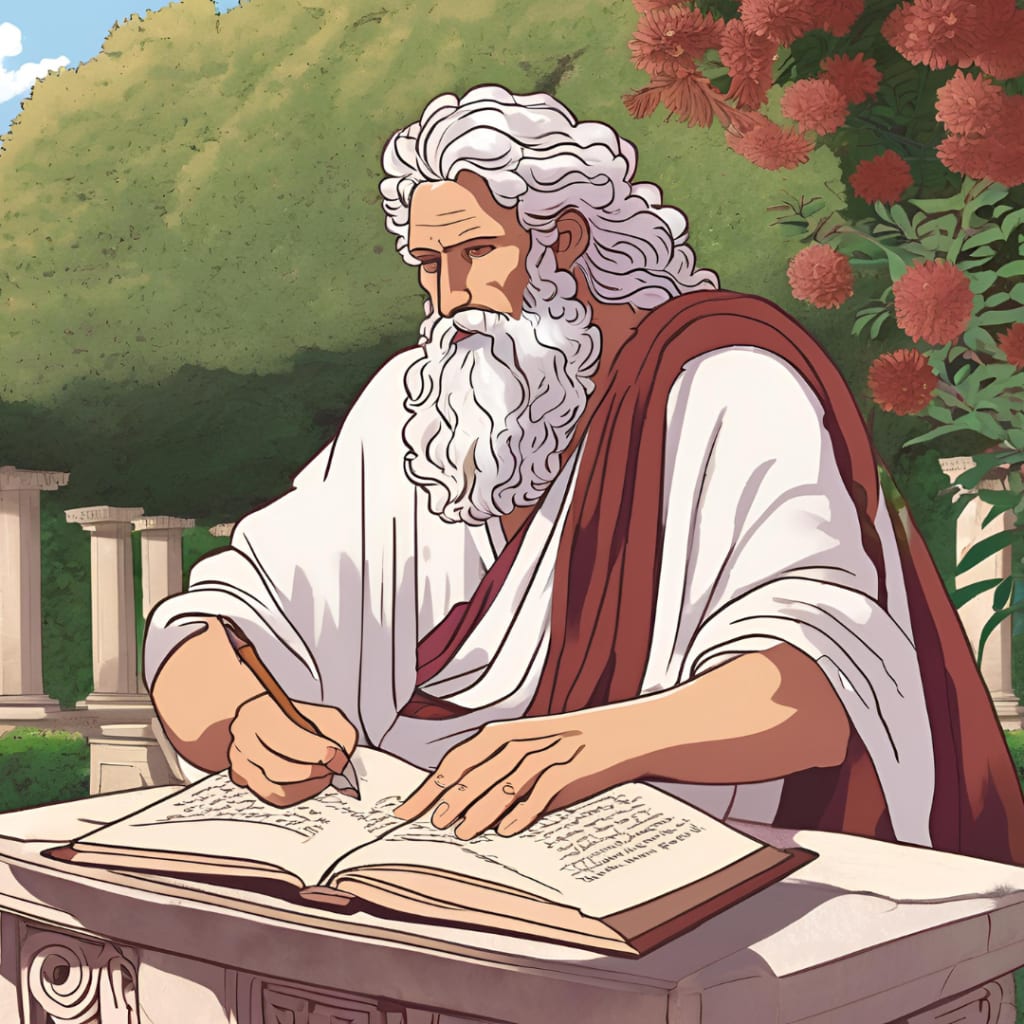
Stoicism, an ancient philosophy founded in Athens by Zeno of Citium in the early 3rd century BCE, is a school of thought that emphasizes personal ethics informed by a system of logic and views on the natural world.
Over the centuries, Stoicism has evolved and adapted, yet its core principles remain relevant, continuing to influence and transform lives around the globe.
The Birth of Stoicism
The story of Stoicism begins with Zeno of Citium, a merchant from Cyprus who turned to philosophy after a shipwreck left him stranded in Athens.
Inspired by Socratic teachings, Zeno studied under various philosophers before establishing his own school at the Stoa Poikile, or Painted Porch, from which Stoicism derives its name.
Zeno's teachings were built on the belief that virtue, the highest good, is based on knowledge, and that the wise live in harmony with the divine Reason (also identified with Fate and Nature) that governs the universe.
Key early figures in Stoicism included Cleanthes, who succeeded Zeno, and Chrysippus, who systematized and expanded the doctrine.
Core Principles of Stoicism
Stoicism is founded on a few key principles:
1. Virtue is the Highest Good: Virtue consists of wisdom, courage, justice, and temperance. The Stoics believed that living virtuously is both necessary and sufficient for happiness.
2. Living According to Nature: This means understanding the natural order of the world and living in accordance with it. Human nature is rational, and thus living in harmony with reason is essential.
3. Control and Acceptance: Stoics distinguish between what we can control and what we cannot. We can control our own actions and responses, but not external events. Acceptance of the latter is crucial to maintaining tranquility.
4. Focus on the Present: The past is unchangeable, and the future is uncertain. Therefore, Stoics emphasize focusing on the present moment.
The Spread and Influence of Stoicism
Stoicism spread throughout the Roman Empire, profoundly influencing many notable figures, including:
- Seneca the Younger: A Roman statesman and playwright whose essays and letters provided practical advice on how to apply Stoic principles to everyday life.
- Epictetus: A former slave whose teachings, recorded by his student Arrian, emphasized the power of the individual's will and the importance of inner freedom.
- Marcus Aurelius: The Roman emperor whose "Meditations" offer a personal reflection on Stoic philosophy and remain a central text in Stoic literature.
Stoicism in Practice: Transforming Lives
Stoicism has had a lasting impact, not only in ancient times but also in the modern world. Its principles offer a framework for personal resilience, ethical living, and mental clarity. Here are a few ways Stoicism continues to change lives:
1. Emotional Resilience: By focusing on what we can control and accepting what we cannot, Stoicism helps individuals manage stress and navigate life's challenges with equanimity.
2. Ethical Decision-Making: The Stoic emphasis on virtue as the highest good encourages people to act with integrity and make decisions based on moral principles rather than external rewards or recognition.
3. Mindfulness and Presence: The Stoic practice of focusing on the present moment aligns closely with modern mindfulness practices, promoting mental well-being and reducing anxiety.
4. Purpose and Meaning: By living in accordance with nature and reason, individuals find a deeper sense of purpose and fulfillment.
Modern Stoicism
Today, Stoicism is experiencing a resurgence, with many people finding value in its teachings through books, online courses, and communities. Authors like Ryan Holiday have popularized Stoicism with works such as "The Daily Stoic" and "The Obstacle Is the Way," which reinterpret ancient wisdom for contemporary audiences.
Stoic principles are also applied in various fields, including psychology (in the form of Cognitive Behavioral Therapy), leadership training, and personal development. The enduring relevance of Stoicism lies in its practical approach to life's inevitable difficulties and its emphasis on inner strength and ethical living.
Conclusion
The origin story of Stoicism is one of a transformative philosophy that has endured for millennia, guiding individuals toward a life of virtue, resilience, and wisdom. By understanding and applying its principles, we can navigate the complexities of modern life with greater clarity and purpose, continuing the legacy of Zeno and his successors.
In a world that often feels chaotic and uncertain, the timeless wisdom of Stoicism offers a path to inner peace and ethical living, proving that ancient truths can still illuminate the way forward.
About the Creator
Reader insights
Nice work
Very well written. Keep up the good work!
Top insights
Easy to read and follow
Well-structured & engaging content
Eye opening
Niche topic & fresh perspectives
Keep reading
More stories from Amaan khan and writers in Art and other communities.
"Whispers of the Desert Moon
Under the vast expanse of a starry desert sky, Amaan wandered alone, lost in a sea of shimmering sand dunes. The full moon hung low, casting a silvery glow that danced across the sands, making the desert seem almost alive. The cool night air was a stark contrast to the heat of the day, and Amaan, exhausted from his search for the missing artifact, stumbled across the endless dunes, his mind heavy with fatigue.
By Amaan khanabout a year ago in Chapters
How Tattoo Parlours in Cape Town Help Clients Feel Comfortable and Informed
Walking into a tattoo parlour in cape town for the first time can feel strange. You are trusting someone with your skin, your story, and a design you might wear for life. It is normal to feel excited and scared at the same time.
By Tools of Trade Studios3 days ago in Art
“What If It Happens?”
Monday, 11 April 2022 Ishrat Jahan One of our friends, Mr. Farooq, is a middle-aged man, yet he has still not been able to free himself from his deeply suspicious and fearful nature. These days, I happened to have some free time, so I thought it would be a good idea to meet him and try to untangle the puzzle of his constant worries. By coincidence, he himself arrived at my humble home, jolting along in a rickshaw.
By Sudais Zakwana day ago in Art



Comments (1)
Thanks for the well detailed analysis