
The Making of the First Camera
In the Year 1826

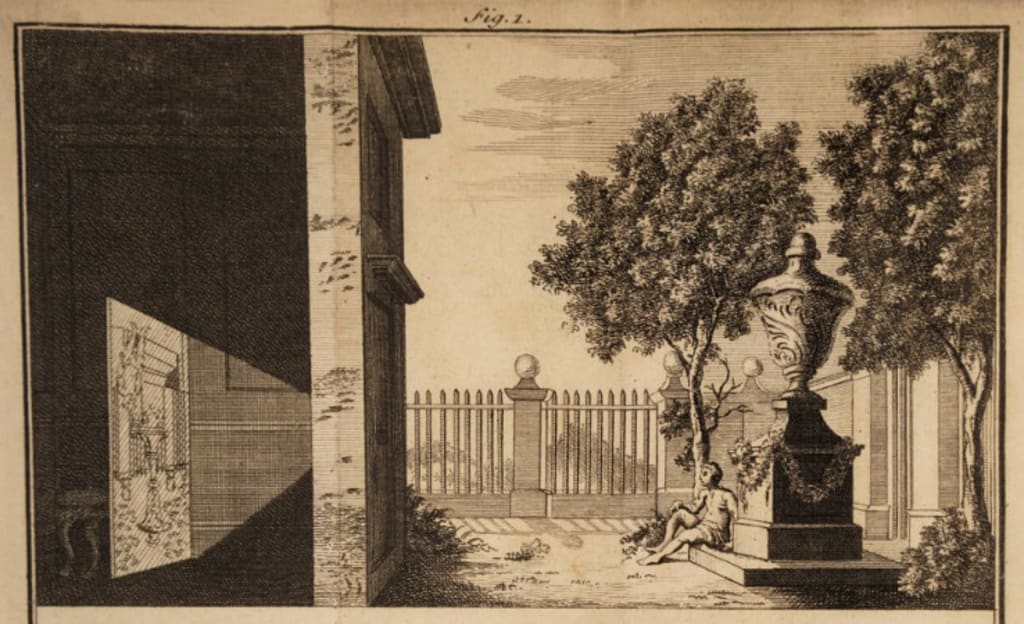
Hey, what's up, everyone? Today I'm going to tell you the amazing story of how the first camera was invented. You might think that cameras are a modern invention, but they actually have a long and fascinating history that goes back to ancient times. Let me show you how it all started. It's a pretty cool story, so let me tell you. The first camera was actually a device called a camera obscura, which means "dark chamber" in Latin. It was basically a box with a small hole on one side that projected an inverted image of the outside world onto the opposite wall. People used it for drawing and painting, but they couldn't capture the image permanently.
That changed in the early 1800s, when some clever guys experimented with different chemicals that could react to light and create a lasting impression. The first successful photograph was taken by a French inventor named Joseph Nicéphore Niépce in 1826. He used a camera obscura and a metal plate coated with a substance called bitumen of Judea, which hardened when exposed to light. He had to leave the camera for eight hours to get a clear image, but he did it!
The problem was that his image faded over time, so he teamed up with another Frenchman, Louis Daguerre, to find a better solution. They discovered that silver iodide could produce a sharper and more stable image, and they called their process daguerreotype. Daguerre took the first photo of a person in 1838, when he captured a street scene in Paris. He didn't intend to do that, but there was a man who stood still long enough to be recorded by the camera while getting his shoes shined.
The daguerreotype was a huge sensation, However, the daguerreotype also had some drawbacks and limitations. It was expensive, time-consuming, and difficult to make. It required a lot of equipment and chemicals, some of which were toxic or flammable. It also required long exposure times, ranging from a few seconds to several minutes depending on the lighting conditions. This meant that people had to stay still for a long time while being photographed or else they would appear blurry or ghostly in the picture. It also meant that moving objects or scenes could not be captured well or at all by the daguerreotype. Moreover, the daguerreotype was a unique and fragile object that could not be copied or reproduced. It had to be stored carefully in a protective case or else it would tarnish or fade over time. That's why other inventors kept working on improving the technology, and eventually came up with different types of cameras and films that we use today.
These challenges and limitations motivated many other inventors and photographers to look for new ways to improve the camera and the photographic process. They experimented with different materials, methods, and formats, such as paper, glass, negatives, positives, prints, and color. They also explored different subjects, genres, and styles of photography, such as landscapes, architecture, art, journalism, science, and social issues.
But we owe a lot to those pioneers who made the first camera and gave us the gift of photography. They created a rich and diverse history of photography that continues to evolve and inspire us today.
So that's how the first camera was invented and how it changed the world. I hope you enjoyed this blog post and learned something new. If you did, please give it a like and share it with your friends. And don't forget to subscribe to my channel for more awesome content like this. Thanks for reading and see you next time!
About the Creator
Keep reading
More stories from Chukwuebuka Dikeocha and writers in History and other communities.
Why Pastor Collar Shirts Are Essential for Modern Church Leaders
In today’s modern church, appearance matters just as much as message. Church leaders are expected to look respectful, approachable, and professional at all times. Clothing plays a big role in creating this image. Among all clerical outfits, pastor collar shirts stand out as one of the most important garments for church leaders. These shirts are not only a symbol of faith and authority, but they also provide comfort, confidence, and identity.
By Sameera eclergys3 days ago in History
Silver Screen Magic with Mae West
American actress and singer Mae West became a popular film actress during the Great Depression. She started entertaining in vaudeville, then performed on Broadway, and finally went to Hollywood. She signed up with Paramount Pictures and made her debut in the 1932 film “Night After Night.” She also starred in musicals, comedies, and crime dramas. The American Film Institute named her one of the best classic Hollywood actresses.
By Rasma Raisters5 days ago in Geeks



Comments
There are no comments for this story
Be the first to respond and start the conversation.