
The Legacy of the Roman Empire in Today’s World
Explore the profound and enduring legacy of the Roman Empire in modern society. From law and governance to architecture and language, discover how Rome’s influence shapes today’s world.

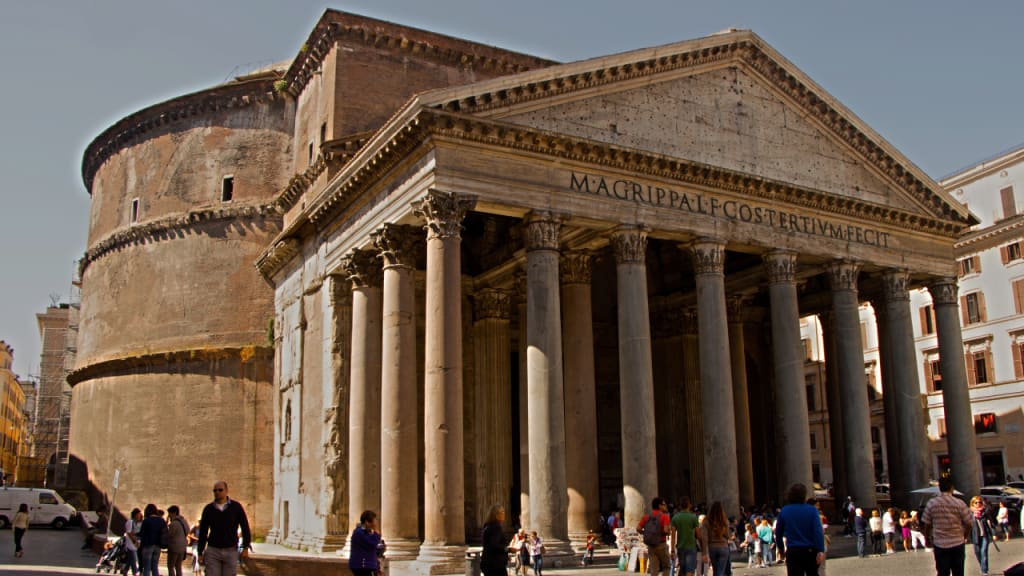
The Roman Empire, one of history’s most formidable civilizations, dominated the ancient world for over a millennium.
At its peak, it stretched from Britain to the Middle East, leaving an indelible mark on governance, law, engineering, language, and culture. Even today, the legacy of Rome permeates modern society in ways both obvious and subtle.
This article delves into the multifaceted influence of the Roman Empire on contemporary life, examining its contributions to legal systems, political structures, urban planning, language, and cultural norms.
By understanding Rome’s enduring impact, we gain insight into the foundations of Western civilization and the globalized world.
1. Roman Law: The Foundation of Modern Legal Systems
1.1 The Principles of Roman Law
Among the most important things the empire produced was Roman law. By guaranteeing that laws were recorded and available, the Twelve Tables (451-450 BCE) established the foundation for legal openness.
Later, the Corpus Juris Civilis (Justinian Code, 529-534 CE) systematized Roman legal principles, influencing civil law systems worldwide.
Key Roman legal concepts still in use today include:
- Innocent until proven guilty – Derived from Roman judicial practices.
- Contract law – Roman legal frameworks underpin modern business contracts.
- Property rights – The concept of private ownership was refined by Roman jurists.
1.2 Influence on Modern Legal Codes
Many European legal systems, including those of France (Napoleonic Code) and Germany (Bürgerliches Gesetzbuch), trace their origins to Roman law.
Even common law regimes, such as the United States. and U.K., incorporate Roman legal principles, particularly in property and tort law.
2. Governance and Political Systems
2.1 Republic vs. Empire: A Model for Modern Democracies
There are governance lessons to be learned from Rome's transformation from a republic to an empire.The Roman Republic (509–27 BCE) introduced concepts like:
Separation of powers (Consuls, Senate, Assemblies).
Checks and balances to prevent tyranny.
Representative government (though limited to patricians initially).
These ideas influenced the U.S. Constitution and other democratic frameworks.
2.2 The Concept of Citizenship
Rome’s extension of citizenship to conquered peoples (via the Edict of Caracalla, 212 CE) set a precedent for inclusive governance. Modern citizenship laws, particularly in multicultural societies, reflect this Roman ideal.
3. Engineering and Urban Planning
3.1 Roman Architecture: Enduring Grandeur
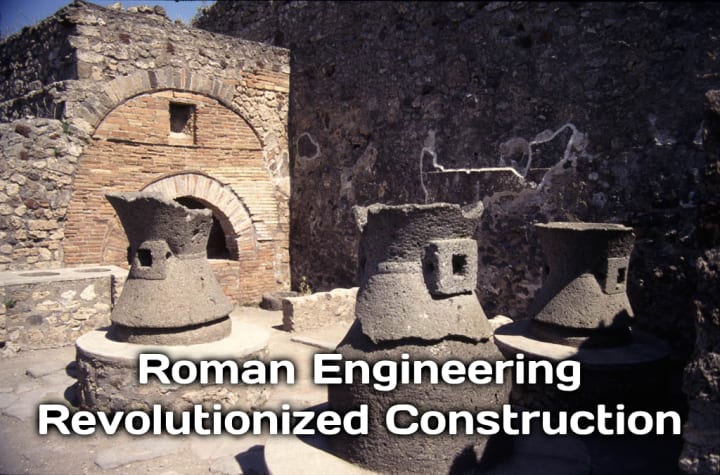
Roman engineering revolutionized construction. Key innovations include:
- Aqueducts – Modern water supply methods are continually being researched.
- Roads – The Roman road network (over 250,000 miles) facilitated trade and military movement, much like modern highways.
- Concrete – Roman concrete (using volcanic ash) was incredibly durable; some structures, like the Pantheon, remain intact.
3.2 Urban Planning and Public Works
Roman cities featured:
- Grid layouts (similar to modern urban planning).
- Public baths, forums, and amphitheaters – Precursors to today’s recreational and civic centers.
- Sewage systems (Cloaca Maxima) – Early examples of public sanitation.
4. Language and Literature
4.1 Latin: The Mother of Romance Languages
Latin, Rome’s official language, evolved into:
- Italian, French, Spanish, Portuguese, and Romanian (the Romance languages).
- Legal, medical, and scientific terminology (e.g., "habeas corpus," "in vitro").
4.2 Roman Literature’s Lasting Influence
Works by Virgil (Aeneid), Cicero (rhetoric), and Seneca (philosophy) remain foundational in Western literature and thought.
5. Military Strategy and Warfare
5.1 The Roman Legion: A Model for Modern Armies
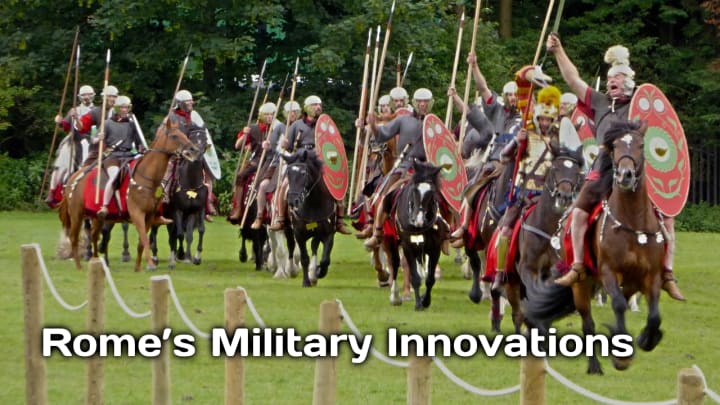
Rome’s military innovations included:
- Disciplined troop formations (testudo, cohort system).
- Standardized equipment and training – Similar to modern armed forces.
- Engineering in warfare (siege engines, fortified camps).
5.2 Geopolitical Influence
Rome’s strategies in diplomacy, assimilation, and infrastructure are mirrored in modern superpowers’ approaches to global dominance.
6. Christianity and Religious Legacy
6.1 Rome’s Role in Spreading Christianity
The Edict of Milan (313 CE) legalized Christianity, and Emperor Constantine’s conversion helped establish it as a dominant religion. The Vatican and Catholic Church still use Latin and Roman administrative structures.
6.2 Roman Paganism in Modern Culture
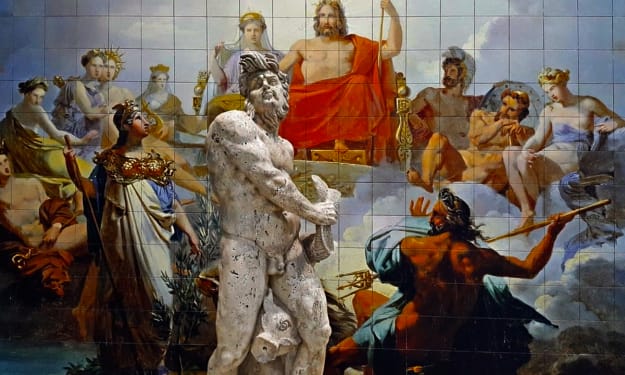
Jupiter and Venus, the Roman gods, have impacted art, literature, and astronomy (planet names).
7. Economic Systems and Trade
7.1 Coinage and Monetary Policy
Rome standardized coinage (denarius), facilitating trade across continents—a precursor to modern currencies like the Euro.
7.2 Trade Networks
Globalization was made possible by the Silk Road and the Mediterranean trade routes that Rome developed.
8. Cultural and Social Influence
8.1 Entertainment: From Gladiators to Modern Sports
- Gladiatorial games inspired modern combat sports (boxing, MMA).
- Chariot races resemble today’s motorsports.
8.2 Roman Fashion and Art
- Togas and tunics influence formal attire.
- Frescoes and mosaics inspire classical and modern art.
Conclusion: Rome’s Eternal Legacy
The Roman Empire’s influence is omnipresent in today’s world—from legal systems and governance to language and infrastructure.
Its innovations laid the groundwork for Western civilization, proving that Rome never truly fell but instead evolved into the modern era.
By studying Rome’s legacy, we gain a deeper appreciation for the structures that shape our daily lives and the historical forces that continue to drive progress.
About the Creator
Himadri Niloy
Who explores forgotten histories, cultural echoes, and the silent revolutions of time.
Keep reading
More stories from Himadri Niloy and writers in History and other communities.
The Fall of Tibet to a Communist State: History, Causes, and Consequences
The incorporation of Tibet into the People’s Republic of China (PRC) after 1950 was not a single event but a complex process involving military force, political negotiation, ideological conflict, and long-lasting resistance. Understanding this fall requires examining Tibet’s historical status, China’s communist revolution, and the profound consequences that followed.
By Say the truth 6 days ago in History
3 Everyday Items That Accidentally Became Deadly
We like to believe danger announces itself. Spikes look sharp. Poisons come with skulls. Explosives are loud and rude about it. Everyday items, by contrast, earn our trust through familiarity. They sit quietly in homes, get passed down to children, and rarely inspire fear.
By Enoch Sagini5 days ago in History


Comments
There are no comments for this story
Be the first to respond and start the conversation.