
How Greek Mythology Still Shapes Modern Culture
Discover how Greek mythology continues to influence modern culture—from literature and movies to psychology and everyday language. Explore its timeless impact in this in-depth analysis.

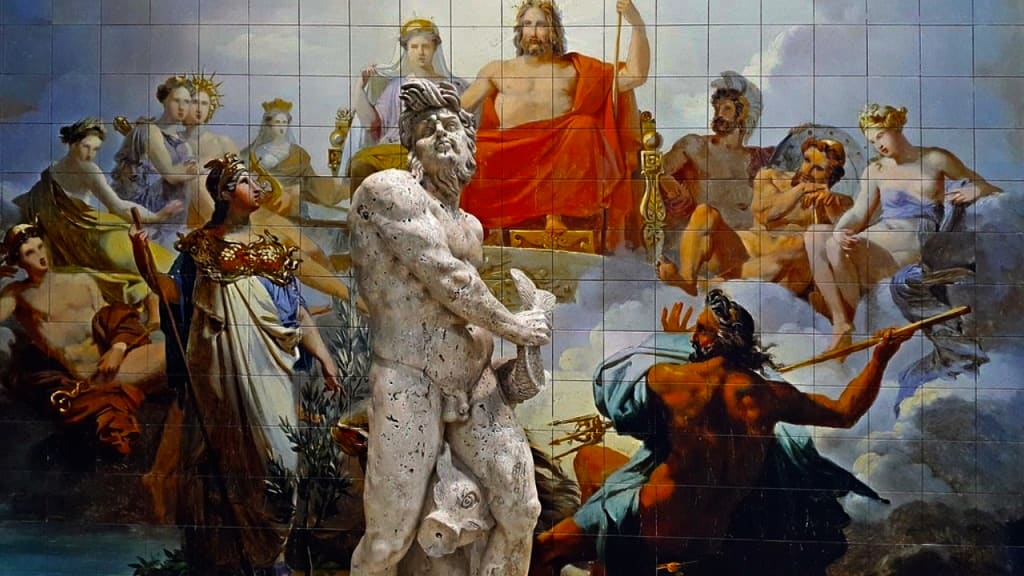
Greek mythology, a collection of ancient stories about gods, heroes, and mythical creatures, has profoundly shaped Western civilization for thousands of years.
Though these myths originated in ancient Greece, their influence extends far beyond antiquity, permeating modern literature, film, psychology, language, and even advertising.
From the heroic tales of Hercules to the tragic love story of Orpheus and Eurydice, Greek myths continue to captivate audiences worldwide. But why do these ancient narratives remain so relevant?
The answer lies in their universal themes—love, betrayal, heroism, fate, and human flaws—that resonate across generations.
This article explores the enduring legacy of Greek mythology in contemporary culture, analyzing its presence in literature, cinema, psychology, and everyday language.
1. Greek Mythology in Modern Literature
Classical Inspirations in Fiction
Greek myths have inspired countless literary works, from classical epics to modern novels. Writers often reinterpret these myths to reflect contemporary issues.
- James Joyce’s Ulysses – This modernist masterpiece reimagines Homer’s Odyssey, with protagonist Leopold Bloom paralleling Odysseus’s journey through Dublin.
- Madeline Miller’s The Song of Achilles – An adaptation of the Iliad from Patroclus's point of view that combines legendary drama with historical fiction.
- Rick Riordan’s Percy Jackson – A bestselling young adult series that brings Greek gods into the modern world, introducing mythology to new generations.
Mythological Themes in Poetry
Poets like W.B. Yeats and T.S. Eliot have drawn from Greek myths to explore existential and philosophical themes.
- Yeats’ Leda and the Swan – Based on the myth of Zeus seducing Leda in swan form, symbolizing power and transformation.
- Eliot’s The Waste Land – References the Sibyl, a prophetess from Greek mythology, to depict a fragmented modern world.
2. Greek Mythology in Film and Television
Hollywood’s Love Affair with Greek Myths
From blockbuster films to TV series, Greek mythology remains a goldmine for storytelling.

- Clash of the Titans (1981 & 2010) – A cinematic adaptation of Perseus’s quest to defeat Medusa and save Andromeda.
- Troy (2004) – Brad Pitt’s portrayal of Achilles brought the Iliad to life, blending history with myth.
- Wonder Woman (2017) – The DC superheroine is an Amazon warrior, directly inspired by Greek mythology’s female fighters.
TV Series and Animated Adaptations
- *Hercules: The Legendary Journeys (1995-1999)* – A popular TV show loosely based on Hercules’ labors.
- Blood of Zeus (Netflix, 2020) – An anime-style series exploring Zeus’s illegitimate son and his battle against demons.
3. Greek Mythology in Psychology
Freud and Jung’s Use of Myths
Psychologists have long used Greek myths to explain human behavior.
- Oedipus Complex (Freud) – Derived from Sophocles’ Oedipus Rex, this theory explores subconscious desires and family dynamics.
- Electra Complex (Jung) – The female counterpart to the Oedipus Complex, based on the myth of Electra avenging her father Agamemnon’s death.
Archetypes and the Collective Unconscious
Archetypes are universal symbols with mythological roots that were first proposed by Carl Jung.
- The Hero (Hercules, Perseus) – Represents courage and self-sacrifice.
- The Trickster (Hermes, Prometheus) – Symbolizes cunning and rebellion.
4. Greek Mythology in Everyday Language
Common Phrases with Mythological Origins
Many English expressions come from Greek myths:
- "Achilles’ heel" – A fatal weakness (from Achilles’ only vulnerable spot).
- "Pandora’s box" – a cause of unexpected problems.
- "Herculean task" – An extremely difficult challenge.
Corporate and Brand Names
Companies often use mythological names for branding:
- Nike – The goddess of victory.
- Amazon – Named after the warrior women of Greek myth.
- Oracle – Inspired by the prophetic Oracle of Delphi.
5. Greek Mythology in Art and Architecture
Renaissance and Neoclassical Art
Artists like Botticelli and Michelangelo incorporated Greek myths into their works:
- Botticelli’s The Birth of Venus – Depicts Aphrodite’s emergence from the sea.
- Michelangelo’s Dionysus – A sculpture inspired by the god of wine.
Modern Symbolism in Architecture
Greek columns and themes, which stand for democracy and wisdom, are frequently found in government structures.
The U.S. Capitol – Designed with Greek architectural elements to reflect democratic ideals.
Conclusion
Greek mythology is far from obsolete—it thrives in modern culture, shaping storytelling, psychology, language, and even corporate branding.
Its timeless themes of heroism, tragedy, and human nature continue to resonate, proving that these ancient stories are as relevant today as they were millennia ago.
By understanding the influence of Greek myths, we gain deeper insight into our own culture, literature, and collective psyche. Whether through a Hollywood blockbuster or a casual reference to an "Achilles’ heel," the legacy of Greek mythology endures.
Would you like to see more mythological influences in modern media? Which Greek myth is your favorite? Share your thoughts in the comments!
About the Creator
Himadri Niloy
Who explores forgotten histories, cultural echoes, and the silent revolutions of time.
Keep reading
More stories from Himadri Niloy and writers in History and other communities.
The Forgotten Flavors: How Ancient Recipes Could Change the Future of Food
Introduction: A Taste of What We’ve Lost Today, food is everywhere—globalized, homogenized, and, in the great majority of cases, severed from its place of origin. A hamburger consumed in New York has virtually the same taste as one consumed in Tokyo or Dubai. Pasta comes in a thousand variations, but the sauces follow the well-known: tomato, cream, or cheese. Supermarkets carry an incredible variety, but all are produced from the same limited list of international commodities: wheat, corn, soy, rice, sugar.
By The Chaos Cabinet2 days ago in History
Which Pastoral Dresses Are a Must-Have for Every Minister?
When it comes to leading a congregation, appearance matters as much as heart and spirit. Every minister needs clothing that reflects grace, professionalism, and faith. Pastoral dresses are a perfect choice for women ministers, offering elegance and comfort. In this guide, we’ll explore which styles are essential for any minister and why having the right women’s clerical wear can make a big difference.
By Sameera eclergys5 days ago in History




Comments
There are no comments for this story
Be the first to respond and start the conversation.