
The Forgotten Fields: Part IX – Hockey
Iron Lighthouse Strikes Again


I. The Sound of the Rink
The first sound isn’t the whistle. It’s the blade. A sharp hiss across frozen ground. The scrape of steel carving a perfect arc on the ice. Then the puck... that crisp, hollow clack as it meets the stick.
The night is cold enough that breath hangs like ghosts in the floodlight haze. The boards creak. The old chain-link fence rattles when someone crashes into it. A few parents stamp their boots along the sideline, hands wrapped around thermoses, watching sons and daughters chase the puck like it’s the last thing that matters.
This isn’t Madison Square Garden or the Montreal Forum. This is a frozen pond behind a mill town. A patch of ice shoveled clear by hand.
And to everyone here, it’s holy ground...
II. Fire on Ice
Hockey came to America the way winter always does. Quietly at first... patiently... and then all at once.
In the late 1800s, the game drifted south from Canada with traveling workers, students, and soldiers. They carried sticks, skates, and the hunger to play. The first rinks were rivers, ponds, and frozen pastures. No boards. No glass. Just frozen water, wooden sticks, and heart.
The cold didn’t matter. The bruises didn’t matter. The game was the warmth.
Soon, small towns from Minnesota to Michigan, from Maine to Montana, had a team. Maybe just six guys with mismatched pads and homemade sweaters, but they played like pros.
III. Frozen Foundations
Long before the NHL carved out its empire, hockey lived in places that never saw a spotlight.
In Wisconsin, kids carried buckets of water to flood outdoor rinks overnight. In New England, games broke out every weekend on ponds behind barns. Upstate New York had mill towns that built rinks from scrap lumber and sheer stubbornness.
The boards were nailed by hand. The nets were stitched by volunteers. The lights were hung from telephone poles.
And yet, when the puck dropped, it didn’t matter if you were playing for glory or for nothing at all.
The ice equalized everyone.
IV. The Blue-Collar Game
Hockey has always been the game of workers. Factory men, miners, dockhands, and farmers... they played because it made sense. The bruises matched the life. The cold didn’t scare them. It reminded them of home.
These were people who got up before dawn to work shifts and then came back at night to flood the rink again. The local diner stayed open late, serving coffee to anyone who needed to warm up after a game. The same faces showed up every night, tired but grinning, hockey bags slung over their shoulders like battle packs.
It wasn’t about trophies. It was about escape.
V. Women on the Ice
Even in the earliest days, women found their place on the ice, even when no one expected them to.
From the 1920s onward, small-town leagues and colleges saw women lacing up skates and picking up sticks. They wore men’s gear, sometimes three sizes too big, and went head-to-head with anyone willing to challenge them.
During the war years, when men shipped out, women’s leagues became a winter lifeline in dozens of northern towns. They played under the same floodlights, on the same rinks, in the same biting wind.
They didn’t break into the game. They helped build it...
VI. The Golden Age of the Local Rink
By the 1950s and 60s, the local rink was king. Every town had one... a low, corrugated metal building with a single sign that just said ARENA. The smell of hot chocolate, sweat, and sharpening wheels filled the air. Kids grew up chasing pucks until their hands blistered, dreaming of making it to Detroit or Chicago someday.
On weekends, the rink became the town’s heartbeat:
- Friday night, high school hockey.
- Saturday morning, peewees on the ice.
- Sunday night, the old-timers’ league.
It wasn’t glamorous. It was home.
VII. The Brotherhood of Blades
There’s something sacred about hockey camaraderie. Maybe it’s the cold. Maybe it’s the shared bruises. Maybe it’s the silence between shifts when you can hear nothing but the rasp of skates and your own heartbeat.
Every team had its cast of characters:
- The quiet goalie who faced the world alone.
- The defenseman who’d drop gloves before thinking twice.
- The captain who never stopped skating, win or lose.
And when the final buzzer sounded, they shook hands, shared a laugh, and went for a beer at the same dive bar two blocks away. Because in small-town hockey, everyone knew everyone.
VIII. The Decline of the Pond
Time moved on. Climate changed. Town budgets tightened. Kids found other games. The outdoor rink became an empty lot, the boards rotted, and the pond thawed one winter and never quite froze again.
Hockey didn’t vanish, it just went indoors; into places with ticket booths and sponsorships. But the soul of the game? That stayed behind, out on the frozen ponds that nobody floods anymore.
X. Echoes in the Cold
If you walk through certain towns on a still winter night, you can still hear it:
- The scrape of skates.
- The clack of sticks.
- The echo of a puck ricocheting off a wooden board.
The lights might be out, but the ice remembers. And sometimes, when Americans think of hockey, they remember more than the cold.
They remember Lake Placid, 1980... When a ragtag team of college kids stared down the most dominant hockey squad on earth, the Soviets! And somehow, some way, pulled off one of the most incredibly victories ever seen in any sport! A miracle for the ages... The “Miracle on Ice” as it was coined, wasn’t just a win; it was a heartbeat. It was the sound of a nation standing together, if only for a moment, under a frozen sky. Because hockey’s greatest victory didn’t just happen in an arena, it was born on the ponds, rinks, and forgotten fields that made Americans believe they could.
XI. Closing Reflection
Hockey is the sound of winter breathing. It’s frozen sweat, bleeding knuckles, and laughter in the cold. It’s kids skating under a full moon, neighbors watching from their cars with the heaters running, and a rink that smells like effort and pride.
It’s not about the NHL. It’s not about the trophies or the checks.
It’s about the moments... fleeting, frozen, and eternal.
“Hockey wasn’t born in arenas.
It was born in the breath between heartbeats.
And somewhere, under a frozen sky, the game still plays itself.”
About the Creator
The Iron Lighthouse
Where folklore meets freeway. A guide to the strange heart of the American backroads...
Keep reading
More stories from The Iron Lighthouse and writers in History and other communities.
The Forgotten Fields: Part VIII – Billiards
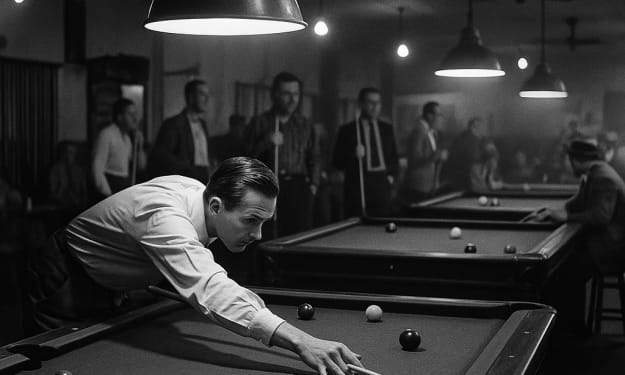
I. The Crack of the Break A sharp CRACK splits the silence. The cue ball slams into the racked cluster, scattering colors across green felt like marbles down a quiet street. One finds a corner pocket with a soft thump, and for a heartbeat, everyone in the room exhales at once.
By The Iron Lighthouse3 months ago in History
When Time Was Not Yours: How Ordinary People Lived Before the Clock Ruled the World
Imagine waking up without knowing the exact time. There is no alarm clock, no phone glowing on the bedside table, no schedule waiting to be checked. The day begins not because a number changes, but because the light does. Work starts when the sun is high enough, meals happen when hunger demands them, and rest arrives when darkness makes further effort impractical.
By Libby Meggerson4 days ago in History
Is NATO Facing Its Biggest Crisis Yet?
Is NATO Facing Its Biggest Crisis Yet? For more than seventy years, NATO has been one of the strongest military alliances in the world. Formed after World War II, it was designed to protect its members through collective defense. An attack on one was considered an attack on all. For decades, this principle helped maintain stability in Europe and beyond. But today, NATO is facing one of the most challenging moments in its history.
By Wings of Time about 9 hours ago in History


Comments
There are no comments for this story
Be the first to respond and start the conversation.