
The Civilization of the Ottoman Turks: A Legacy of Courtesy, Wisdom, and Deep Spiritual Values
Timeless Lessons from the Ottoman Turks in Modesty, Hospitality, and Silent Wisdom
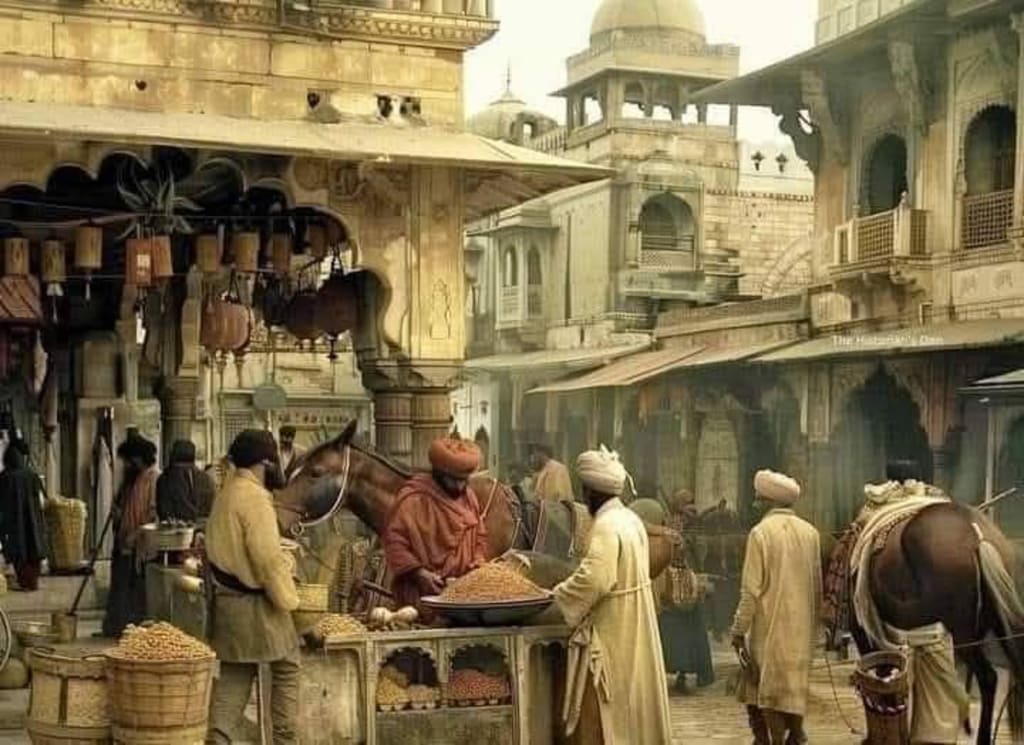
Throughout history, few civilizations have preserved a legacy as refined and spiritually grounded as that of the Ottoman Turks. Emerging from modest beginnings and growing into one of the most powerful empires the world has ever seen, the Ottomans left behind not just tales of conquest, but also rich traditions rooted in manners, respect, and subtle intelligence.
Their daily lives, community practices, and hospitality customs paint a portrait of a people who lived with purpose, imbued with values of dignity, humility, and emotional intelligence. Let us journey into the cultural soul of the Ottomans—a civilization where every gesture had meaning, and every action reflected wisdom.
---
Hospitality: A Silent Language of the Heart
Hospitality in Ottoman culture wasn’t merely about offering food or drink—it was a deeply symbolic interaction, a respectful dialogue between host and guest without words.
When a guest arrived at an Ottoman home, they were offered two simple things: a cup of Turkish coffee (qahwa) and a glass of plain water.
If the guest reached for the water, the host would immediately understand that the visitor might be hungry, and without asking or embarrassing the guest, they would begin preparing a meal—often their finest, even if they had little themselves.
However, if the guest chose coffee, it was understood they were there just for conversation and did not wish to eat, allowing the host to continue the visit in a lighter, more social tone.
This silent understanding showcased not only hospitality but also respect for the dignity and unspoken needs of others.
---
Floral Symbols: Messages Without Words
Ottomans used flowers as a subtle language outside their homes, offering passersby unspoken but powerful messages.
A yellow flower placed outside the home signaled that someone in the house was ill. This gentle indicator advised visitors to speak softly, avoid noise, and, if appropriate, come in to inquire about the patient's health.
A red flower suggested that there was a young woman of marriageable age in the home. It was a community-based warning to avoid inappropriate or vulgar language near the house. It was also a welcome signal for those who intended to propose marriage—an invitation to knock respectfully.
These flower signs reflect the social responsibility and moral boundaries that governed Ottoman neighborhoods. There was no need for confrontation, no boards or notices—civility was coded into aesthetics.
---
The Double Door Hammer: Gender Sensitivity
Another beautiful and thoughtful tradition was the use of two hammers or knockers on the doors of Ottoman homes:
One was larger and heavier, meant to be used by men.
The other was smaller and lighter, designated for women.
When a man knocked using the large hammer, a male member of the household would come to answer. If the smaller hammer was used, it signaled a female visitor, prompting a woman from the household to attend the door.
Such practices weren’t just cultural quirks—they showed a profound respect for modesty, boundaries, and gender ethics in the public and private spheres of life.
---
Charity with Dignity: Anonymous Giving
Perhaps one of the most awe-inspiring aspects of Ottoman culture was the way they handled charity. Giving was not for show, recognition, or public praise—it was quiet, respectful, and anonymous.
Wealthy individuals would go to local vendors—such as vegetable sellers or grocers—and open anonymous tabs (accounts). These tabs were meant to cover the costs of food or supplies for any poor person who came in need.
When a poor person arrived to buy something, the shopkeeper would provide the items free of charge, telling them nothing of the benefactor. The giver never met the receiver. The dignity of the poor was preserved, and the reward was left entirely to Allah.
Later, the wealthy individual would return quietly and clear the tab, expecting nothing but the satisfaction of helping a fellow human being.
This practice is a testament to the Ottoman spirit of silent service—a value deeply embedded in Islamic teachings.
---
Adab with the Prophet (PBUH): A Unique Expression of Love
The Ottomans were not just polite—they were spiritually refined. One such example is how they treated the age of the Prophet Muhammad ﷺ.
The Prophet (peace be upon him) passed away at the age of 63. Among devout Ottoman Turks, if an elderly person had surpassed this age and was asked how old they were, they would not say “I am 65 or 70.” Instead, they would reply:
> “Son, I have crossed the limit.”
This was not out of superstition but out of deep reverence and spiritual love for the Prophet ﷺ. They felt it inappropriate or audacious to say they had lived longer than the Messenger of Allah.
Such subtleties reveal the depth of Ottoman adab (etiquette)—a love that shaped their language, actions, and worldview.
---
The Reason Behind Ottoman Decline: A Loss of Values
For centuries, the Ottoman Empire stood as a beacon of Islamic civilization, a model of balanced power, religious freedom, intellectual progress, and moral living. So what led to its fall?
According to many historians and cultural observers, the empire did not collapse due to lack of might but due to internal betrayal, loss of spiritual values, and Western conspiracies that targeted the Ottoman identity.
As their traditions of generosity, modesty, and spiritual discipline eroded, so did the strength of their unity. Greed, political manipulation, and abandonment of their own cultural wisdom opened the doors for the empire’s eventual fragmentation.
---
What We Can Learn Today
The lessons from Ottoman civilization are not confined to history books. They remain relevant today in a world that is often rushing, indifferent, and transactional.
When we offer a guest water or tea, we can remember their method of listening with the heart, not the ears.
When we give in charity, let us give with dignity, not display.
When we speak of modesty and social respect, we can adopt symbolic, gentle ways rather than aggressive or legalistic ones.
When we reflect on our Prophet ﷺ, we can ask whether we love him with such sensitivity and manners as the Ottomans did.
---
Conclusion: A Civilization Built on Wisdom
The Ottoman Turks left behind a civilizational blueprint where values were lived, not just preached. Their culture reminds us that true greatness lies not only in power or architecture, but in the way a society treats its guests, respects its women, protects its poor, and honors its prophets.
In an age where modern life often celebrates speed, fame, and self-promotion, the Ottoman legacy calls us back to simplicity, meaning, and sincerity—a beautiful tale of literature, love, and light that the world should never forget.
About the Creator
Keep reading
More stories from Ikram Ullah and writers in History and other communities.
Switzerland’s Incredible Bunker Network: Neutrality Backed by Total Preparedness
During the early hours of World War II, when Nazi forces stormed into Poland in 1939, Switzerland’s famed neutrality was shaken. In that instant, Swiss leaders understood that merely declaring neutrality would not guarantee safety from future threats. What followed was a strategic, national mission: to fortify the country’s borders and build an extensive—and remarkably discreet—network of bunkers.
By Ikram Ullah9 months ago in History
The Years 1810 to 1819 Unveiled: Intriguing Facts and Landmark Events
This quick read is a collection of fun facts, trivia, and historical events from the years 1810 to 1819. Discover the decade’s top news stories, most influential people, notable inventions, retail prices, and much more.
By Gregory DeVictor3 days ago in History
The First Rainbow Baby
Pitter-patter, pitter-patter. The rain fell in rhythmic splatters, slowly slowing, but still constant. Mira rolled onto her side pulling the blanket tight against her ears, but still she could hear chitter-chatter and scurrying feet of the creatures that refused to sleep in the lower decks.
By A. J. Schoenfeld3 days ago in Fiction


Comments
There are no comments for this story
Be the first to respond and start the conversation.