
Ten Eery Islands With Plenty of Ghosts If You Believe in Them
And Tragic Stories of People Who Lost Their Lives

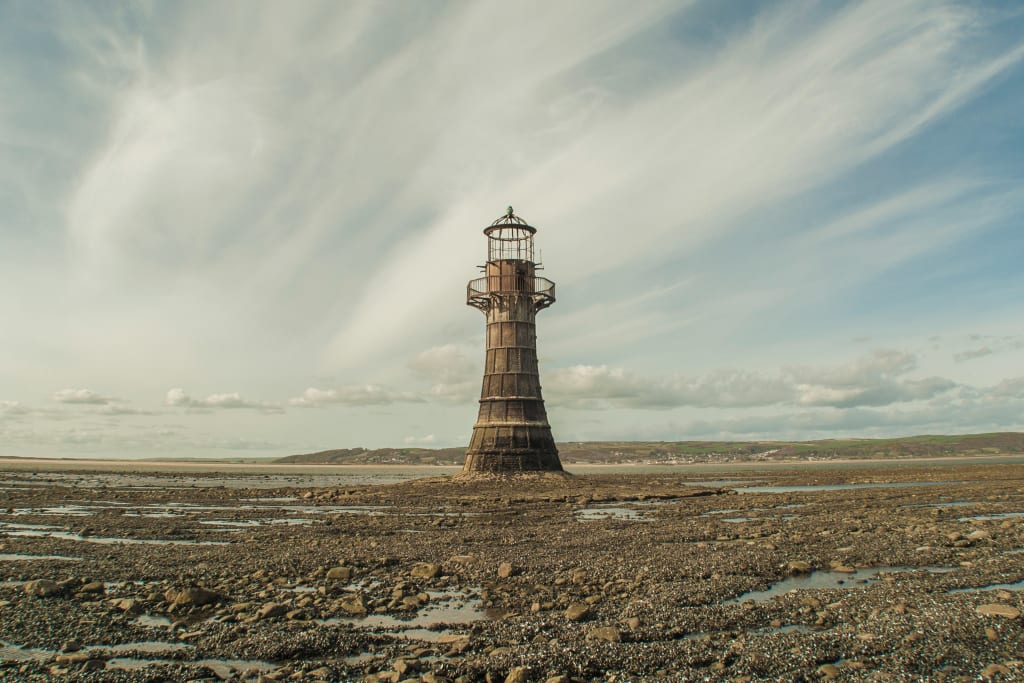
From pirate havens to abandoned asylums - these ten islands have long, complex, and often sad stories to tell. They are more than eerie, uninhabited lands, decaying buildings, or thriving tourist attractions. These places give us a peek into the lives of people who lived or died there.
The Island That Does Not Exist
Some islands may have ghosts, while Sandy Island is a ghost itself.
Sandy Island was first documented, and its coordinates were published in Captain James Cook's Chart of Discoveries in 1776. A hundred years later, a whale hunting ship passed the shores, and the crew confirmed the island's existence.
So, for the centuries to follow, Sandy Island was drawn on British and German maps as one located between Australia and New Caledonia.
By the end of the 19th century, it was said to be 24 kilometers long and 5 kilometers wide.
But eventually, its existence was questioned. After all, only those few mentions were ever recorded. And no empire claimed their rights to Sandy Island, despite fighting over every possible piece of land for centuries.
A group of scientists visited the potential location in 2012. They measured the ocean depths and concluded that the island could not have sunken under, so it was erased from the world maps.
Nosy Boraha aka the Pirate Island
Today the island off the East coast of Madagascar is a tropical paradise. But that certainly was not the case centuries ago when Nosy Boraha, also known as Sainte-Marie island was a real pirates' haven.
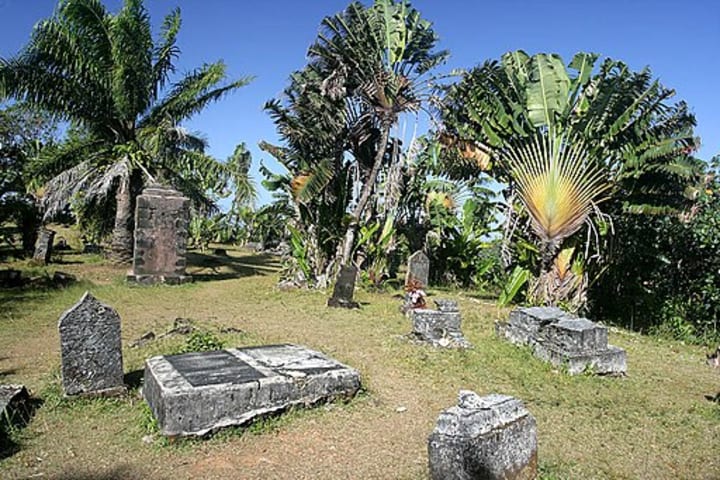
In the 17th and 18th centuries, the island was in the perfect location as it was near the route for ships coming back from the East Indies loaded with profitable loot. And while waiting for them to come along, pirates enjoyed crystal clear waters, perfect weather, freshwater sources, and shelter.
It is believed that nearly every notorious pirate in history has visited or lived on Nosy Boraha, and some are buried in the island's pirate cemetery. Although their graves have not been identified.
The legendary pirate republic Libertalia, founded by Captain James Misson is also rumored to have been established on the island itself.
Tetepare Island - The One That Got Abandoned
Another tropical wild jewel with a bizarre past. Tetepare (meaning wild boar) is the largest uninhabited island in the South Pacific and is part of the Solomon Islands. But it was abandoned by people only about 150 years ago, and to this day, the reasons remain unknown.
There are, however, a few possible explanations. One of them is that the place was struck by an epidemic of some contagious disease that killed the majority of the population, and the rest of the inhabitants fled to escape a similar fate.
Another theory is that an underground volcano eruption caused poisonous gases to surface, and that killed most of the people.
The third belief is that some rituals compelled evil spirits to wake up, and they caused a famine that killed the island folk.
Whichever theory is the most plausible, the outcome is the same - surviving people fled and never returned.
Today, it's a wildlife and rainforest sanctuary with only a few eco-lodges for visitors to sleep. And the place is protected from logging by the Tetepare Descendants Association.
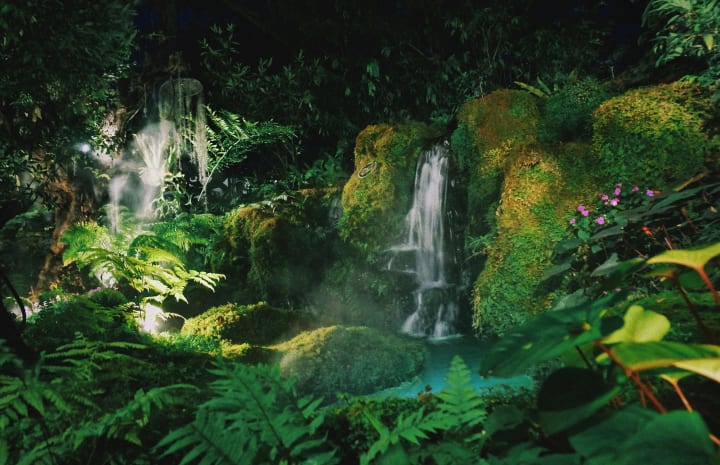
That one tropical paradise to stay away from
Remember the American guy who decided some years ago that it was a good idea to try and preach about christianity the very people known for shooting arrows at planes flying too low? The 26-year-old was killed before he could even say hello.
North Sentinel Island lies in the Indian Ocean and has been home to the same tribe for centuries.
Though in the past there were visits and some non-hostile interactions with the tribe, it was always known for the protectiveness of their privacy. The 18th-century shipwreck survivors washed onto the shores of the North Sentinel had to defend themselves from the tribe's attacks until the rescue came to pick them up.
It is not entirely true, however, that people from the island had no contact with the outside world. In the 60s, the Indian government had a team assigned to visit the island every few years to establish friendly contact. But knowing later India declared the place off-limits to anybody, proves the "friendly" was not working out.
Another reason why getting closer than 5 nautical miles from the island is prohibited is the fear of locals not having immunity to diseases we are commonly used to. Aside from the fact that you most likely would be killed. And there will be no investigation after.
Living on an Island, Working Under the Sea
About 15 kilometers or 8 nautical miles off Nagasaki lies Hashima Island, also known as Battleship Island, due to its shape. In the late 19th century the place became an undersea coal mine owned by the Mitsubishi Company.
In the late 1950s, the island's population peaked at 5259 people. By then the island had it all - apartment buildings, a school, a hospital, a town hall, a community center, a swimming pool, a cinema, rooftop gardens... All of that was on merely 6.3 hectares (16 acres) of land.
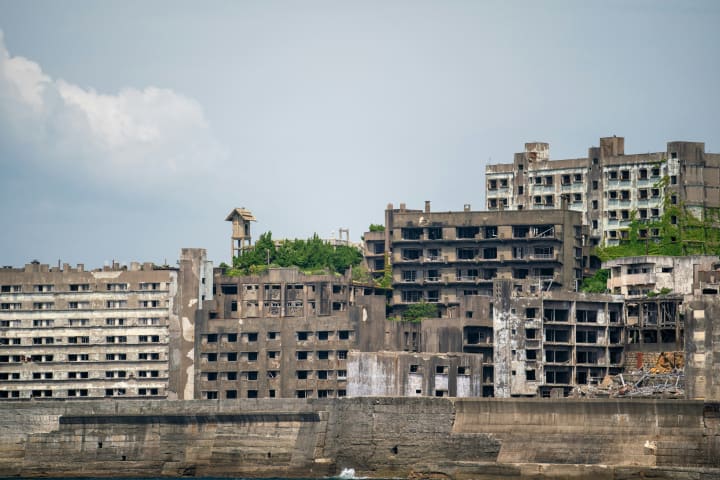
But less than two decades later, in 1974, the mines were depleted and closed. All the residents went to look for jobs elsewhere, leaving the island and the buildings to slowly decay.
By the early 2000s, curiosity brought people to explore the ghostly result of decades of abandonment, and the island became a tourist attraction.
However, not all is sunny. From the 1930s until the end of World War II, the island saw over a hundred war prisoners suffer the harsh conditions of forced labor in the mines and malnutrition. However, Japan denies the allegations and claims the workforce was always voluntary.
Oh, by the way, the island became the villain's lair in the James Bond movie "Skyfall".
Alcatraz And its Ghosts
The rocky piece of land off the coast of San Francisco was once renowned for hundreds of pelican birds living there. Hence the name - in old Spanish a pelican was called "Alcatraz".
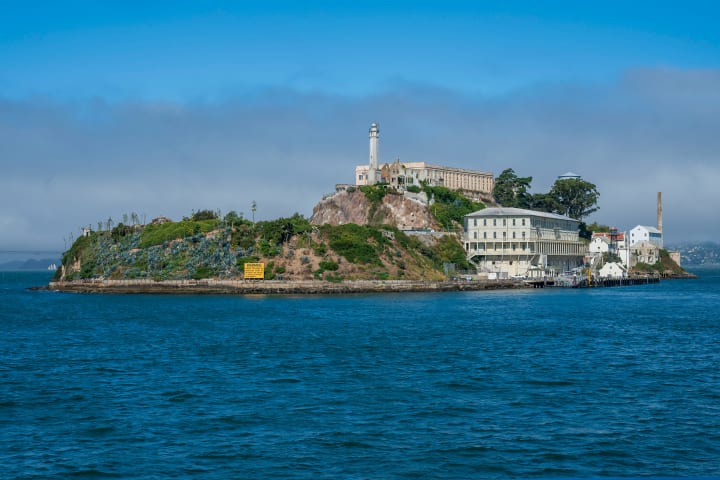
Once the US and Mexico's war over California ended in 1848, the US government decided to turn Alcatraz into a military base. A decade later, it not only held an important military position and weaponry supplies but also kept Civil War prisoners, both soldiers and civilians accused of treason.
In 1933, the expanded and redesigned prison switched from military to public and operated for 29 years.
Alcatraz was the unwilling home to most notorious criminals, including Al Capone, Bumpy Johnson, and George "Machine Gun" Kelly. One of those, named the enemy of the state No1 by the FBI was Alvin Karpis, who became the longest-serving prisoner of Alcatraz, spending 26 years on the island.
All in all, 36 prisoners tried to escape, but neither succeded, at least not officially. They either drowned, were caught, or were shot by guards. Only one reached San Francisco but was seized by police as he was too weak to move after reaching the shore.
After the closure due to high maintenance costs in 1963, buildings remained empty for six years. In 1969, Native American students occupied the premises for nearly two years, demanding changes and acknowledgment of indigenous rights. They also wanted the facilities of Alcatraz to be transformed into an education and cultural center for Native Americans.
However, in 1972, the National Park Service bought the island, and today Alcatraz is one of the main tourist attractions in San Francisco.
North Brother Island - Where the Sick Came to Die
It was not uncommon to build hospitals and asylums on islands, as they would be harder to reach or to escape.
The same fate was destined for the North Brother island just off the shores of Bronx and Rikers, in New York.
At the end of the 19th century, North Brother became home to a hospital that treated all quarantinable diseases known at the time, and what better place to isolate the disease than an island? It had different pavilions for different illnesses and housed patients who had no way out.
Like Mary Mallon, often called Typhoid Mary, who spent over two decades on the island after having been declared a public menace for getting sick. She died in the hospital in 1938.
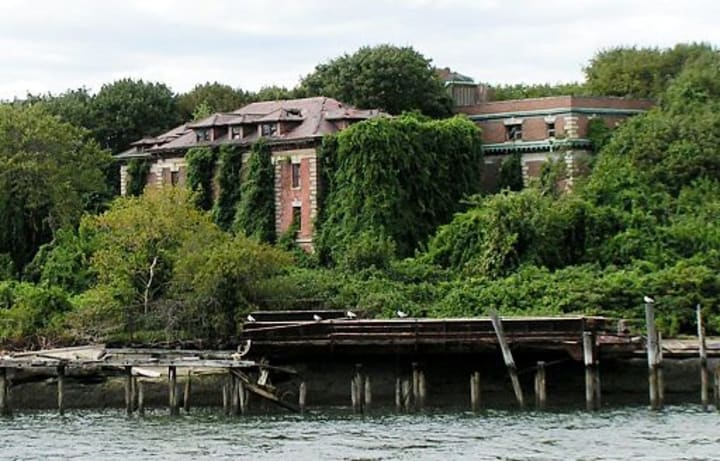
With the need to isolate patients declining due to medical advancements, during WWII the hospital housed war veterans and their families. In the 50s, a rehabilitation center for teenage drug addicts opened there. But instead of treatment, patients would be locked in their rooms until they were "clean". The center closed in 1963, and ever since there has been no other repurposing of the place. Today it is a heron and other bird sanctuary, and the island is off-limits to the public.
Another creepy fact... In 1904, a steamship "General Slocum" crashed and burned off the shores of North Brother. Over a thousand people died before they could reach the island, only their bodies later washing up on the shores.
Where The Dolls Reign
You have probably heard of it before, but no list of spooky islands would be complete without including the strange story surrounding La Isla de Las Munecas or The Island of Dolls, as the name translates from Spanish.
The small piece of land, not too far from the Mexico City center, is among the cluster of chinampas - artificial flat islands in shallow channels of Xochimilco lake. For centuries chinampas were used as fertile soils for growing vegetables and crops.
One of them belonged to Don Julian Santana Barrera who one day up and left his home to move into a hut on the island. Legend has it that one day he found a girl's body floating in the water, but failed to save her life. The next day, he found a doll drifting nearby, and being the superstitious man he was, Don Julian hung the doll on the tree. He believed it would appease the girl's ghost.
Who knows why exactly Barrera decided to continue adding more dolls. Maybe the ghost was still unhappy, or maybe, Don Juan saw these disfigured and broken dolls he found in dumpsters as scarecrows to deter evil spirits.
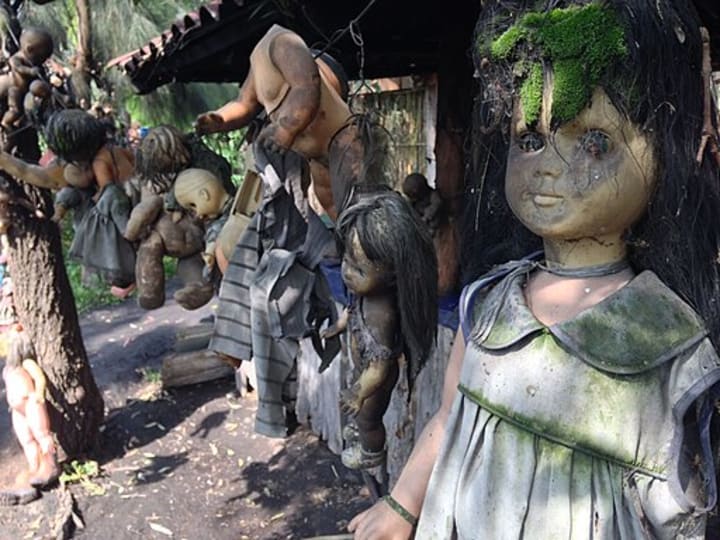
But long story short, from the 1950s until Barrera died in 2001, the island was filled with dolls brought both by the owner and by the growing number of curious visitors who'd pay him to take a peak and a photo. After the man's death, his family opened the island to the public. Today, there is also a small museum where visitors can see the very first doll Julian found, as well as his favorite doll Augustine.
By the way, Barrera was found dead in the water, at the exact place where he claimed to have found the girl's body. If she was ever real, that is.
Deadman's Island of The Dead
Until 2016, the small river island in Kent was mostly known as a bird breeding and nesting sanctuary.
Located in the marshland estuary (transition where rivers meet the seas) of the river Medway, the small, flat, and unimpressive piece of land is owned by Natural England and leased to two people, most likely bird experts. The island is also off-limits to the general public.
For hundreds of years, local people kept telling horror stories of hellhounds eating corpses on the island, and other scary tales to prevent kids from venturing there.
But only in the past decade, have those stories proven true. Well, minus the hellhounds.
Due to constantly changing tides, rising sea levels, and corrosion the secrets buried on the island over 200 years ago began to resurface. Quite literally.
After the Napoleonic wars, some warships that were deemed no longer suitable for the seas were "repurposed" and turned into floating prisons. Located just off the coast of the neighboring island, the prisons called hulks jailed hundreds of men and boys as young as ten.
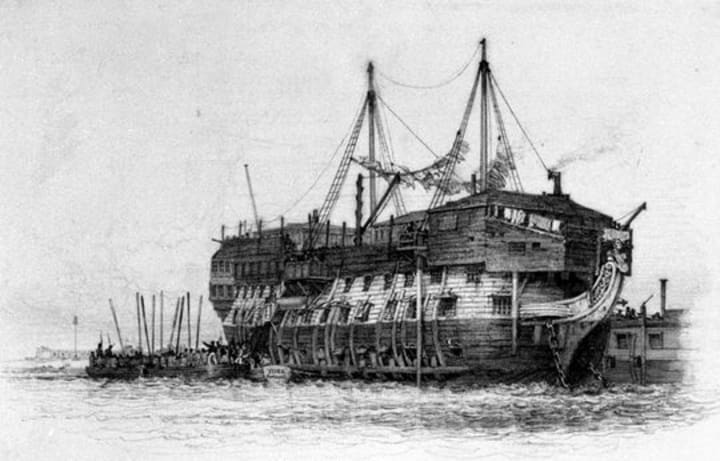
Needless to say, horrible conditions and crowded cells often resulted in outbreaks of contagious diseases. And what did the guards do with the bodies of the deceased? They would bury them in the nearby marshlands of Deadman's island, under six feet of mud.
Some years ago, a BBC crew was allowed to visit the place, and according to them, this place would haunt their memory forever.
Imagine a place ruled by death, with bones, skulls, and broken coffins scattered all around, every one of them constantly misplaced by changing tides or being washed out into the sea.
Exactly for those reasons, bodies will not be reburied. They will be left to rest where they are. Until nature buries them.
Note: If you want to see the images of the bones, there are plenty of them on the internet.
Poveglia - The Most Haunted Island in The World
Venice is a dream destination to many, but did you know the most haunted island in the world (as it is labeled) is also there?
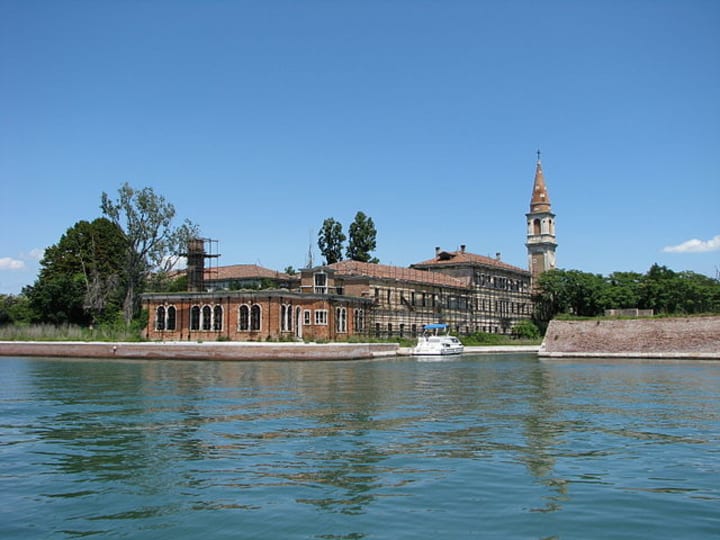
The beginnings of this abandoned island were happy and peaceful. First settlers called it home already in the 7th century. Away from the conflicts and fighting that the main islands of Venice had to endure, they thrived for centuries to come. Until the war reached Poveglia's shores. People were relocated, and the island became a storage facility.
But with its strategic position and the plague threatening Venice, the island was chosen to become a control and customs center for the incoming vessels at the end of the 18th century.
And then a ship came carrying a few sick people. All passengers were quarantined, and it didn't take long for more sick people to be sent to Poveglia. The other two Lazaret islands of Venice were already crowded.
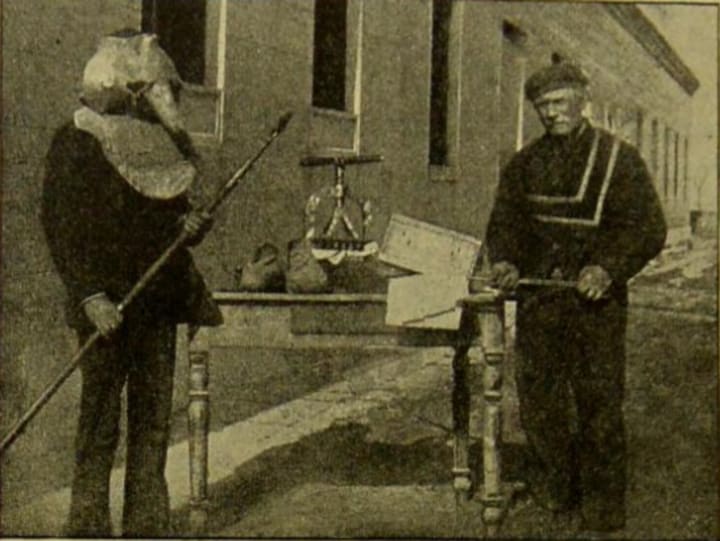
The island remained the control station until it was transformed into a psychiatric hospital in the 20th century, and later became a long-term nursing home. It closed in the late 60s.
Some stories claim that most of the island's ground is partially the ashes of all the plague victims whose bodies had to be buried. And we are talking thousands here. So, another and more plausible version is that the plague victims were thrown into "plague pits" and buried. Which would mean there are maybe thousands of bodies buried there. I think the ashes part sounds less scary.
Other rumors talk about how psychiatric hospital patients would see the ghosts of the plague victims wandering around, and that made their mental state much worse.
One more tale that came with "Ghostbusters" is that of the evil doctor who would torture patients and ultimately was driven to jump off the hospital roof. While the story is a rumor, the torture part is quite likely and tragic.
A lot of people lost their lives on this small island that has been declared off-limits to visitors. And maybe for a good reason. After all, another account has it that construction workers sent to fix decaying buildings refused to return to the island the following day.
The island was also put for sale and was rumored to become a luxury hotel like a few other Venitian islands, but that never happened.
So, perhaps it is best to leave it alone.
And here they are, the ten islands that caught my attention. Of course, there are many more, so if you are interested I could also do part 2 of this theme.
About the Creator
GD Madsen
A historian by education, a former journalist by profession, now living in the French countryside writing books and articles.
World War I
The morning fog lay thick over the trenches of northern France, clinging to the earth as if it too feared what was about to happen. Private Thomas Hale pulled his coat tighter around himself, though it did little to stop the cold from seeping into his bones. He had been in the trenches for six months, yet the damp smell of mud, smoke, and fear still felt unfamiliar, like a nightmare he could not wake from.
By Maavia tahir5 days ago in History
Chicago Hospital Held Newborn Baby for 8 Months Over an Unpaid Medical Bill
Debts were handled much differently in the 19th and early 20th century. Back then, people who accrued debt had more to fear than letters and calls from collection agencies the same way we do today, especially if they owed a hospital or doctor money.
By Criminal Matters6 days ago in History
How to Succeed at the Benson Directory®
Congratulations and welcome to the Benson Directory® employee #22391! As our newest call handler, you will have the privilege of speaking with dozens of unique and interesting people on a daily basis as well as the opportunity to earn bonuses for high performance. Contained within this handbook you will find a set of ease to follow instructions designed to help you settle in to your new role and begin paving the way to success.
By S. A. Crawforda day ago in Fiction



Comments (1)
Total nightmare fuel but good writing