Modern
Rumors, Roses, and a Quiet Promise: The Legend of DiMaggio and Monroe
Rumors, Roses, and a Quiet Promise: The Legend of DiMaggio and Monroe When a public romance shined as bright as Marilyn Monroe’s glow on a Hollywood stage, the afterglow can outlive the headlines. Over the years, stories about Joe DiMaggio and Marilyn Monroe have settled into the realm of myth and memory—the kind of legends that fans retell with a knowing smile, even when every detail isn’t verifiably true. Among those tales, one persists with stubborn tenderness: the idea that DiMaggio, devastated by Monroe’s death, sent red roses to her crypt three times a week for two decades, never remarried, and allegedly uttered his final words, “I’ll finally get to see Marilyn.”
By Story silver book 4 months ago in History
The Parachute Wedding Dress: How Ruth Hensinger Turned WWII Survival Silk into Bridal Magic
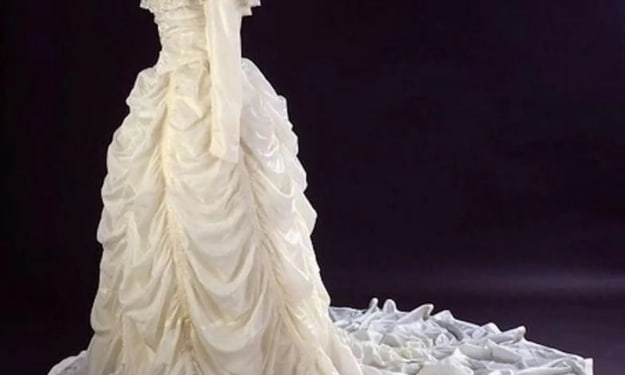
The Parachute Wedding Dress: How Ruth Hensinger Turned WWII Survival Silk into Bridal Magic Imagine a pilot drifting down from a burning plane, his parachute the only thing between him and certain death. That same parachute, once a tool of survival in World War II, becomes the fabric of a bride's dream gown. In 1947, Ruth Hensinger sewed her wedding dress by hand from the nylon parachute that saved her fiancé's life, turning a symbol of war into one of love and hope.
By Story silver book 4 months ago in History
The World Mourns Jane Goodall: The Woman Who Redefined Humanity Through the Eyes of Chimpanzees
The Passing of a Giant in Science On October 1, 2025, the world awoke to heartbreaking news: Dame Jane Goodall, the legendary primatologist, ethologist, and conservationist, had died at age 91. According to a statement released by the Jane Goodall Institute, she passed away of natural causes while in California, where she had been continuing her tireless speaking engagements even in her ninth decade.
By Lynn Myers4 months ago in History
The Cola Wars: How America Fizzed, Fought, and Foamed From the 50s to the 90s
There are few battles in history that were waged not with bullets, but with bubbles. While empires rose and fell, while presidents debated policy and kids memorized baseball stats, a different kind of war rumbled quietly beneath the surface of American life. It was fought in grocery aisles, TV commercials, vending machines, and lunchboxes. It was Coke versus Pepsi... two titans of taste locked in a struggle for the soul of America.
By The Iron Lighthouse4 months ago in History
Martha Washington
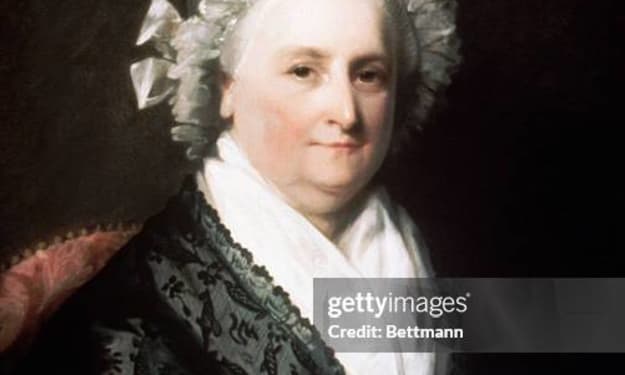
Even though she was born into a privileged life, she still mastered the domestic skills of sewing, cleaning and cooking. During the American Revolutionary War, she supported her husband by accompanying him to the various Winter encampments, offering crucial emotional (and physical) support for the troops. She became the First Lady of the United States of America.
By Ruth Elizabeth Stiff4 months ago in History
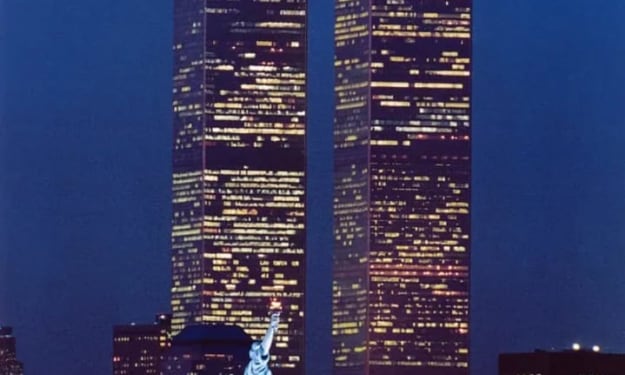
Would the Twin Towers Have Survived if the Planes Hit Higher?
The collapse of the Twin Towers on September 11, 2001, remains one of the most extensively analyzed structural failures in history. Both planes struck relatively high in the buildings, but what if they had impacted even higher? This article explores whether the Twin Towers might have remained standing had American Airlines Flight 11 and United Airlines Flight 175 struck between floors 100 and 110 instead of their actual impact points.
By Brandon Brasson4 months ago in History
The Forgotten Cold Chain: America’s Iceman Era
There was a time... not so long ago... that the daily hum of American life depended on a man with a horse, a wagon, and a block of frozen water. Before refrigerators, before humming freezers in every garage, there was the iceman. He clomped through neighborhoods at dawn, iron tongs swinging, hoisting hundred-pound slabs into waiting iceboxes. For children, he was a summertime hero. For families, he was survival. For history, he was an empire of frost that melted almost overnight.
By The Iron Lighthouse4 months ago in History
The Black Tag Lady of 9/11. Content Warning.
On September 11, 2001, emergency medical specialist Ernest Armstead worked in the plaza between the Twin Towers. Surrounded by chaos, he moved from victim to victim, marking each with triage tags. Green meant minor injuries. Yellow meant serious but stable. Red meant critical. Black meant dead or soon to be.
By Brandon Brasson4 months ago in History