General
And the Sun Disappeared
A Catastrophic Climate Event transpired, characterized by a dimming sun, blood rain, dust storms, and a prolonged winter lasting two years, followed by drought, famine, disease, and widespread mortality. Research conducted by David Keys indicates that this event significantly influenced historical trajectories, drawing upon expert consultations and the examination of ancient records. Analysis of tree rings has provided insights into historical climatic conditions, revealing variations in width that correspond to periods of favorable and adverse weather. A specialized computer program has been employed to correlate tree ring patterns for accurate dating and analysis. The year 536 is noted for its exceptionally cold temperatures and diminished sunlight, which led to agricultural failures. The small and widely scattered vessels from that year suggest damage due to frost. Archaeological findings, along with the construction of crannogs in Ireland, corroborate the severe conditions resulting from this climatic upheaval. The sun experienced an unprecedented dimming during 535-536 AD, with various accounts indicating darkness that persisted for 18 months, causing widespread alarm among the populace. Historians have documented climatic disturbances, including cold springs, insufficient rainfall, and failing crops. A significant impact from a large comet or asteroid could have triggered such a climatic disaster, necessitating an object approximately four kilometers wide for an asteroid or six kilometers for a comet to induce substantial climatic changes. The aftermath of such an impact would have produced a brilliant fireball and a deafening sound; however, no contemporary civilization recorded any such occurrence. The investigation into the potential for a comet or asteroid impact in 536 AD remains ongoing.
By Isaac Ekow Anyidohoabout a year ago in History
Exploring the World of Cool Knives for Self-Defense:
When it comes to self-defense, having trustworthy and useful equipment is essential. Particularly when it comes to intimidation, utility, and versatility, knives offer a special combination. This article examines some of cool knives made for self-defense, emphasizing both their special qualities and advantages.
By Mai Sophiaabout a year ago in History
The Legacy of "Ravana": A Comprehensive Study of Sri Lankan History and Mythology
Introduction Ravana, the demon king of Lanka, is a figure of immense significance in South Asian mythology, particularly within the context of the Ramayana, one of Hinduism's most revered epics. In this ancient narrative, Ravana is depicted as the principal antagonist who abducts Sita, leading to a monumental struggle between the forces of good and evil. However, Ravana’s impact transcends the confines of the Ramayana, particularly within Sri Lankan culture where he is regarded with a complex blend of reverence and critique. This article explores the multifaceted legacy of Ravana, examining his historical context, cultural significance, and enduring influence in Sri Lankan heritage.
By Ashen Asmadalaabout a year ago in History
The Clash of Egos: Navigating Relationships Amidst Personal Pride
Sinopse: In the delicate dance of human relationships, the ego often plays a starring role, sometimes leading to harmony and at other times to conflict. This article explores how egos clash, the underlying reasons for these conflicts, and how one can navigate these turbulent waters to foster healthier, more understanding relationships.
By Rafael Fiuzaabout a year ago in History
The Forgotten Island
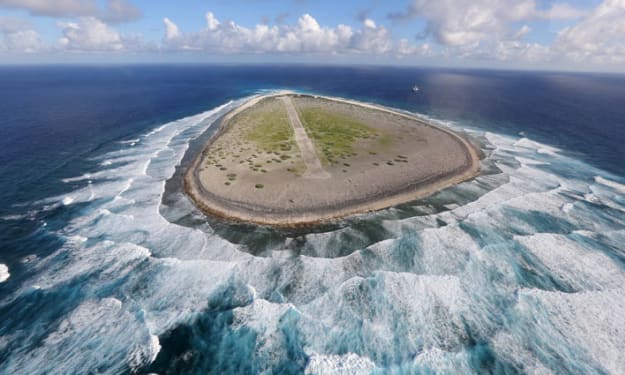
In the vast expanse of the Indian Ocean lies a speck of land barely visible on the world map. Today, it's known as Tromelin Island, but for a long time, it was simply called Sand Island. This tiny, flat islet, surrounded by coral reefs and battered by the relentless ocean, is a rather unremarkable place—the sort of sand spit that savvy sailors would sail straight past without a second thought. But there's nothing unremarkable about this island because it is home to one of the most remarkable tales in all of human history.
By Horace Waslandabout a year ago in History
The Thrill of the Turnaround: Exploring Unforgettable Moments in History
Sinopse Life is replete with instances where the tables turn in the most unexpected ways, leaving us in awe of the sheer unpredictability of fate. This story encapsulates the gripping account of an individual who, laden with the weight of a crime, braced for the inevitable judgement, only to find redemption and relief in an unforeseen acquittal. Through this narrative, we delve into the emotional whirlwind of guilt, the anticipation of punishment, and the exhilarating triumph of being exonerated.
By Rafael Fiuzaabout a year ago in History
The Aztec Blood Rituals
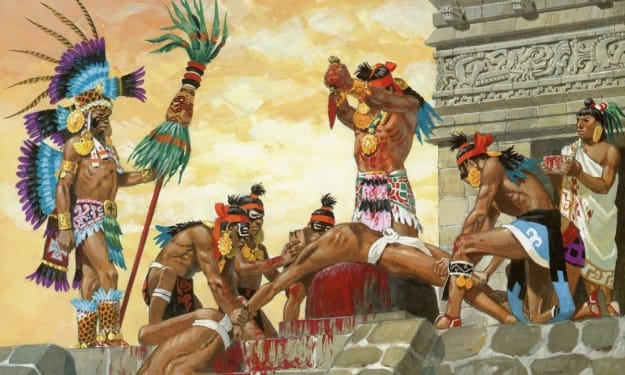
The Aztec Empire, a dominant force in pre-Columbian America, flourished in Central Mexico through a network of alliances and ruthless military conquests. Despite its brief existence of less than a century, the Aztec Empire left a profound mark on history with its massive stone temples, innovative farming techniques, and unique city planning. However, one of the most striking aspects of Aztec culture was their ritualistic practice of blood sacrifice. This post delves into the sacred significance of these rituals and what drove the Aztecs to center much of their religion and culture on the shedding of blood.
By Horace Waslandabout a year ago in History
The Song of Achilles
Introduction The Song of Achilles reimagines the legendary friendship and romance between Achilles, the greatest warrior of his age, and Patroclus, an exiled prince with a gentle heart. The novel delves deeply into themes of love, destiny, and the quest for immortality, set against the backdrop of the Trojan War. Written in lyrical prose, Miller's narrative captures the passion, beauty, and tragedy of this epic tale, exploring the complex emotions and events that lead to its inevitable conclusion.
By Ermelita T. Engracioabout a year ago in History
The Enigmatic Legacy of Queen Nefertiti
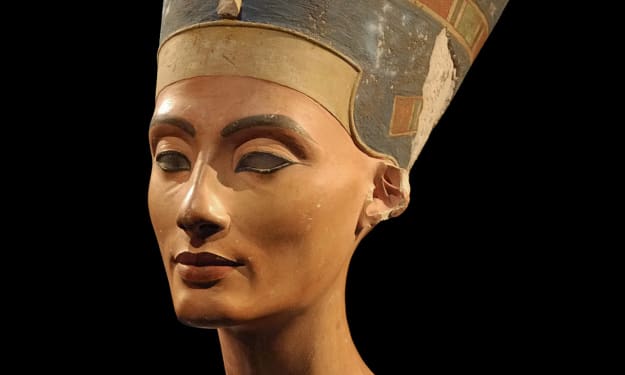
Queen Nefertiti remains one of the most iconic figures in ancient Egyptian history. Her fame is largely due to the striking bust discovered in 1912, which has become a symbol of ancient elegance and mystery. But Nefertiti’s life and legacy go far beyond this single artifact. This post explores her rise to power, her revolutionary role in religion, and the enduring intrigue surrounding her.
By Horace Waslandabout a year ago in History
The Insatiable Hunger
________________________________________ In the grand RPG of life on Earth, humans are the ultimate min-max build. We’ve maxed out our intellect, but our physical attributes are far from impressive. We're not particularly strong, fast, or resilient compared to other animals. Our swimming, climbing, and digging skills are subpar, and we lack any special adaptations like venom or camouflage.
By Horace Waslandabout a year ago in History