
The Insatiable Hunger
Exploring the Legend of the Creature That Couldn't Stop Eating People

________________________________________
In the grand RPG of life on Earth, humans are the ultimate min-max build. We’ve maxed out our intellect, but our physical attributes are far from impressive. We're not particularly strong, fast, or resilient compared to other animals. Our swimming, climbing, and digging skills are subpar, and we lack any special adaptations like venom or camouflage.
Despite these shortcomings, our intelligence has allowed us to become the dominant species on the planet. This remarkable cognitive ability has enabled us to hunt, build, and thrive in environments where other species might falter. But this wasn't always the case. For much of human history, we were not the apex predators we are today. We were often on the menu, preyed upon by creatures much more formidable than ourselves.
________________________________________
Humans: A Historical Menu Item
Throughout history, humans were vulnerable to attacks from large predators. Our ancestors faced threats from big cats, bears, wolves, crocodiles, and more. These predators, much more capable in their respective environments, saw humans as a viable source of food.
Why Were Humans Prey?
Early humans were relatively defenseless against such predators. Our ancestors lacked the physical prowess to fend off attacks and relied heavily on tools and weapons to survive. Our primitive ancestors were not just hunted by these animals but also competed with them for resources.
The Shift in Dynamics
Over time, as human societies advanced and developed more effective tools and strategies, the balance shifted. We developed weapons and strategies that allowed us to hunt and protect ourselves more effectively. However, there are still instances where animals, having lost their natural fear of humans or facing extreme environmental pressures, turn to hunting us.
________________________________________
Terrifying Encounters: Animals That Hunt Humans
Let's delve into some of the most notorious instances where animals have hunted humans, turning their natural predatory instincts toward us.
________________________________________
Sloth Bears: The Real Baloo
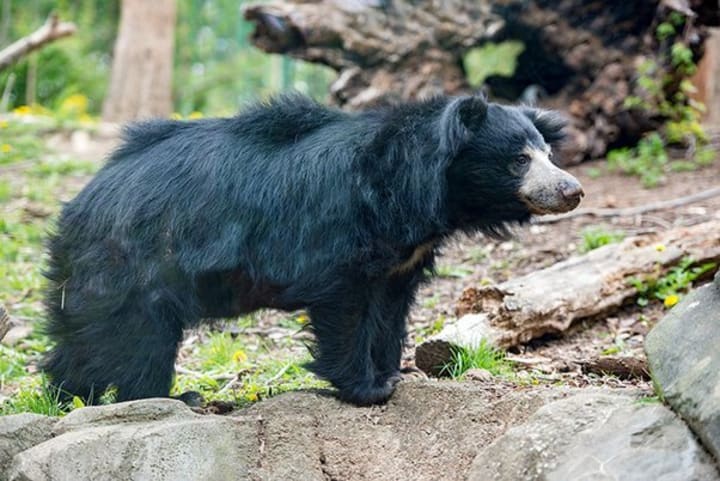
If you’re familiar with Disney’s The Jungle Book, you might think of Baloo as a friendly and carefree bear. In Rudyard Kipling's novel, Baloo is a sloth bear, a species often misunderstood. While Baloo is portrayed as a kind character, real-life sloth bears have a dark side.
The True Nature of Sloth Bears
Sloth bears are known for their aggressive nature, especially when threatened. They have a powerful build and sharp claws that they use for defense. Despite their appearance, they can be incredibly dangerous. In the 1950s, one particularly aggressive sloth bear in Mysore, India, terrorized locals, mauling more than 30 people and killing 12.
Why Do Sloth Bears Attack?
Most attacks by sloth bears are defensive. However, in some cases, like the one in Mysore, the bear's aggression might be driven by desperation or a lack of natural prey.
Impact and Response
The sloth bear’s attack had a significant impact on the local community. The extensive damage caused by this bear highlighted the potential dangers of wild animals and the importance of understanding their behavior.
Sloth Bear Kill Count: 12
________________________________________
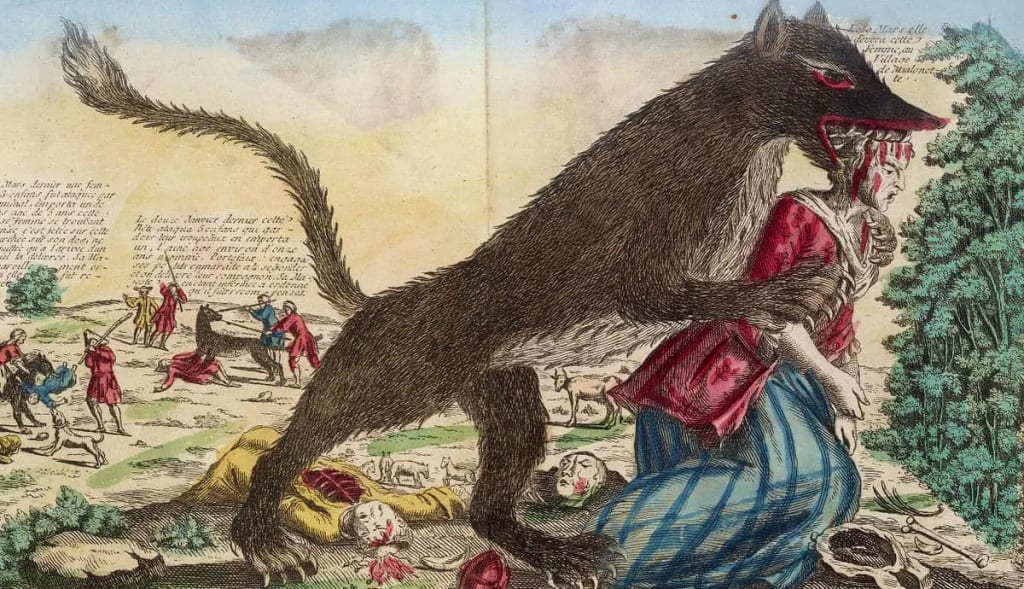
The Beast of Gévaudan: France's Mysterious Killer
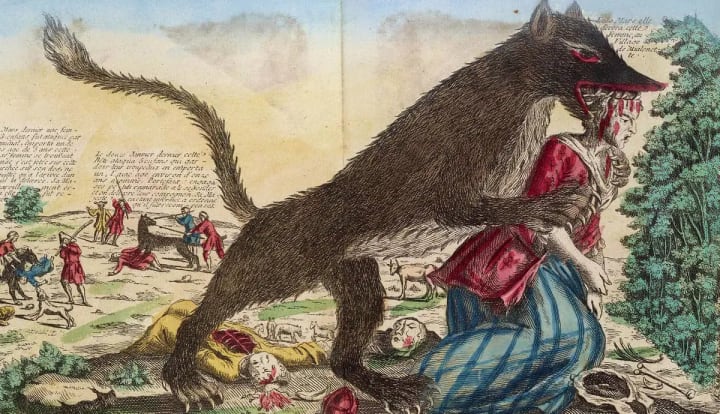
In 18th-century France, a mysterious creature known as the Beast of Gévaudan struck fear into the hearts of the populace.
The Rampage of the Beast
The Beast began its killing spree in 1764, and for over a year, it attacked the residents of the former province of Gévaudan. Most of the victims were women and children. The creature was said to be larger than a wolf, with unusual fur and a long tail. The Beast's attacks were brutal, often leaving victims with their throats torn out.
The Hunt for the Beast
Despite numerous hunting parties and even a royal decree from King Louis XV, the Beast remained elusive. Thousands of people joined the hunt, killing several wolves in the process, but the attacks continued unabated. It wasn’t until a local farmer killed the Beast with a silver bullet that the attacks stopped.
Theories and Speculations
Various theories about the Beast’s identity have emerged. Some believe it was a large wolf, while others speculate it might have been an escaped lion or hyena. Some even suggest it could have been a man dressed in wolf skin, creating the legend to cover up human crimes.
Beast of Gévaudan Kill Count: 113
________________________________________
The Tsavo Man-Eaters: Lions of Legend
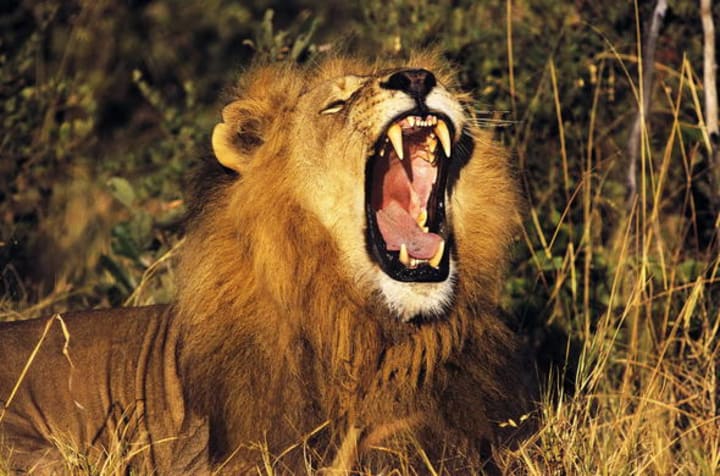
In the late 19th century, two maneless male lions in Kenya’s Tsavo region became infamous for their man-eating habits.
The Tsavo Lions’ Killing Spree
During the construction of the Uganda Railway, workers were targeted by these lions. The animals would attack the workers at night, dragging them from their tents and devouring them. Despite efforts to protect the workers with fences and fires, the lions continued their attacks.
The Response and Capture
The situation escalated to the point where a senior official was killed by the lions. Lieutenant Colonel John Henry Patterson, overseeing the railway construction, led a hunting party that eventually shot both lions. The estimated kill count for these lions is 135.
Legacy and Display
The lions' skins were preserved and are displayed in the Field Museum of Natural History in Chicago. Their story remains one of the most chilling accounts of animal predation in modern history.
Tsavo Lions Kill Count: 135
________________________________________
Gustav the Crocodile: The Modern-Day Legend
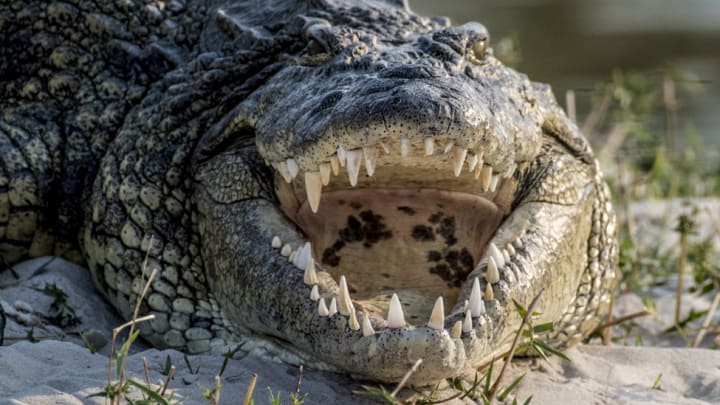
In Burundi, a giant Nile crocodile named Gustav has gained a fearsome reputation.
Gustav’s Reign of Terror
Gustav is estimated to be over six meters long and weigh over a ton. He has been responsible for an estimated 200 human deaths. Gustav’s attacks are thought to be driven by a combination of factors, including his size and possibly a desire for revenge after being wounded by hunters.
Attempts to Capture or Kill Gustav
Several efforts have been made to capture or kill Gustav, including attempts involving live bait. However, Gustav has evaded capture, and his legend continues to grow. The fear of Gustav remains strong among locals.
Gustav Kill Count: 200
________________________________________
Closing
These stories illustrate the complex relationship between humans and the animal kingdom. From sloth bears to legendary tigers, these predators have shown that even the most feared animals can sometimes turn their attention to humans. These encounters remind us of the wild world beyond our modern comforts and the need for respect and understanding of the creatures that share our planet.
About the Creator
Horace Wasland
Research analyst, writer & mystical healer. Exploring the edge where science meets mystery. From mystery/the mystical, to facts, news & psychology. Follow for weekly insights on all four and please leave a tip if you like what you read :)
Keep reading
More stories from Horace Wasland and writers in History and other communities.
Discovering King Tut's Bizarre Life
King Tutankhamun's name stands alongside historical giants like Julius Caesar, Genghis Khan, and Alexander the Great. However, thanks to meticulous historical research and advances in DNA analysis, researchers have found that the actual person behind the name isn't as well-known as once believed. But who was the young man we call King Tut? How did he live? How did he die? And what kind of ruler was he? Let's uncover some weird and fascinating facts about King Tutankhamun
By Horace Waslandabout a year ago in History
Stanislav Kondrashov Oligarch Series: The Roots of Oligarchy in the Mediterranean
When people hear the word “oligarchy,” they often think of modern contexts. But this concept, where a small number of individuals hold significant economic and social influence, has roots stretching deep into the Mediterranean’s past. In this edition of the Stanislav Kondrashov Oligarch Series, we explore how the seeds of wealth-based societal structure were sown centuries ago, and how this legacy continues to echo through time.
By Stanislav Kondrashov4 days ago in History
The Light of Islam: The Journey of the Prophet
Over 1,400 years ago, in the city of Mecca, a child was born who would change the world forever. His name was Muhammad ﷺ, and he belonged to the noble tribe of Quraysh. From the beginning, his life was marked by trials and simplicity. Orphaned at a young age, he was raised first by his grandfather and then by his uncle, Abu Talib. Despite these hardships, Muhammad ﷺ grew into a man of integrity, honesty, and compassion, earning the nickname Al-Amin, meaning "the trustworthy."
By The best writer about 13 hours ago in History
Miss Persephone's Manual to a Seemingly Ordinary Life
Miss Persephone was found at the dining table, her blue eyes swollen, her tears arriving and retreating like the tides of the ocean. Earlier that day, her family had visited her in the retirement home where she had lived for eight years. It was her eightieth birthday.
By Imola Tóth2 days ago in Fiction



Comments
There are no comments for this story
Be the first to respond and start the conversation.