
The Aztec Blood Rituals
Understanding the Sacred Significance

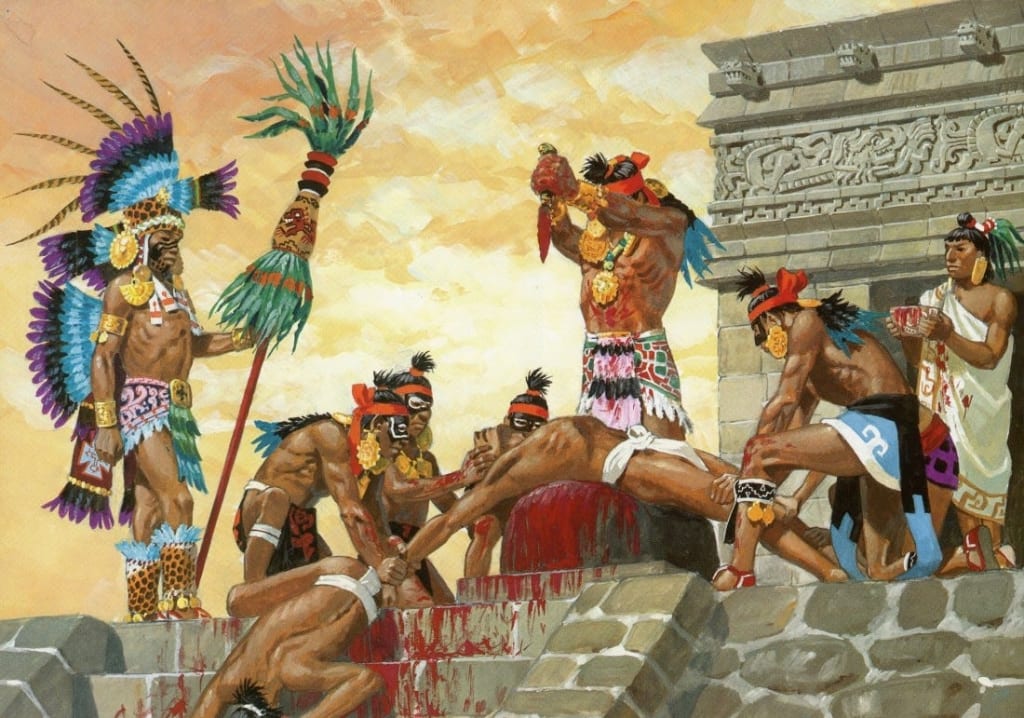
The Aztec Empire, a dominant force in pre-Columbian America, flourished in Central Mexico through a network of alliances and ruthless military conquests. Despite its brief existence of less than a century, the Aztec Empire left a profound mark on history with its massive stone temples, innovative farming techniques, and unique city planning. However, one of the most striking aspects of Aztec culture was their ritualistic practice of blood sacrifice. This post delves into the sacred significance of these rituals and what drove the Aztecs to center much of their religion and culture on the shedding of blood.
The Pantheon of Aztec Gods
Aztec religion was polytheistic, with a pantheon of gods and goddesses overseeing various aspects of life. Among these, Huitzilopochtli, the god of the sun, held a particularly prominent role. Unlike many other cultures where sun gods are central, the Aztecs' devotion to Huitzilopochtli was expressed through elaborate and often brutal rituals.
The Concept of Sacrifice
The Aztecs believed their existence and the stability of the cosmos depended on the gods' sacrifices. Myths tell of gods sacrificing themselves to create and sustain the universe. This concept of divine debt meant that humans were expected to continually offer sacrifices to show their gratitude and ensure the gods' favor. Bloodletting and human sacrifice were integral to this belief system.
Ritual Practices
Self-Mutilation: Aztec priests and elites often performed self-mutilation as a form of sacrifice. Using obsidian blades or thorn-covered ropes, they would cut or pierce various body parts to draw blood. For example, during the Binding of the Years, an important ritual marking the end of both Aztec calendars, participants would cut their tongues, ears, or genitals to offer blood to the gods. The collected blood was burned, with the smoke rising as the offering.
Human Sacrifice Rituals: Human sacrifices varied depending on the deity:
• Sun God Ritual: Victims were taken to the top of the main temple, where a high priest would cut open their abdomen to remove the still-beating heart. The heart was held up to the sky before the body was pushed down the temple stairs. The body was often presented to warriors for ritualistic cannibalism.
• Fire Ceremony: For sacrifices to the god of flame, victims were taken to the top of a volcano. Their heart was removed, and a fire was lit inside the hollowed chest cavity. This fire was then shared throughout the empire, symbolizing the divine gift of heat and light.
• Combat Sacrifices: Victims chosen for the god of destiny faced ritualistic combat. They were placed in an arena to fight elite Aztec warriors. This practice was akin to gladiatorial games, where the aim was not to kill but to capture and sacrifice the opponent.
• Agricultural Sacrifices: Sacrifices to the god of agriculture involved the victim living as a god for a period, enjoying luxuries before being sacrificed. This could involve being skinned alive, with the skin worn by another person during ceremonial processes.
• Rain God Sacrifices: The most disturbing ritual was for the rain god. Child sacrifices were performed, with the children tortured to extract as many tears as possible before their death by fire. This ritual was believed crucial for ensuring rainfall and preventing disease.
The Role of Sacrificial Victims
Sacrificial victims were often prisoners of war or slaves. The Aztecs had a unique practice called the "Flower Wars," where they waged warfare not to conquer but to capture prisoners for sacrifice. During these wars, Aztec warriors used weapons designed to incapacitate rather than kill, ensuring a steady supply of captives. The practice was so integral that the Aztecs even refrained from fully conquering some regions to maintain a source of sacrifices.
Spanish Conquest and Reactions
When Spanish conquistadors, led by Hernán Cortés, arrived in Mexico in 1519, they were horrified by the Aztec rituals. Eyewitness accounts describe scenes of blood-soaked temples and gruesome sacrifices. Bernal Díaz, a Spanish chronicler, wrote extensively about the heart-extraction rituals and the consumption of sacrificial flesh. The Spaniards, initially expecting fierce resistance, found many local tribes eager to ally with them against the Aztecs due to their brutal practices.
The fall of Tenochtitlán, the Aztec capital, marked the end of these horrific rituals. The Spanish conquest and subsequent European dominance led to the cessation of such practices, but the impact of Aztec blood rituals remained a potent symbol of their civilization's complexity and brutality.
Legacy and Controversy
Historians estimate that the Aztecs performed at least 20,000 sacrifices annually, though some accounts suggest figures as high as 100,000 during significant ceremonies. While some modern scholars argue that these numbers may have been exaggerated by the Spanish, the evidence from Aztec engravings, archaeological findings, and contemporary accounts supports the existence of these extreme practices.
The legacy of Aztec blood rituals is a stark reminder of the diverse and often shocking ways in which human cultures have expressed their spiritual beliefs. Understanding these rituals helps provide a fuller picture of the Aztec civilization and the complex interplay between religion, power, and societal norms in pre-Columbian America.
About the Creator
Horace Wasland
Research analyst, writer & mystical healer. Exploring the edge where science meets mystery. From mystery/the mystical, to facts, news & psychology. Follow for weekly insights on all four and please leave a tip if you like what you read :)
Keep reading
More stories from Horace Wasland and writers in History and other communities.
Vlad the Impaler
To some, he was the very embodiment of evil—a psychopathic incarnation of the Devil himself. To others, he was a god-fearing defender of the faith, courageously standing up to the feared Ottoman Empire. In his time, he was known as Vlad the Impaler, thanks to his favorite method of execution. Today, we remember him as the real-life inspiration for Bram Stoker’s infamous prince of darkness. In this post, we delve into the gruesome truth about the real Vlad Dracula.
By Horace Waslandabout a year ago in History
Savoy Hotel – Mussoorie: The Colonial Luxury Hotel Where an Unsolved Murder Still Walks the Corridors
The First Night: Beauty Wrapped in Silence Mussoorie looks peaceful from a distance. Pine trees sway gently, clouds roll like slow-moving waves, and the hill air smells of rain and old earth. But as evening falls, the silence becomes heavier—almost watchful.
By Gaurav Guptaa day ago in History



Comments
There are no comments for this story
Be the first to respond and start the conversation.