
St. David’s Day: A Guide to Wales’ Most Beloved Tradition
History, Traditions, and Symbols of Wales’ Vibrant Celebration

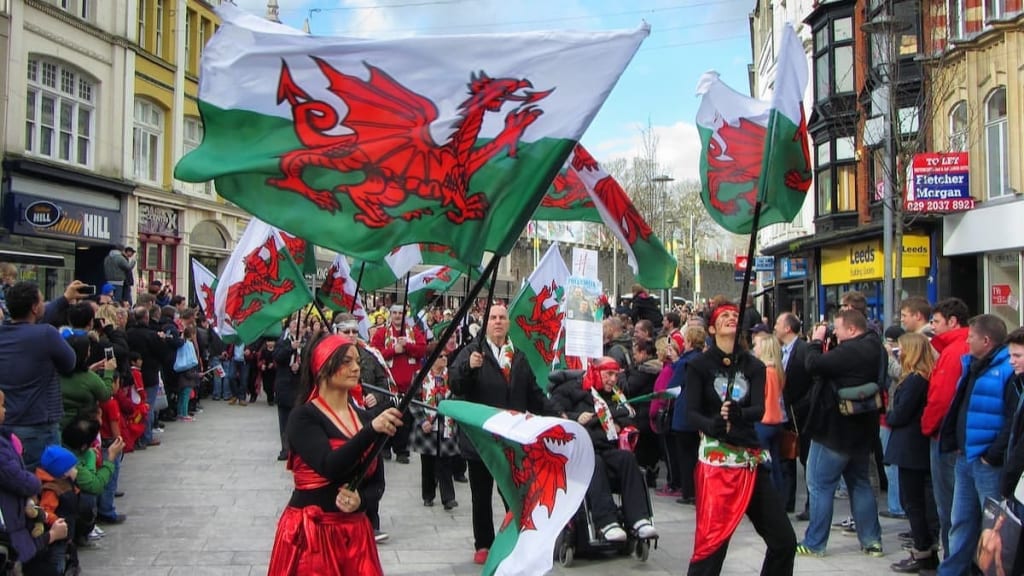
Every year on March 1st, Wales comes alive with parades, singing, and the vibrant colours of daffodils and leeks. But what is the story behind St. David’s Day, and why is it so important to the Welsh people? Whether you’re Welsh, have Welsh heritage, or simply love learning about cultural traditions, this guide will take you through the history, symbols, and celebrations of Wales’ most beloved holiday.
Who Was St. David?
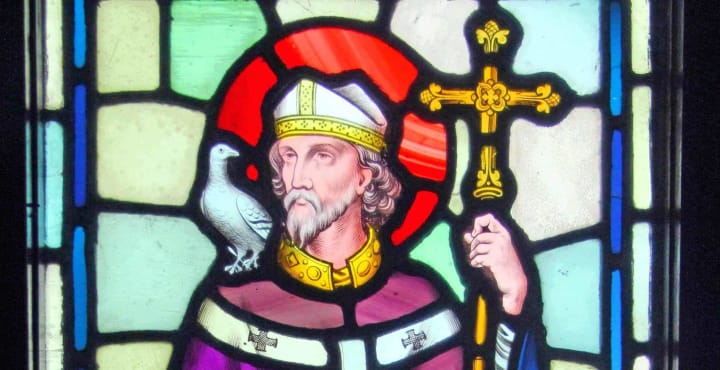
St. David, or Dewi Sant in Welsh, is the patron saint of Wales. Born in the 6th century, he was a monk and bishop known for his piety, simplicity, and miracles. One of his most famous miracles? Legend has it that while preaching to a large crowd, the ground beneath him rose up so everyone could see and hear him clearly.
St. David’s last words were, “Be joyful, keep the faith, and do the little things.” This phrase, “Gwnewch y pethau bychain” in Welsh, is still a guiding principle for many today. His legacy lives on not just in Wales but around the world, where Welsh communities celebrate his life and teachings.
Why Do We Celebrate St. David’s Day?
St. David’s Day is celebrated on March 1st, the date of his death in 589 AD. Over the centuries, it has evolved from a religious observance to a national celebration of Welsh culture, identity, and pride. It’s a day to honor St. David’s legacy and to celebrate everything that makes Wales unique—its language, music, food, and traditions.
Traditions and Celebrations
St. David’s Day is a vibrant celebration filled with music, food, and community spirit. Here’s how the Welsh celebrate their patron saint:
1. Parades and Festivals

Cities and towns across Wales host parades, with the largest being the National St. David’s Day Parade in Cardiff. People dress in traditional Welsh costumes, and the streets come alive with music and dancing.
2. Music and Dance
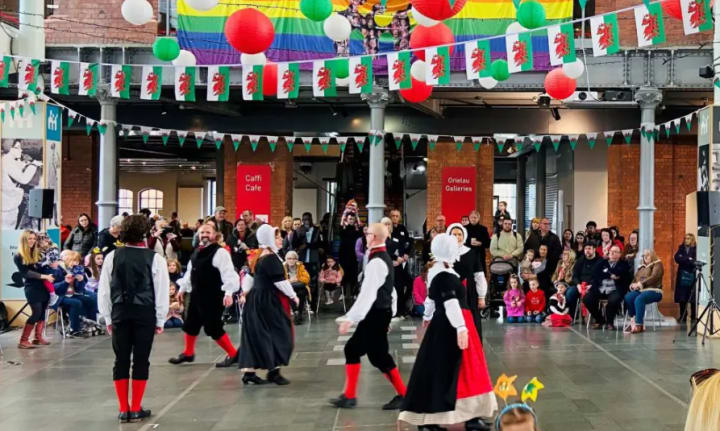
Traditional Welsh songs, like “Calon Lân” (A Pure Heart), are sung with pride. Folk dances, such as the Welsh clog dance, are also a big part of the celebrations.
3. Food
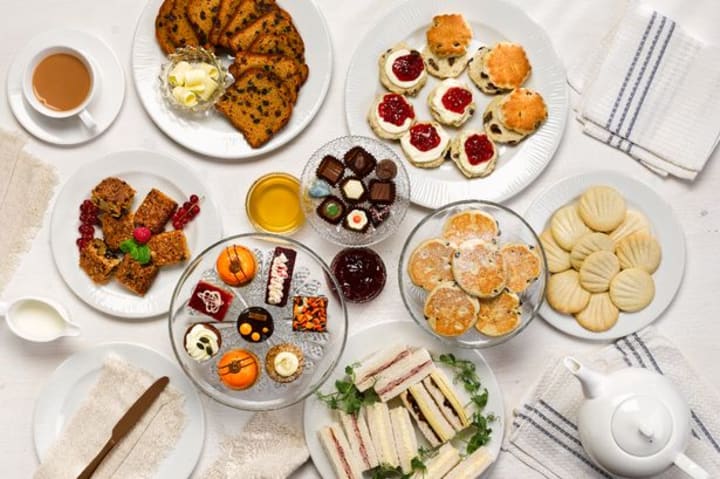
No St. David’s Day is complete without traditional Welsh dishes. Cawl, a hearty lamb and vegetable soup, is a staple, as are Welsh cakes—sweet, griddle-cooked treats that are perfect with a cup of tea.
4. School Celebrations
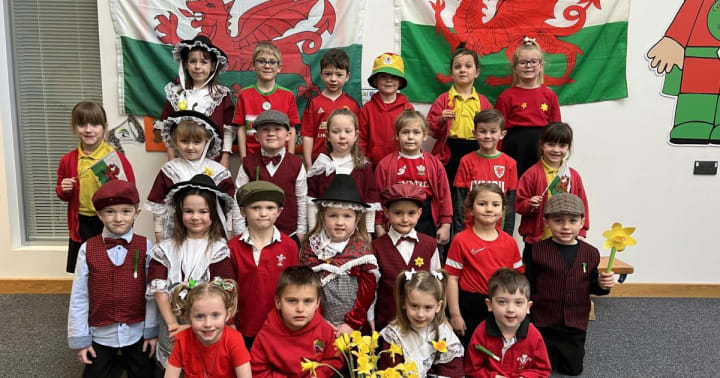
Children often dress in traditional Welsh costumes, with girls wearing tall black hats and red cloaks, and boys sporting waistcoats and flat caps. Schools host concerts where students perform songs, poems, and dances.
The Symbols of St. David’s Day
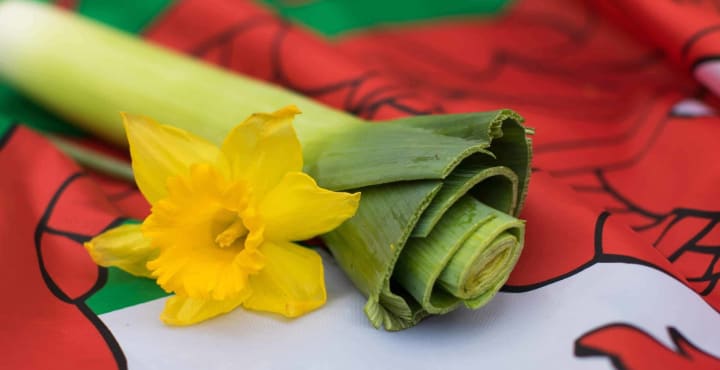
Two symbols are closely associated with St. David’s Day: the leek and the daffodil. But why these two?
The Leek
According to legend, St. David advised Welsh soldiers to wear leeks on their helmets during a battle against the Saxons. The leeks helped them distinguish friend from foe, leading to a Welsh victory. Today, wearing a leek on St. David’s Day is a symbol of Welsh pride.
The Daffodil
The daffodil, with its bright yellow petals, is a more modern symbol of St. David’s Day. It blooms in early spring, making it a fitting emblem for renewal and celebration. Many people wear daffodils or use them to decorate their homes.
How to Celebrate St. David’s Day (Even If You’re Not Welsh)

You don’t have to be Welsh to join in the celebrations! Here are some fun and easy ways to celebrate St. David’s Day, no matter where you are:
1. Cook a Traditional Welsh Meal
Try making cawl or baking Welsh cakes. These dishes are simple, delicious, and a great way to connect with Welsh culture.
2. Wear a Leek or Daffodil
Pin a leek or daffodil to your clothing to show your support for Welsh traditions. It’s a small gesture that goes a long way!
3. Learn a Welsh Phrase
Impress your friends by learning a few Welsh words or phrases. For example:
- “Dydd Gŵyl Dewi Hapus!” (Happy St. David’s Day!)
- “Cymru am byth!” (Wales forever!)
4. Listen to Welsh Music
From traditional folk songs to modern Welsh artists, there’s plenty of music to enjoy. Try listening to Tom Jones, Charlotte Church, or the iconic Welsh hymn “Bread of Heaven.”
5. Share the Celebration on Social Media
Use hashtags like #StDavidsDay or #DyddGŵylDewi to join the global conversation and share how you’re celebrating.
The Global Impact of St. David’s Day
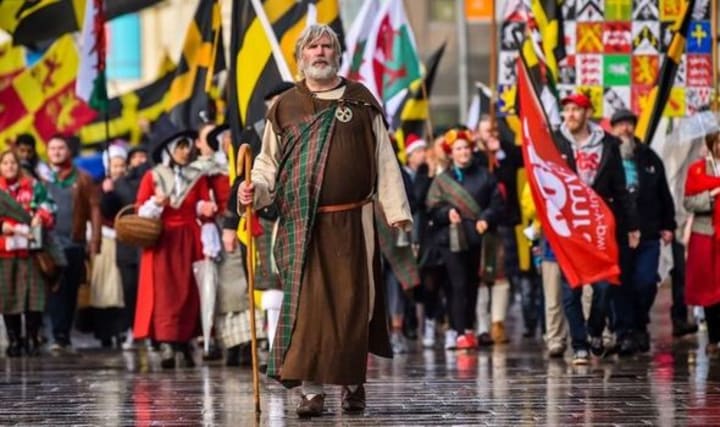
St. David’s Day isn’t just celebrated in Wales—it’s a global event! Welsh communities around the world, from the United States to Australia, host parades, concerts, and cultural events to honor their heritage. It’s a testament to the enduring legacy of St. David and the pride of the Welsh people.
Why St. David’s Day Matters
St. David’s Day is more than just a celebration of a saint; it’s a celebration of Welsh identity, culture, and community. It’s a reminder to “do the little things”—to find joy in the small moments and to take pride in who you are. Whether you’re Welsh or simply curious, St. David’s Day is a wonderful opportunity to celebrate joy, faith, and the little things that make life special.
Final Thoughts
So, this March 1st, why not join in the celebrations? Cook a Welsh meal, wear a daffodil, or simply learn more about this fascinating tradition. After all, as St. David said, “Be joyful, keep the faith, and do the little things.”
Dydd Gŵyl Dewi Hapus! (Happy St. David’s Day!)
If you found this useful please like, comment and share. And if you want more articles like this in future please make sure to Subscribe
About the Creator
Keep reading
More stories from Bevy Osuos and writers in History and other communities.
Trump-Zelensky Meeting Ends Abruptly – What It Means for U.S. Ukraine Relations
The recent meeting between former U.S. President Donald Trump and Ukrainian President Volodymyr Zelenskyy took a dramatic turn, ending abruptly after a heated exchange. The unexpected breakdown of talks has raised significant concerns about the future of U.S. support for Ukraine and the broader implications for global geopolitics. Here’s what happened and what it could mean for U.S.-Ukraine relations moving forward.
By Bevy Osuos11 months ago in The Swamp
A woman from a vanished female dynasty was discovered buried with 270,000 beads.
In a Copper Age tomb close to Seville, Spain, the Montelirio bead assemblage contains over 270,000 beads that identify the ladies buried there as elites. The discovery is the biggest collection of beads ever
By Francis Damia day ago in History
The Prophet of Mercy: How Compassion Transformed Enemies into Believers
In the heart of Arabia, in the ancient city of Makkah, society was built on tribal loyalty, power, and pride. Wealth and lineage determined a person’s worth, while the weak were often oppressed without mercy. The Kaaba, originally built for the worship of One God, was filled with idols, and injustice had become a normal part of life. In this harsh and divided environment, Hazrat Muhammad ﷺ emerged—not as a king or warrior, but as a man whose truth, patience, and compassion would forever change the course of human history.
By The best writer 5 days ago in History



Comments
There are no comments for this story
Be the first to respond and start the conversation.