
Skara Brae: A Well-Preserved Neolithic Village in Scotland
A Time Capsule from the Neolithic Era

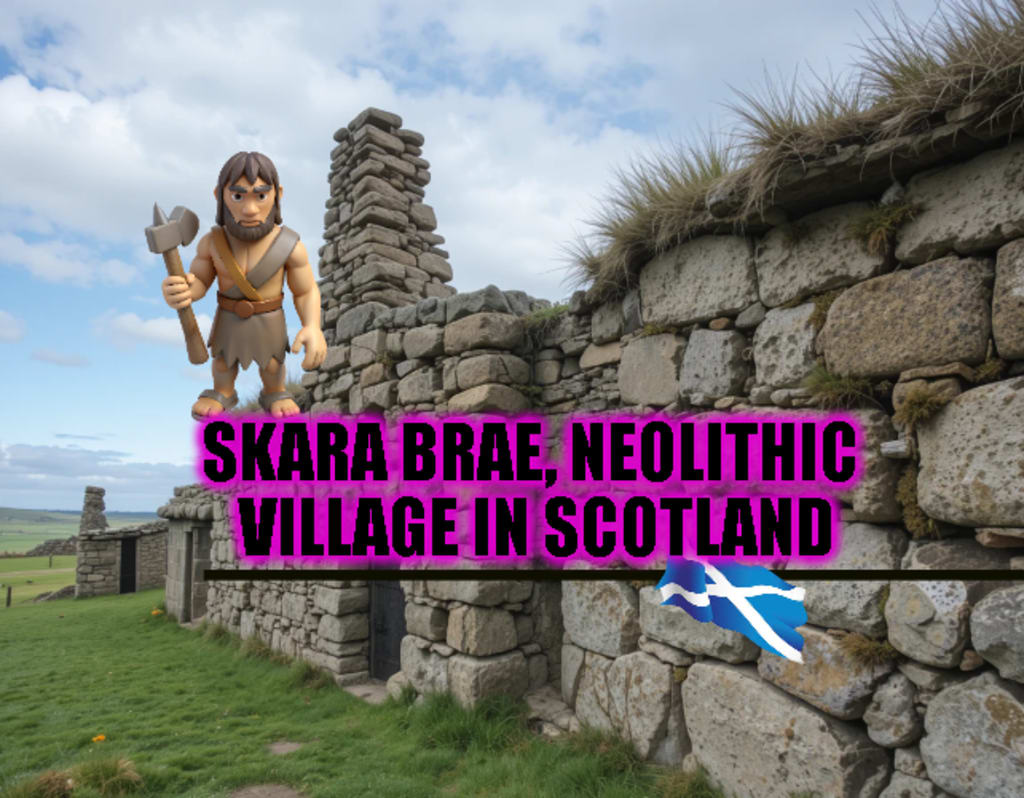
Nestled on the rugged, windswept coast of Orkney, an archipelago off the northern coast of Scotland, lies Skara Brae, a prehistoric village that provides a rare and extraordinary glimpse into human life approximately 4,500 years ago. Recognized as one of the most complete and well-preserved Neolithic settlements in Europe, Skara Brae has fascinated archaeologists, historians, and visitors alike for centuries.

Discovered largely by chance following a violent storm in 1850, the site has since become an emblem of prehistoric ingenuity and resilience, offering insights into the lives of some of Europe's earliest settled communities. Today, it is a designated UNESCO World Heritage Site, attracting tourists and scholars alike, eager to step into a stone age world frozen in time.
The Orkney Islands are a cluster of about 70 islands, characterized by rugged coastlines, fertile plains, and a rich archaeological history stretching back millennia. The climate is maritime—mild but often stormy—and the islands are imbued with a landscape that has shaped human settlement for thousands of years.
Skara Brae sits on the western coast of Mainland Orkney, overlooking the North Sea. Its strategic location provided access to rich fishing grounds and resources vital for early inhabitants. The site is part of a broader cultural landscape that also includes stone circles, burial cairns, and other Neolithic monuments such as the Ring of Brodgar and the Standing Stones of Stenness.

Discovery and Archaeological Significance . The Unexpected Finding in 1850
The story of Skara Brae’s rediscovery begins dramatically. On 24 January 1850, a fierce storm battered the Orkney coast, exposing a large mound of rubble and sand. Local residents initially believed it was the aftermath of a recent storm or a natural formation, but curiosity prompted excavations.
The following summer, a team of local fishermen, guided by the landowner, Sir William Graham, began to carefully excavate the site. What they uncovered was astonishing: a well-preserved stone village dating from the late Neolithic period, around 2500 BCE. Unlike typical archaeological sites, Skara Brae was practically intact, with roofless stone dwellings revealing interior furnishings, hearths, and domestic artifacts.
In the late 19th and early 20th centuries, further excavations revealed more about the site's layout and function. Researchers recognized that this was not a single building but an entire community of about ten stone houses interconnected by passageways. The site remained buried by drifting sand for centuries, preserving it remarkably well.
The discovery temporarily stunned the archaeological world, as it provided a rare snapshot of human life in the Neolithic era—long before the advent of writing, metal tools, or monumental architecture.

The Architecture and Layout of Skara Brae . The Settlement Structure
Skara Brae consists of at least eight prehistoric houses built into the natural landscape. These dwellings are characterized by their low, stone-built structures with board and stone furniture, indicating a highly organized and specialized community.
Houses: Each house is roughly 20-30 feet long and 13-15 feet wide, featuring a central hearth, sleeping benches, storage compartments, and walls reinforced with turf and stone.
Passageways: The houses are interconnected through a series of stone passageways, facilitating movement and social interaction within the community.
Roofing: The structures originally had roof slabs or turf roofs, which have long since disappeared, but the remaining stone walls provide evidence of their construction.
Interior Features and Domestic Life
Within each dwelling, archaeologists found evidence of domestic life:
Furnishings: Stone beds or seats, cupboards, and storage jars.
Tools and Artifacts: Stone tools, arrowheads, and polished implements suggest a community engaged in hunting, fishing, and farming.
Food Storage: Cellar-like areas beneath some houses contained shells, bones, and plant remains, indicating a diet based on sea and land resources.
The builders used local sandstone and turf, shaping stones with crude tools but demonstrating sophisticated planning and craftsmanship. The compact, durable construction allowed for long-term habitation and remarkable preservation.

Daily Life and Society in Skara Brae . Subsistence and Economy
Based on archaeological findings, the inhabitants of Skara Brae engaged in a mixed economy that combined hunting, fishing, gathering, and possibly some early agriculture.
Hunting and Marine Resources: Fish, shellfish, and sea mammals were staples. Fishbones, shell remnants, and fishing tools found at the site confirm the importance of the sea.
Land Resources: The community also gathered edible plants and hunted land animals such as deer and birds.
Tools and Implements: Stone knives, scrapers, arrowheads, and polished tools suggest skilled craftsmanship and a deep understanding of their environment.
Storage of Food: Underground storage pits and stone cupboards indicate that they preserved surplus food, allowing them to endure periods of bad weather or scarcity.
While no explicit remains point to social hierarchies or distinctions, the organization of the village suggests a cohesive, possibly egalitarian society. Shared communal spaces and similar-sized houses imply that the inhabitants had relatively equal status.
However, some scholars propose that certain houses—based on size or location—might have belonged to leaders or shared special functions. The presence of personal decorations or prestige objects is limited, leading some to believe that societal divisions were minimal or based on kinship.

Inside the houses, archaeologists uncovered:
Furniture: Stone and turf beds, some with wooden plank bases, suggest comfort and defined sleeping areas.
Furnaces and Hearths: Evidenced by fire pits and soot-stained floors, used for cooking and heating.
Storage: Large stone cupboards and sealed pits stored food, tools, and other domestic items.
Cultural Artifacts: Bone and antler tools, small figurines, and jewelry indicate personal adornment and possibly ritual practices.
While direct evidence of religious practices is scarce, the presence of carved stones, figurines, and ochre paints suggests spiritual or ritual significance. Some scholars speculate that certain artifacts could have been used in ceremonies related to fertility, seasonal changes, or ancestral worship.
Skara Brae is the most complete Neolithic village in northwest Europe, with a remarkably intact layout that provides insight into early domestic architecture, community planning, and daily life.

A Window into Early Society
The site challenges assumptions about prehistoric life by demonstrating that complex, organized communities existed thousands of years before the Bronze Age. The sophistication of stone tools and construction methods attests to a relatively advanced culture.
Analysis of animal bones, pollen, and shell middens reveals a temperate but sometimes unpredictable climate, with the inhabitants adapting their lifestyle to seasonal changes and environmental challenges.
Skara Brae is part of a broader landscape of prehistoric monuments in Orkney, such as the Ring of Brodgar and the Standing Stones of Stenness, forming a landscape rich in ceremonial and social importance.
After its discovery in 1850, Skara Brae remained largely exposed and subject to weathering. By the early 20th century, concerns about deterioration prompted conservation efforts.
In the 1920s and 1950s, archaeologists undertook major repairs to stabilize the remaining structures. In 1999, it was designated a UNESCO World Heritage Site, ensuring ongoing protection and management.
Today, Skara Brae is carefully preserved as a national archaeological treasure. Protective fencing, informative signage, and guided tours help visitors appreciate its significance while safeguarding the site from deterioration.
Located on the West Mainland of Orkney, Skara Brae is easily accessible from the main towns and the Orkney Visitor Centre. Guided tours offer detailed insights into its history, and onsite facilities include a visitor’s center with exhibitions, a cafe, and gift shop.
What Visitors Can See
The Village Layout: Walk through the reconstructed houses and see the arrangement of rooms.
Exhibits: Learn about Neolithic life through artifacts, reconstructions, and multimedia displays.
The Landscape: The dramatic coastal scenery complements the archaeological site, emphasizing the connection between the people and their environment.

Archaeologists continue to excavate and study Skara Brae and its surroundings, uncovering new artifacts, environmental data, and insights into Neolithic life. Modern techniques, including underwater archaeology and remote sensing, may reveal additional secrets beneath the sands and in surrounding landscapes.
About the Creator
Kek Viktor
I like the metal music I like the good food and the history...
Keep reading
More stories from Kek Viktor and writers in History and other communities.
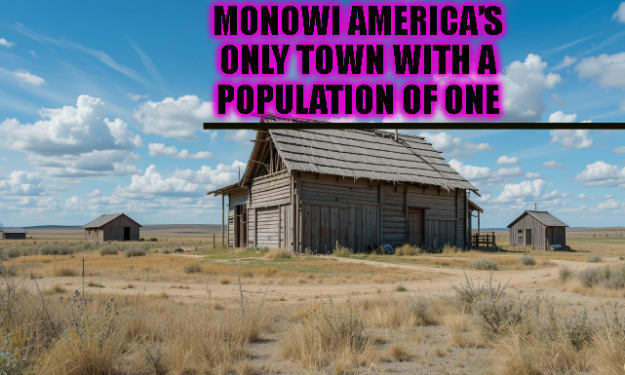
Monowi America’s Only Town with a Population of One
In the vast expanse of the American Midwest, where small towns have been steadily shrinking over the past century due to economic shifts, urbanization, and demographic changes, one town stands out as uniquely singular: Monowi, Nebraska. As of today, Monowi holds the distinction of being the only incorporated municipality in the entire United States with a population of just one person. This remarkable community has captured the imagination worldwide, symbolizing resilience, nostalgia, and the quiet persistence of small-town America. Its story revolves around one woman—Elsie Eiler—who embodies the spirit of Monowi, acting as its mayor, librarian, bartender, and sole resident.
By Kek Viktor8 months ago in History
No ICE, No KKK, No Fascist USA
"I don't 'do' politics." Politics will do you, regardless. Watching from the sidelines for the last year I can see far too many similarities in the way Trump's ICE Gestapo is to Nazi Germany. Considering the United States just invaded Venezuela and kidnapped their President and his wife I would say we are there.
By Lyvia Jack4 days ago in History
3 Moments When Reality Accidentally Became a Horror Movie
Horror movies usually rely on a simple agreement with the audience: this could never really happen. Ghosts follow rules, monsters have weaknesses, and there’s always a clear point where reality hands the story over to fiction. Real life, unfortunately, does not care about narrative structure, logic, or closure.
By Enoch Sagini3 days ago in History


Comments
There are no comments for this story
Be the first to respond and start the conversation.