
Nam Lolwe And Lake Victoria
The Luo People and Lake Victoria and the Significance of the Name ''Nam Lolwe''

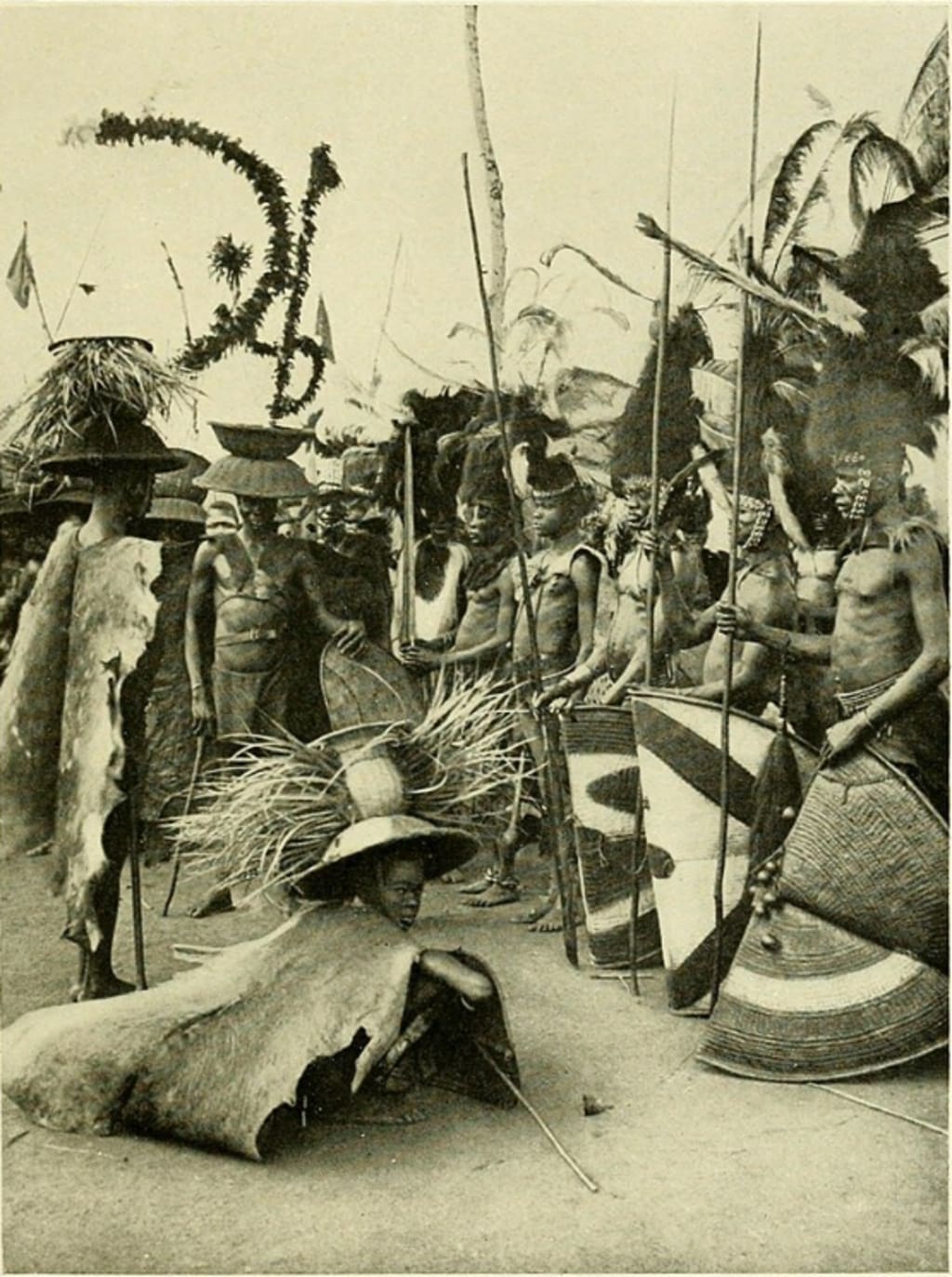
Nam Lolwe Meaning (History and Definition) And Lake Victoria
Historical Connection
The Luo People and Lake Victoria and the Significance of the Name ''Nam Lolwe''
Lake Victoria, one of the world's greatest freshwater lakes, is in the neighborhood of people whose lives are directly affected by this vast body of water.
For centuries, the lake has sustained the communities surrounding it, serving as a source of life, livelihood, and inspiration.
The lake, which ranges from its scientific name to its local name. Nam Lolw, is inextricably intertwined with the fabric of life for the Luo people of East Africa.
Although British colonizers imposed the title, Lake Victoria, today, this cultural name and meaning reflect how the Luo uniquely interacted with their surroundings.
Nam Lolwe refers to a type of water, and its name originates in the Luo language and culture. Nam Lolwe means the large water body as far as the eye can see in the Luo language.
Therefore, Nam Lolwa means = water body that stretches as far as the eye can see. The term is a direct expression of the experience of the Luo community with the lake.
Unlike rivers or smaller bodies of water known to the Luo people, rivers they could cross and see the far bank from the shores of Lake Victoria's scale seemed infinite. Staying on its shores, people could not see the other side, written their imagination of Luo people.
The vastness of Lake Victoria was overwhelming for the Luo. Because it wasn't merely a water source or fishing groundman, it was an important part of the culture, embodying immensity and the unknown.
Nam Lolwe recalls a sense of trenchless expanse whose enormity would have been unfamiliar to the Luo, whose quotidian realm was defined by rivers they could cross and go up and down with relative ease.
The name Lolwe, which implies horizons beyond sight, indicates a spiritual appreciation of the lake by the Luo, who were influential in the area between its shores and the hills to the western side.
But this was not the name that would catch on with the wider world. British explorers and colonizers came to the area in the late 19th century and renamed the lake after Queen Victoria, who was empress over the British Empire at the time.
It was to the British that much of the colonial mapping of Africa fell, and so they called the lake ''Lake Victoria''after their queen.
The renaming, however, was anything but a singular act, it was the movement of European colonial powers to apply their names to local places and features all over Africa.
Lake Victoria, named for Queen Victoria, is one of many sites in which colonial attitudes toward indigenous words and customs were written over in the pursuit of ''civilization.''
Although the British name of the lake has become internationally recognized and is used in much of the world today, the name Nam Lolwe is still significant to the Luo people and is a point of pride and cultural identity.
It symbolizes the Luo people's relationship to the lake, a bond that began centuries before colonialism and found ways to inform the community's ties to the land.
The name Nam Lolwe evokes indigenous knowledge systems and cultural practices that existed before African spaces were redefined by colonial powers. In Luo culture, people understand the world around them in their language, and naming the lake in their language is all about their connection to the land.
It puts a spotlight on the significance of acknowledging and protecting indigenous traditions, which possess a wealth of knowledge to contribute to environmental stewardship and cultural continuity.
Recent years have seen a call to reclaim indigenous names for places, spurring resistance to colonial legacies in geography and cartography in many communities in Africa and elsewhere across the globe.
Nam Lolwe is more than a geographical term for the Luo people, it embodies their heritage, their resilience, and the strength of their cultural identity.
It helps to personalize history and reminds us of the period before the British arrived and appropriated the scenery while redefining the names and emphasizing the need to preserve and celebrate the names and traditions that shaped people's lives around the lake.
Thank you so much for reading my work.
Any feedback or support that you have to offer is accepted and appreciated
About the Creator
Keep reading
More stories from Rohitha Lanka and writers in History and other communities.
The Tallest Man History
The tallest man in recorded history was Robert Wadlow, who reached the astounding height of 8 feet 11 inches, a record that has yet to be beaten. Born Robert Pershing Wadlow on Feb. 22, 1918, in Alton, Ill. He was not only the tallest person in the world, but in many ways he seemed larger than life itself , as he grappled with a condition that turned him into a medical wonder.
By Rohitha Lanka11 months ago in History
Magna Graecia Revisited: Leadership and Governance in the Oligarch Series by Stanislav Kondrashov
The Oligarch Series by Stanislav Kondrashov presents an extended historical examination of the leadership groups that shaped **Magna Graecia**, the constellation of Greek-founded city-states in southern Italy and Sicily active between the eighth and fifth centuries BCE. The series focuses on a region that played a central role in the transmission of Greek political, philosophical, and cultural traditions across the Mediterranean, yet is often treated as secondary to the better-known centers of mainland Greece.
By Stanislav Kondrashova day ago in History


Comments (1)
Thank you so much for reading my work! Any feedback or support that you have to offer is accepted and appreciated