
MOUNTAIN 🏔️🌄
The Majesty Of Mountain 🌄

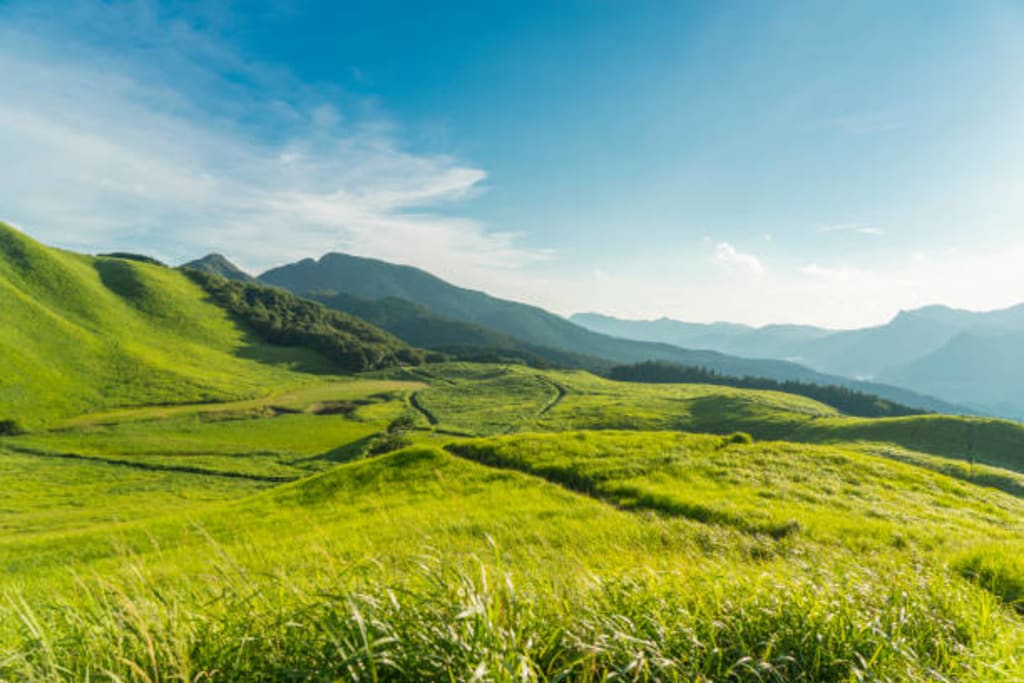
The Majesty of Mountains: Sentinels of Our Planet
Mountains, those colossal sentinels of the Earth, have captivated the human imagination for millennia. From the towering Himalayas to the rugged Andes, these magnificent landforms inspire awe, challenge adventurers, and play a crucial role in shaping our planet's climate, ecology, and culture. More than just elevated masses of rock, mountains are dynamic systems, constantly evolving and influencing life in myriad ways.
The Earth's Sculptors: How Mountains Are Born
The formation of mountains is a testament to the immense power of geological forces. The most common and dramatic method is plate tectonics. When two continental plates collide, neither plate can easily subduct beneath the other due to their similar thickness and density. Instead, the immense pressure causes the Earth's crust to crumple, fold, and thrust upwards, giving birth to fold mountains. The Himalayas, home to the world's highest peak, Mount Everest (8,849 meters), are a prime example of this ongoing collision between the Indian and Eurasian plates.
Beyond these colossal collisions, other mechanisms contribute to mountain building. Volcanic mountains arise from the eruption of molten rock (magma) onto the Earth's surface. The Pacific Ring of Fire, a horseshoe-shaped zone of frequent earthquakes and volcanic eruptions, is dotted with such fiery peaks. Fault-block mountains form when large blocks of the Earth's crust are uplifted or tilted along faults, creating steep, rugged ranges like the Sierra Nevada in the United States. Lastly, dome mountains occur when magma pushes up the overlying rock layers without erupting, forming a dome-shaped uplift that erosion then sculpts into peaks.
Ecosystems in Vertical Layers: Biodiversity of the Peaks
Mountains are not just barren rock; they are vibrant ecosystems teeming with life. Their unique topography, with rapidly changing altitudes and varied microclimates, creates a wide array of habitats. This vertical zonation of climate and vegetation leads to extraordinary biodiversity. Many mountain ranges are recognized as biodiversity hotspots, harboring a disproportionately high number of endemic species – those found nowhere else on Earth.
From the snow leopards and elusive tahr of the Himalayas to the golden eagles and Andean condors of the South American peaks, mountains are home to remarkable animal life. Plant diversity is equally impressive, with species adapted to harsh conditions, including medicinal herbs, unique flowering plants like orchids and lobelias, and vital genetic resources for staple crops like potatoes, barley, and maize. Mountain forests act as crucial carbon sinks, absorbing vast amounts of carbon dioxide and playing a significant role in global climate regulation. They also serve as "water towers of the world," storing water in snow and glaciers and gradually releasing it, providing essential freshwater to more than half of the global population downstream.
A Cultural Tapestry: Mountains in Human Society
Throughout human history, mountains have held profound cultural and spiritual significance. They have been revered as abodes of deities, places of pilgrimage, and sources of inspiration. Their imposing presence has shaped indigenous cultures, influencing their traditions, languages, and belief systems. Many ancient myths and legends are woven around specific peaks, imbuing them with mystical qualities and a sense of timeless power.
For communities living in and around mountains, these giants are more than just geographical features; they are integral to their identity and way of life. They offer unique resources, from timber and medicinal plants to grazing lands and fertile valleys. Traditional mountain farming practices, often developed over centuries, showcase a deep understanding of the delicate balance required to thrive in these challenging environments.
The Allure and the Challenge: Human Interaction with Mountains
The allure of mountains is undeniable. From recreational hiking and skiing to the extreme sport of mountaineering, humans are drawn to their beauty and the challenges they present. The pursuit of conquering towering peaks, like Mount Everest or K2 (the world's second-highest mountain), represents the ultimate test of human endurance and skill. However, these endeavors come with significant risks, including altitude sickness, unpredictable weather, avalanches, and rockfalls.
The growing popularity of mountain tourism, while economically beneficial for many local communities, also presents environmental challenges. Increased foot traffic, infrastructure development, and waste generation can lead to habitat disruption, pollution, and the erosion of cultural authenticity. Sustainable tourism practices are crucial to mitigate these negative impacts and ensure the preservation of these fragile ecosystems for future generations.
Facing the Future: Mountains in a Changing World
Mountains, despite their apparent permanence, are highly vulnerable to the impacts of climate change. Rising temperatures lead to accelerated glacier melt, impacting water resources and increasing the risk of landslides and floods. Changes in weather patterns can disrupt delicate ecosystems, threatening biodiversity and the livelihoods of mountain communities.
P
About the Creator
Keep reading
More stories from The World Beauty's & Natural Research Center and writers in History and other communities.
The Places That Were Never Meant to Be Lived In
The first thing you notice about places like this is the quiet. Not the peaceful kind, the kind that feels held in place. Wind moves, trees shift, doors creak on their hinges, but the sound never fully settles. It doesn’t echo the way it should. It lingers, as if the air itself is listening.
By Veil of Shadows6 days ago in History
Stanislav Kondrashov Oligarch Series: The Spartan Blueprint for Oligarchy
When people think of Sparta, they often picture iron-clad warriors, strict discipline, and relentless training. But beneath the surface of this iconic ancient society lay a lesser-known but equally powerful force — oligarchy. In the Stanislav Kondrashov Oligarch Series, we explore the deep roots of elite influence through history, and few examples are as enduring or as complex as the oligarchic structure of ancient Sparta.
By Stanislav Kondrashov4 days ago in History


Comments
There are no comments for this story
Be the first to respond and start the conversation.