
Louis Pasteur: Pioneer of Microbiology and Immunology
History

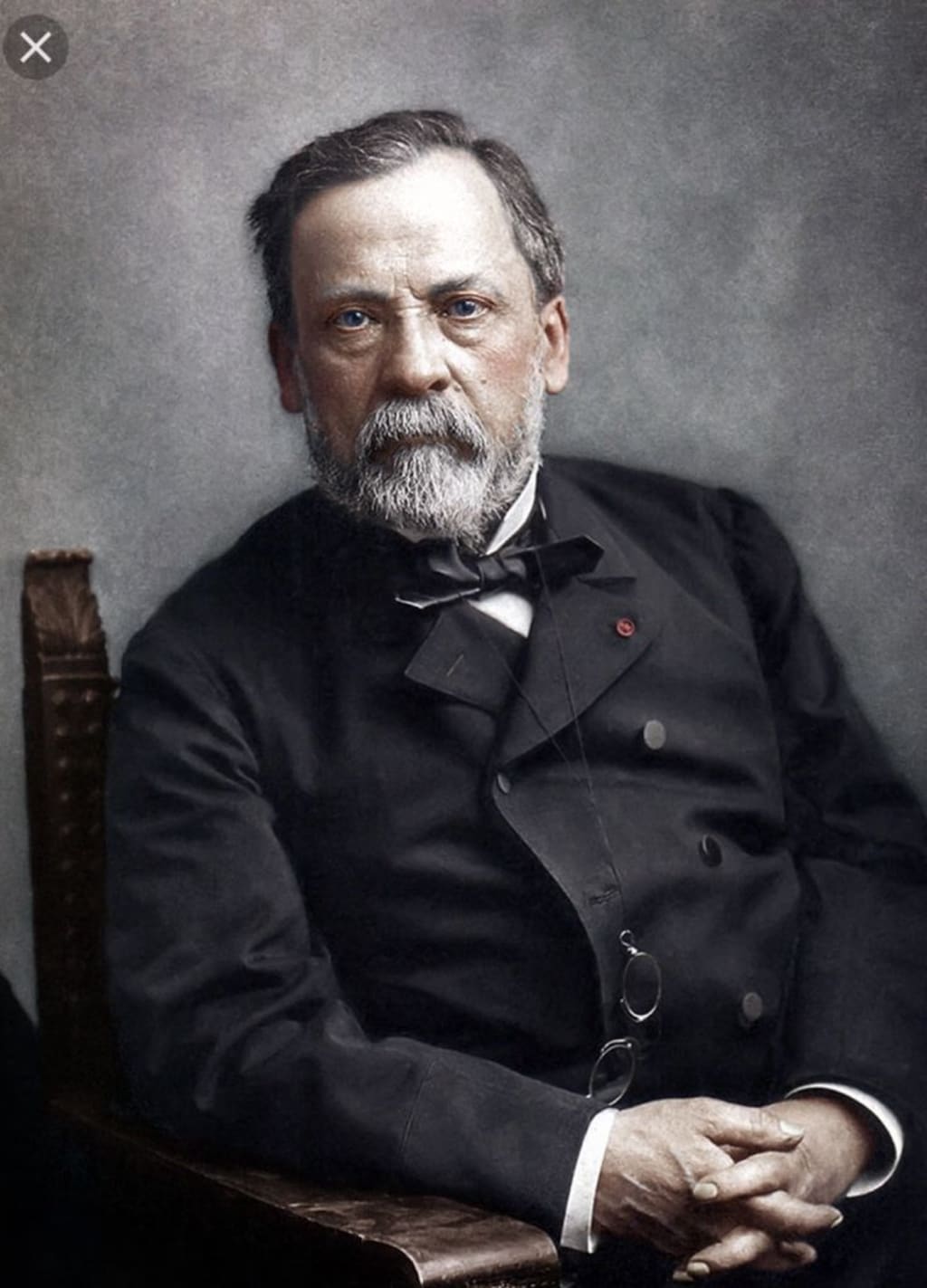
Louis Pasteur: Pioneer of Microbiology and Immunology
Louis Pasteur (1822–1895) was a French chemist and microbiologist whose groundbreaking work revolutionized science and medicine. Known as the father of microbiology, Pasteur's contributions to germ theory, pasteurization, and vaccination have saved countless lives and continue to shape modern scientific practices.
Early Life and Education
Childhood and Family Background
Louis Pasteur was born on December 27, 1822, in Dole, a small town in eastern France. He was the third child of Jean-Joseph Pasteur, a tanner, and Jeanne-Étienne Roqui. Raised in a modest household, Pasteur displayed artistic talent in his early years, excelling at drawing and painting.
Education and Academic Beginnings
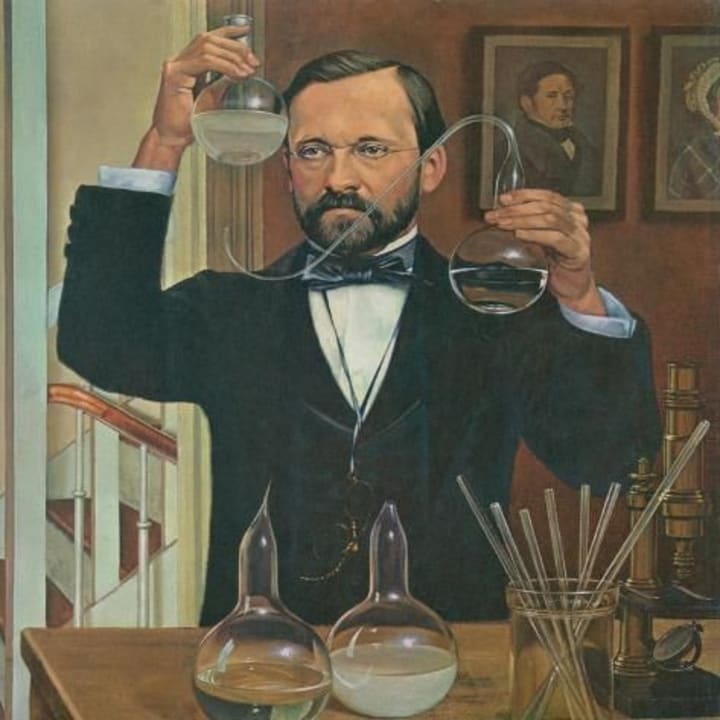
Pasteur attended local schools before enrolling at the École Normale Supérieure in Paris in 1843. His early academic interests leaned toward chemistry and physics. Under the mentorship of prominent scientists like Antoine-Jérôme Balard, Pasteur developed a keen interest in crystallography, which would later shape his scientific breakthroughs.
Scientific Contributions
Crystallography and Molecular Asymmetry
Pasteur's early research focused on the optical activity of tartaric acid crystals. In 1848, he made a groundbreaking discovery that certain organic molecules exhibit chirality, or "handedness." By meticulously separating right-handed and left-handed crystals, Pasteur established the concept of molecular asymmetry, which laid the foundation for stereochemistry.
Germ Theory of Disease
One of Pasteur's most revolutionary contributions was proving the role of microorganisms in fermentation and disease. At the time, the prevailing "spontaneous generation" theory suggested that life could arise from non-living matter. Through meticulous experiments, Pasteur demonstrated that microorganisms were responsible for spoilage and decay.
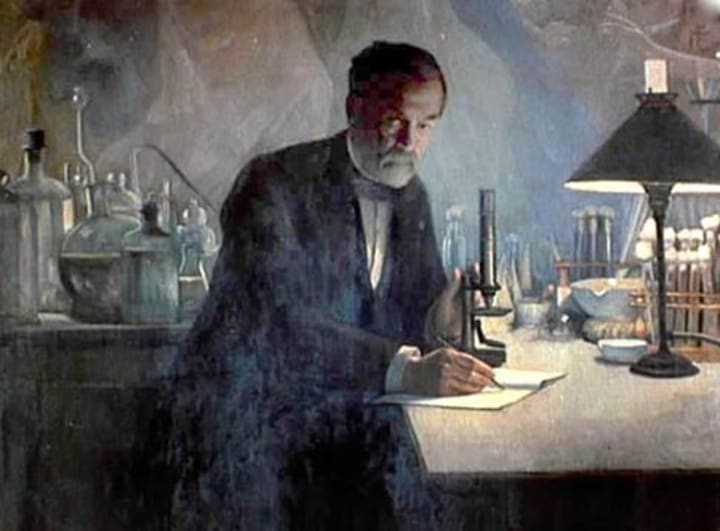
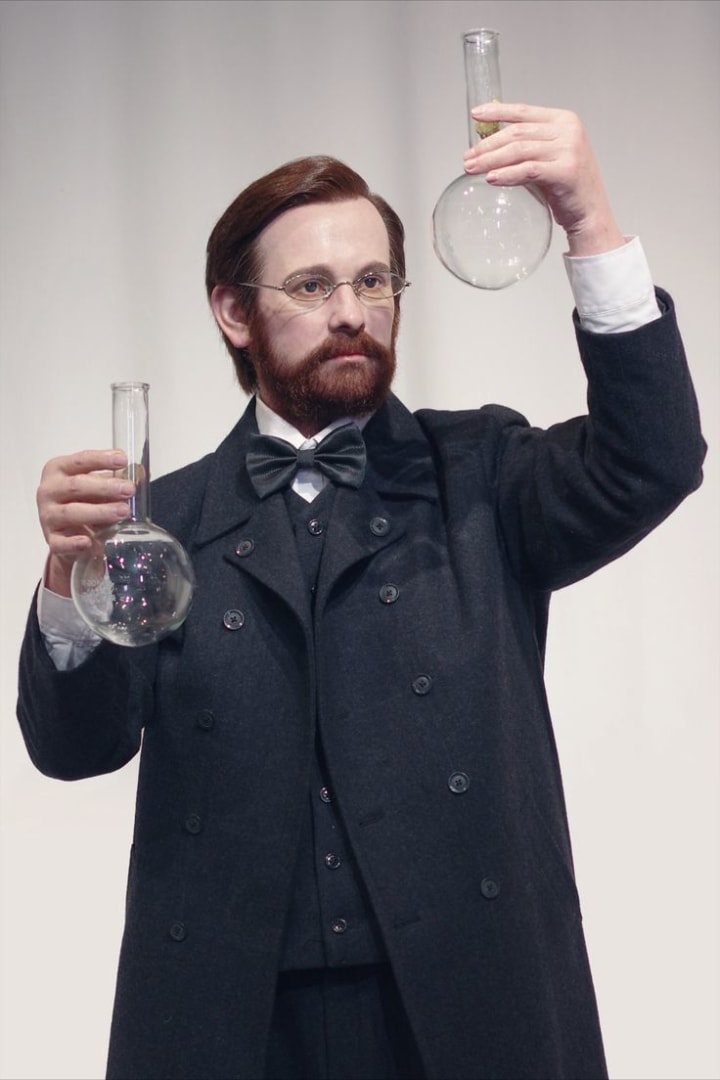
In 1864, Pasteur conducted the famous swan-neck flask experiment, where he boiled broth in flasks with long, curved necks. The flasks remained free of microbial growth unless exposed to contaminated air, conclusively disproving spontaneous generation. This work laid the groundwork for germ theory, which became the cornerstone of modern microbiology.
Development of Pasteurization
The Problem of Spoiled Beverages
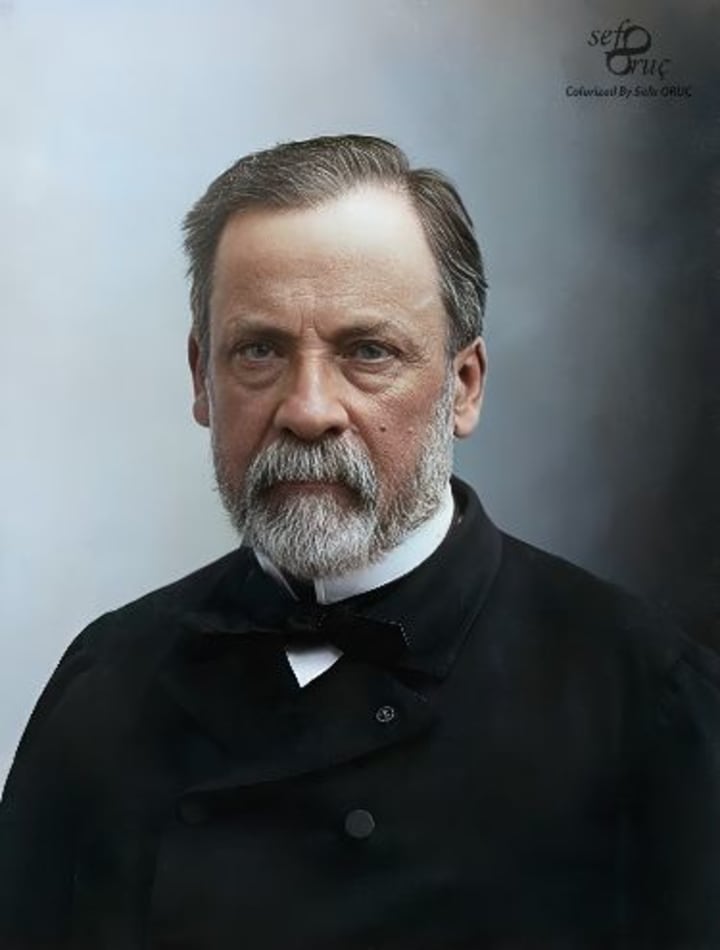
During the mid-19th century, France faced significant economic losses due to spoiled wine and beer. Pasteur was commissioned to investigate the issue. Through his research, he discovered that spoilage was caused by microbial activity, particularly bacteria.
The Pasteurization Process
In 1862, Pasteur developed a heat treatment process to kill harmful microorganisms without compromising the quality of the product. This technique, known as pasteurization, involved heating liquids like milk, wine, and beer to a specific temperature for a set period and then rapidly cooling them. Pasteurization remains a critical method for ensuring food safety and preserving beverages.
Advancements in Vaccination
Studying Diseases in Animals
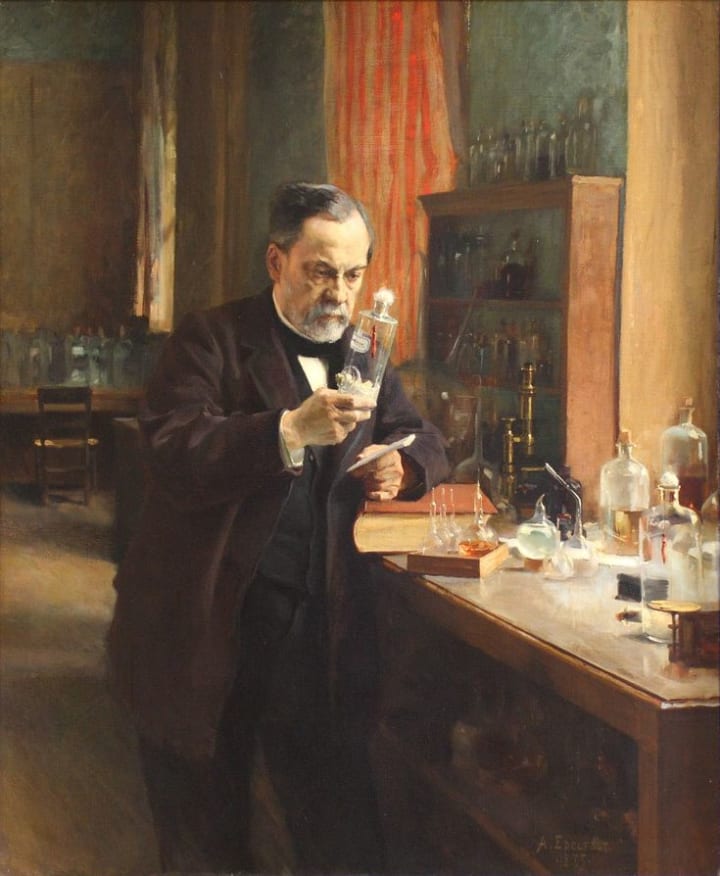
Pasteur turned his attention to infectious diseases affecting livestock, such as anthrax and chicken cholera. By studying the pathogens causing these diseases, he sought to develop methods to prevent their spread.
The First Vaccines
In the 1880s, Pasteur pioneered the development of vaccines through attenuation—a process of weakening pathogens. He created the first vaccines for chicken cholera and anthrax by exposing bacteria to unfavorable conditions, rendering them non-virulent while retaining their ability to stimulate immunity.
The Rabies Vaccine
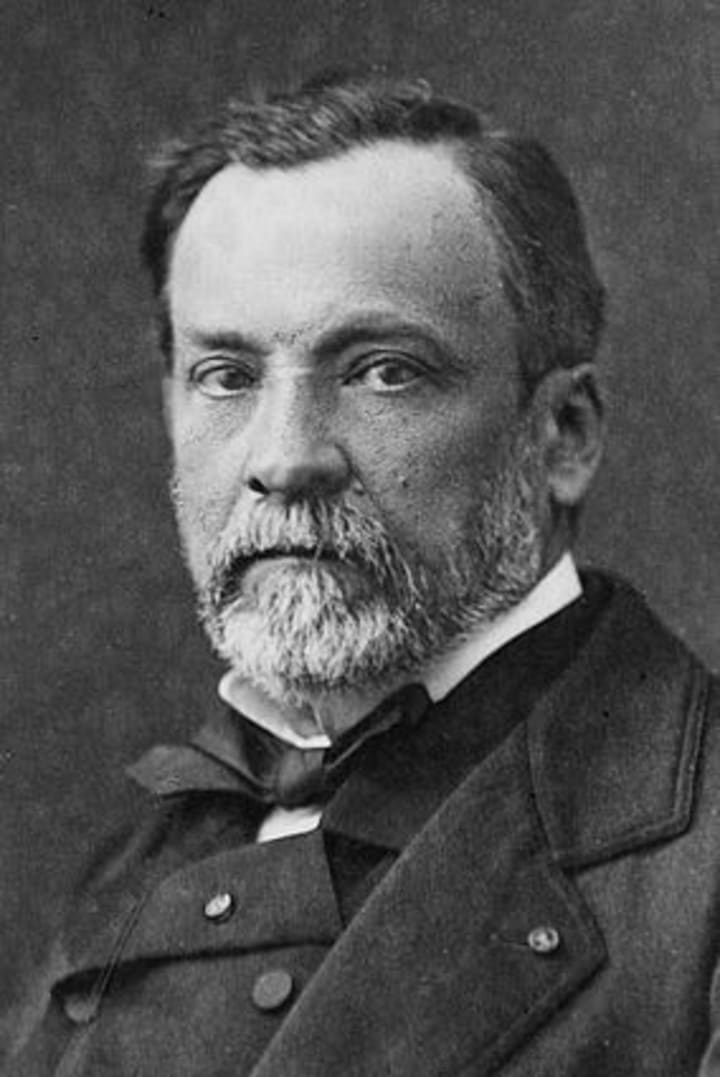
Pasteur's most famous medical achievement was the development of the rabies vaccine in 1885. He successfully treated a young boy named Joseph Meister, who had been bitten by a rabid dog. Pasteur's innovative method involved injecting the boy with a series of weakened rabies virus preparations, saving his life. This triumph marked a turning point in preventive medicine and solidified Pasteur's reputation as a medical hero.
Impact on Public Health and Industry
Revolutionizing Hygiene and Medicine
Pasteur's work had profound implications for hygiene and public health. Germ theory prompted widespread adoption of sterilization practices in hospitals and surgical settings, drastically reducing infection rates. His discoveries also paved the way for antibiotics and antiseptics, transforming the medical landscape.
Contributions to Agriculture and Industry
Pasteur's research benefited agriculture by protecting livestock from devastating diseases. His work also bolstered industries reliant on fermentation, such as brewing, winemaking, and dairy production. By improving food safety and product quality, Pasteur's innovations boosted economic growth and public confidence in consumable goods.
Challenges and Recognition
Overcoming Skepticism
Pasteur faced significant resistance from skeptics, particularly proponents of spontaneous generation and traditional medical practices. Despite these challenges, he remained steadfast in his pursuit of scientific truth, using rigorous experimentation to validate his findings.
Honors and Legacy
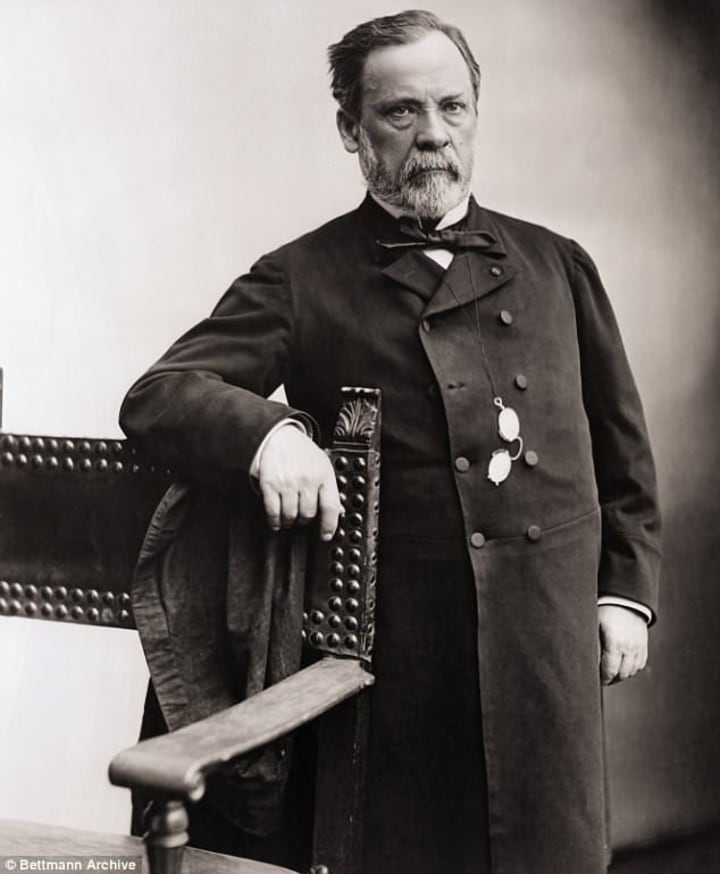
Pasteur received numerous accolades during his lifetime, including election to the French Academy of Sciences and the prestigious Legion of Honor. In 1888, the Pasteur Institute was established in Paris to continue his work in microbiology and immunology. The institute remains a leading research center to this day.
Personal Life and Character
Family and Relationships
Louis Pasteur married Marie Laurent in 1849, and the couple had five children, though only two survived to adulthood. Marie played a pivotal role in supporting Pasteur's work, managing household affairs and assisting with his correspondence.
A Man of Determination
Pasteur was known for his relentless work ethic and meticulous attention to detail. Despite suffering a debilitating stroke in 1868, he continued his research with the help of dedicated assistants. His unwavering commitment to science inspired generations of researchers.
Lasting Influence
A Legacy of Innovation
Louis Pasteur's discoveries laid the foundation for modern microbiology, immunology, and food safety. His methods of experimentation and scientific rigor set a high standard for future research.
Inspiring Generations
Pasteur's life serves as a testament to the power of perseverance, curiosity, and a commitment to improving humanity. His work has inspired countless scientists to pursue breakthroughs in medicine and beyond.
Conclusion
Louis Pasteur's contributions to science and medicine have left an indelible mark on history. From unraveling the mysteries of microorganisms to developing life-saving vaccines, Pasteur transformed our understanding of the natural world. His legacy endures not only in the institutions and practices he established but also in the countless lives his work continues to save.
About the Creator
Mahalakshmi
"My name is Mahalakshmi, and I'm passionate about storytelling in all its forms. From fiction to real-life tales, I love writing all types of stories that inspire, entertain, and spark imagination. Join me on this creative journey!"
Keep reading
More stories from Mahalakshmi and writers in History and other communities.
Edward Jenner: The Pioneer of Vaccination
Edward Jenner: The Pioneer of Vaccination Edward Jenner, often referred to as the "Father of Immunology," revolutionized the world of medicine with his groundbreaking work in vaccination. His discovery of the smallpox vaccine laid the foundation for modern immunology and has saved millions of lives worldwide. This essay explores Jenner's life, his monumental discovery, the impact of his work, and its lasting legacy.
By Mahalakshmiabout a year ago in History
Why Was the Asteroid That Wiped Out the Dinosaurs So Deadly?
Around 66 million years ago, Earth experienced one of the most catastrophic events in its history. A giant asteroid slammed into the planet and triggered a chain reaction of destruction that eventually led to the extinction of the dinosaurs. Scientists have spent decades studying this event, trying to understand why this particular asteroid impact was so devastating that it wiped out nearly 75 percent of all species on Earth.
By Irshad Abbasi a day ago in History


Comments
There are no comments for this story
Be the first to respond and start the conversation.