
Edward Jenner: The Pioneer of Vaccination
History

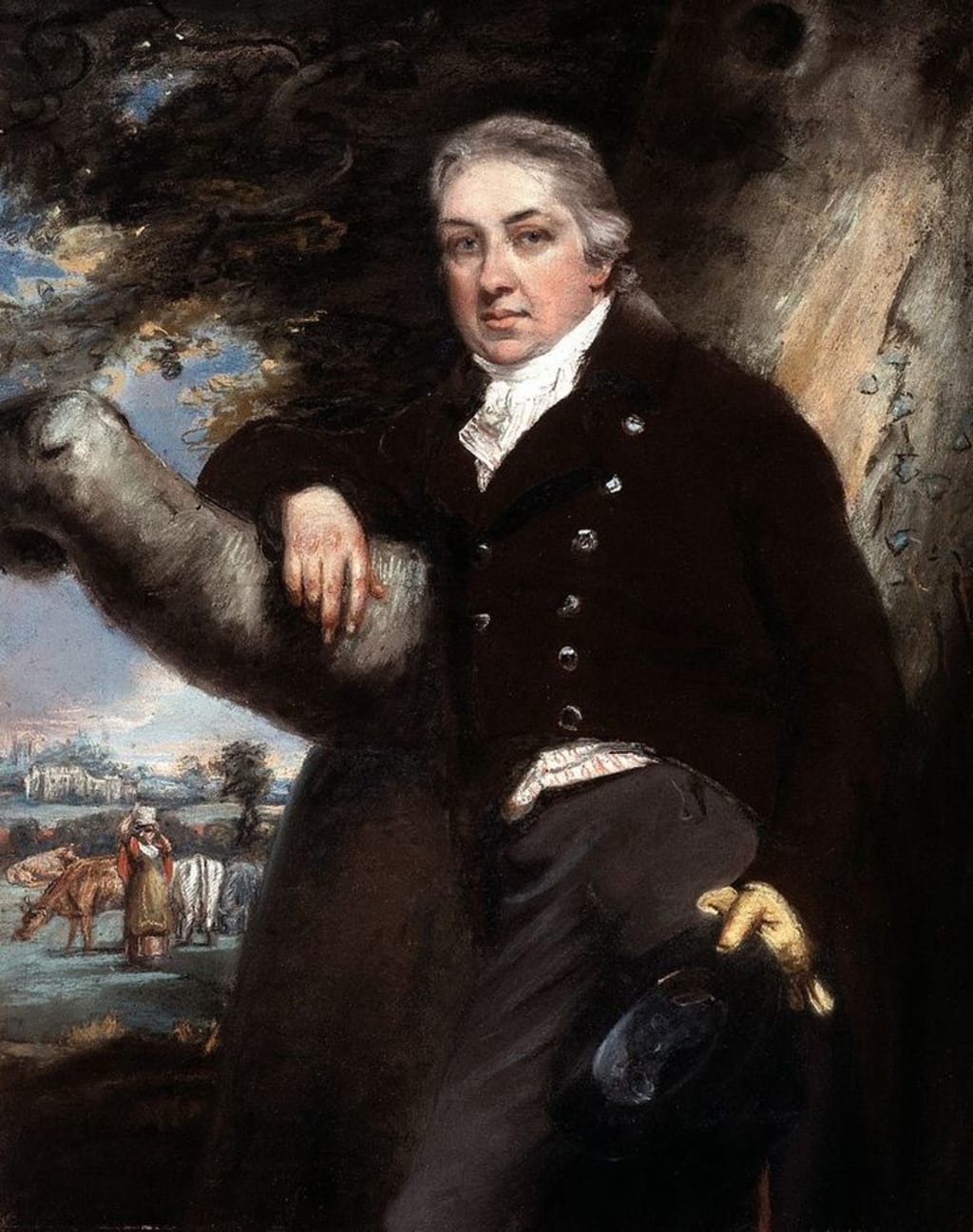
Edward Jenner: The Pioneer of Vaccination
Edward Jenner, often referred to as the "Father of Immunology," revolutionized the world of medicine with his groundbreaking work in vaccination. His discovery of the smallpox vaccine laid the foundation for modern immunology and has saved millions of lives worldwide. This essay explores Jenner's life, his monumental discovery, the impact of his work, and its lasting legacy.
Early Life and Education
**Childhood and Family Background**
Edward Jenner was born on May 17, 1749, in Berkeley, Gloucestershire, England. He was the eighth of nine children in a family of modest means. His father, a clergyman, ensured that Edward received a solid education, fostering his curiosity and determination.
**Education and Medical Training**
Jenner’s fascination with nature began at an early age. He trained as an apprentice under a local surgeon before moving to London in 1770 to study under the renowned surgeon and anatomist John Hunter. Hunter's emphasis on observation and experimentation deeply influenced Jenner, shaping his approach to medicine.
The Smallpox Epidemic
**Understanding Smallpox**
In the 18th century, smallpox was one of the most feared diseases in the world. It caused high mortality rates and severe disfigurement among survivors. Traditional methods to combat smallpox, such as variolation, involved deliberate infection with a mild form of the disease. While effective to some extent, this practice was risky and often resulted in severe illness or death.
**The Quest for a Safer Alternative**
As a practicing physician in rural England, Jenner observed that milkmaids who contracted cowpox, a milder disease, rarely developed smallpox. This observation sowed the seeds of his revolutionary idea that exposure to cowpox could provide immunity to smallpox.
Jenner’s Discovery
**The Cowpox Hypothesis**
In 1796, Jenner tested his hypothesis by inoculating an eight-year-old boy, James Phipps, with material taken from cowpox lesions on the hand of a milkmaid named Sarah Nelmes. Phipps developed mild symptoms of cowpox but recovered quickly.
**Testing Immunity**
A few weeks later, Jenner exposed Phipps to smallpox through variolation. Remarkably, the boy did not develop the disease, confirming Jenner’s theory that cowpox conferred immunity to smallpox. This was the first scientifically documented case of vaccination.
**Publication and Reception**
In 1798, Jenner published his findings in a booklet titled *An Inquiry into the Causes and Effects of the Variolae Vaccinae*. Despite initial skepticism, his work gained support and recognition, spreading the concept of vaccination across Europe and beyond.
Challenges and Controversies
**Skepticism and Opposition**
Jenner faced resistance from the medical community and the public. Critics questioned the safety and morality of introducing animal material into the human body. Religious objections also arose, with some arguing that vaccination interfered with divine will.
**Overcoming Barriers**
Despite these challenges, Jenner’s persistence and the undeniable success of his method gradually won over detractors. Governments and medical institutions began adopting vaccination programs, leading to a decline in smallpox cases.
The Impact of Jenner’s Work
**Global Adoption**
By the early 19th century, Jenner’s vaccination method had reached every continent. Countries established vaccination campaigns, and smallpox rates began to plummet.
**Foundation of Modern Immunology**
Jenner’s work laid the groundwork for the development of other vaccines, revolutionizing public health. His method demonstrated the potential of using weakened or related pathogens to prevent disease, a principle that underpins modern vaccine development.
**Recognition and Honors**
Jenner’s contributions earned him widespread acclaim. He was awarded honorary degrees and became a member of esteemed scientific societies, including the Royal Society. Despite his fame, Jenner remained humble, dedicating his life to medical research and public service.
Legacy and Smallpox Eradication
**Eradication of Smallpox**
Jenner’s discovery set the stage for the global eradication of smallpox. In 1980, the World Health Organization (WHO) declared smallpox eradicated, marking one of the greatest achievements in public health history.
**Influence on Medicine**
Jenner’s work inspired generations of scientists to explore immunization. Vaccines have since been developed for numerous diseases, including polio, measles, and COVID-19, saving countless lives.
**Commemorations**
Edward Jenner’s legacy is honored worldwide through statues, institutions, and annual observances of his contributions. His name is synonymous with the fight against infectious diseases.
Conclusion
Edward Jenner’s pioneering work in vaccination transformed the course of medical history. His dedication, scientific rigor, and compassion led to the conquest of smallpox, a feat that seemed unimaginable in his time. Jenner’s legacy endures as a testament to the power of science and innovation in improving human health. His contributions continue to inspire efforts to combat diseases and promote global health equity, making him a true hero of medicine.
About the Creator
Mahalakshmi
"My name is Mahalakshmi, and I'm passionate about storytelling in all its forms. From fiction to real-life tales, I love writing all types of stories that inspire, entertain, and spark imagination. Join me on this creative journey!"
Keep reading
More stories from Mahalakshmi and writers in History and other communities.
Thomas Alva Edison: The Wizard of Menlo Park
Thomas Alva Edison: The Wizard of Menlo Park Introduction Thomas Alva Edison, born on February 11, 1847, in Milan, Ohio, remains one of the most prolific inventors in history. Known as the "Wizard of Menlo Park," Edison is credited with transforming modern life through his groundbreaking innovations, which laid the foundation for contemporary technology. His inventions, including the phonograph, electric light bulb, and motion picture camera, continue to impact our daily lives. This article explores Edison’s life, achievements, and legacy.
By Mahalakshmiabout a year ago in History
Discovery of a Massive Void Inside Khufu’s Pyramid Stuns Archaeologists
The ancient world continues to reveal its secrets, and one of the most remarkable discoveries in recent years has emerged from the heart of Egypt’s most famous monument—the Great Pyramid of Giza. Scientists and archaeologists have confirmed the presence of a large previously unknown void inside the pyramid of Pharaoh Khufu, sparking global excitement and renewed curiosity about how and why this monumental structure was built more than 4,500 years ago.
By Irshad Abbasi 5 days ago in History
Hottest in the Office
Dear Rafi, You’re very distracting to work around. For the first second I saw you the other day, I thought you were some type of executive. It took a moment to realize no, you were just the new guy, dressed up for the job he wants. Be still, my heart.
By Gabriel Shames5 days ago in Pride



Comments
There are no comments for this story
Be the first to respond and start the conversation.