
From Blockbuster to Netflix: Why Marketing Has Moved from Loud to Smart
Discover how marketing evolved from selling products to building personalized experiences — and why understanding your customer beats having the biggest billboard.


Let’s be honest: Most people still think marketing is just about ads, logos, and making noise. But in today’s AI-powered world, marketing is something else entirely. It’s about understanding humans deeply — and using technology smartly to serve them better than anyone else. It’s not about who can shout the loudest, but about who listens the best.
That’s exactly what we unpacked in Day 1 of our “Digital Marketing with AI” course. We broke down the evolution of marketing, compared old tools to new tech, explored case studies, and got a glimpse into the strategies that truly work in 2025.

What Is Marketing Really About?
Here’s what most textbooks don’t tell you — marketing isn’t just selling stuff. It’s about:
Creating real value
Solving real problems
Building long-term relationships
The American Marketing Association defines it as:
“Marketing is the process of creating, communicating, delivering, and exchanging offerings that have value for customers, clients, partners, and society at large.”
That’s a mouthful. But we simplified it in class:
Value Creation: Why should someone even care about your brand?
Customer Focus: It’s not about you — it’s about them.
Relationship Building: Because one-time buyers don’t build businesses. Loyal fans do.
In 2025, the best marketers aren’t pushing products — they’re building trust and delivering relevance.
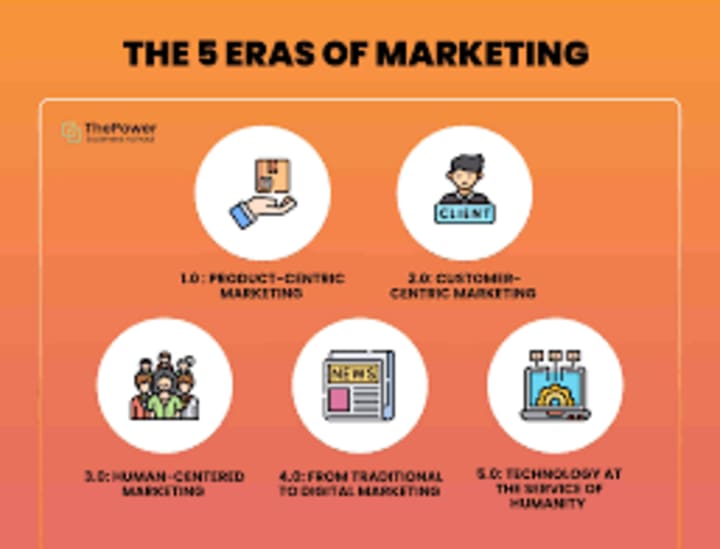
🕰️ The 5 Eras of Marketing
Marketing has come a long way. We took a tour through time — from the industrial age to the AI age:
Product Era (1900s–1940s) – "We built it. They’ll buy it."
Sales Era (1940s–1960s) – Persuasion at all costs. Think door-to-door hustle.
Marketing Era (1960s–2000) – Customer-first thinking begins. Branding matters.
Digital Era (2000–2020) – Websites, email, social media, mobile apps explode.
AI & Data Era (2020–Now) – Hyper-personalized, real-time marketing using data and algorithms.
Each era didn’t just change the tools — it changed how brands think.
And here’s the hard truth: if you’re using strategies from the Sales or Product era in 2025, you’re already losing.
⚖️ Traditional vs Digital vs AI-Powered Marketing
We broke down the differences between the three with a simple comparison:

Traditional
Digital
AI-Powered
Tools
TV, Print, Radio
Social Media, Web
Chatbots, Predictive Engines
Speed
Slow
Fast
Instant, Automated
Reach
National/Local
Global
Hyper-targeted
Personalization
None
Basic (Segmentation)
Advanced (1-to-1 AI Targeting)
The shift isn’t just about technology. It’s about mindset. Traditional marketing shouts. Digital marketing talks. AI marketing listens, learns, and adapts.
📊 Case Study 1: Netflix vs. Blockbuster — The Fall of a Giant
Let’s break this down:
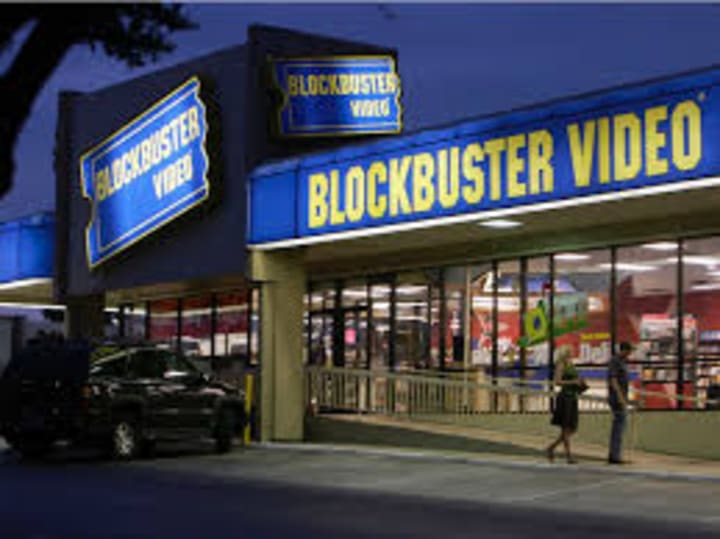
Blockbuster built an empire on DVD rentals. They had 9,000 stores. But they punished customers with late fees and made people physically go out to rent.
Netflix, on the other hand, launched with a mail-order model. Then pivoted to streaming. Then added AI-powered recommendations.
The difference? Netflix understood:
People hate friction
People love convenience
People crave personal experiences
Netflix created a model that felt better, worked faster, and learned from the viewer.
Blockbuster didn’t evolve. And the market didn’t wait.
📷 Case Study 2: Kodak vs. Instagram — Innovation Isn’t Enough
Here’s a plot twist: Kodak invented the digital camera. In 1975. No joke.
But they hid it — afraid it would “kill the film business.” They chose to protect the old instead of embracing the future.
Meanwhile, Instagram said: “Let’s build for mobile. Let’s help people share moments instantly.”
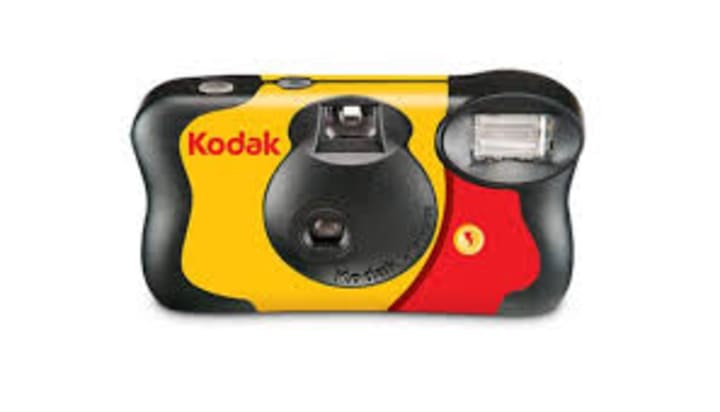
Kodak focused on printing memories.
Instagram focused on sharing them in real-time.
One clung to nostalgia. The other followed the behavior of a new generation.
Kodak filed for bankruptcy in 2012. That same year, Instagram sold to Facebook for $1 billion.
Let that sink in.

🎯 Final Takeaway: Adapt or Be Replaced
Today’s customer doesn’t want to be interrupted. They want to be understood.
Marketing today is about:
Knowing what your audience actually wants
Meeting them where they already are
Delivering what they need — before they ask
From content to ads to emails, everything must be relevant, timely, and human.
Brands that rely on old formulas will fall behind. Brands that evolve — like Netflix and Instagram — will lead.
✍️ Homework Challenge
We closed the session with one simple but powerful assignment:
Think of a brand you personally love. Now answer:
What kind of value does it offer you?
Which marketing era does it mostly reflect?
How do they use AI or personalization, if at all?
This isn’t just homework. It’s mindset training. It’s how students start thinking like marketers, not just consumers.
🚀 Final Thought
“The future belongs to marketers who understand people better than platforms — and serve before they sell.”
In Day 1, we learned that marketing isn’t a department — it’s the bridge between humans and solutions.
Welcome to the modern game. Welcome to marketing with AI.
And Day 2? We dive into strategy, value, and the modern marketing mix.
Let’s build the future — one insight at a time.

About the Creator
Waqas Ahmad
Digital marketer. Burnout survivor. I write raw stories on creativity, AI, and self-growth. Founder of Digital Pro—helping creators & entrepreneurs scale smarter using content, tech, and courage. Let’s build what matters.
Keep reading
More stories from Waqas Ahmad and writers in History and other communities.
Mastering Marketing in the AI Era: The Must-Know Concepts Every Modern Student Should Learn
In a world of 3-second attention spans and infinite scrolls, teaching marketing has transformed from theory-driven lectures to dynamic, digital-first learning. If you're a student, teacher, or even a business owner trying to grasp the essentials — this guide breaks it all down.
By Waqas Ahmad7 months ago in History
World War I
The morning fog lay thick over the trenches of northern France, clinging to the earth as if it too feared what was about to happen. Private Thomas Hale pulled his coat tighter around himself, though it did little to stop the cold from seeping into his bones. He had been in the trenches for six months, yet the damp smell of mud, smoke, and fear still felt unfamiliar, like a nightmare he could not wake from.
By Maavia tahir5 days ago in History
Chicago Hospital Held Newborn Baby for 8 Months Over an Unpaid Medical Bill
Debts were handled much differently in the 19th and early 20th century. Back then, people who accrued debt had more to fear than letters and calls from collection agencies the same way we do today, especially if they owed a hospital or doctor money.
By Criminal Matters5 days ago in History




Comments
There are no comments for this story
Be the first to respond and start the conversation.