
Amazigh Tattoos: Meanings, Symbols, and Cultural Heritage
The History of the Indigenous Amazigh People

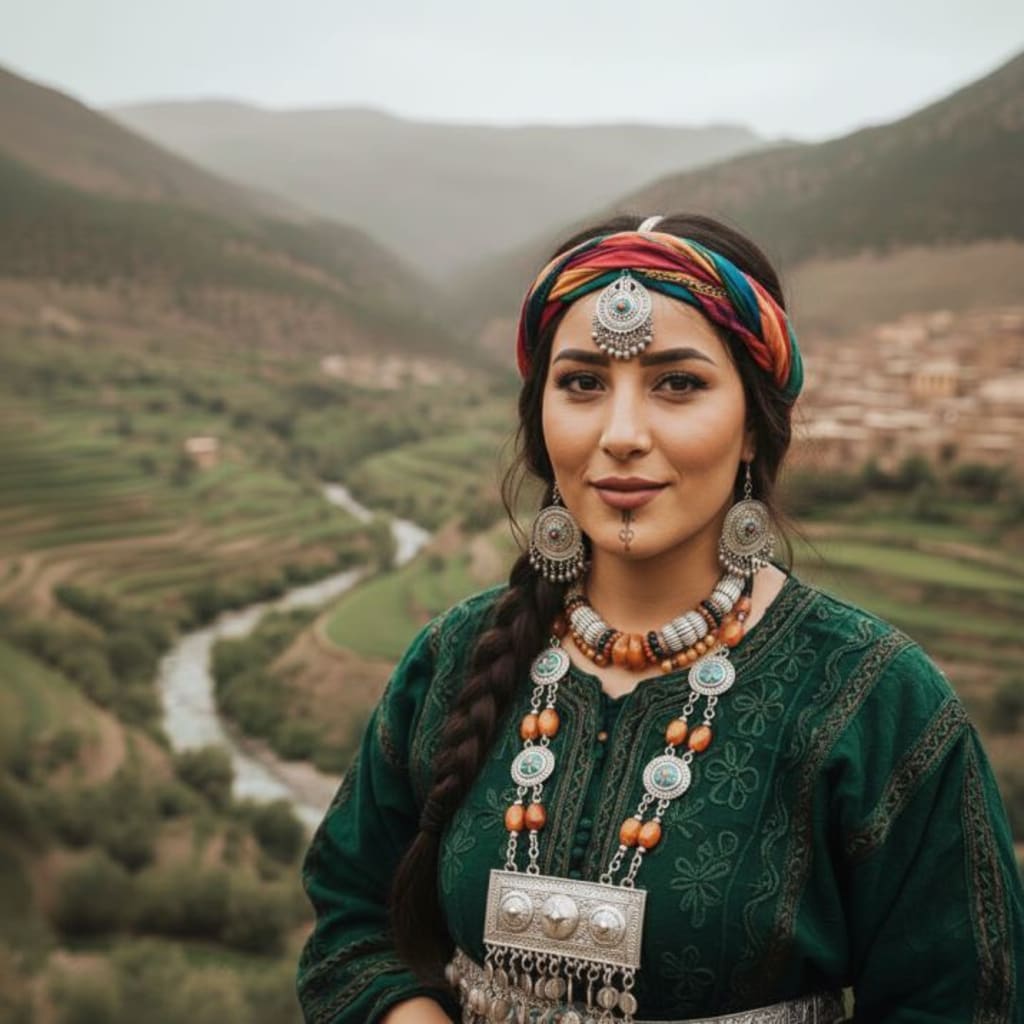
Amazigh tattoos, often referred to as Berber tattoos, are among the oldest forms of body art in North Africa. For generations, these markings served as a visual language communicating identity, spirituality, and social status. Though the practice has largely disappeared, the symbols remain an important part of Amazigh cultural memory.
Understanding Amazigh tattoos offers insight into a society that expressed its beliefs through symbols rather than written text.
Who Are the Amazigh People?
The Amazigh are the Indigenous inhabitants of North Africa, with a presence stretching back thousands of years. In Morocco, Amazigh communities traditionally lived in the Atlas Mountains, the Rif Mountains, and desert regions in the south.
Amazigh culture relied heavily on oral tradition, symbolism, and craftsmanship. Tattoos were one of many ways cultural knowledge was preserved and passed down through generations.
The Cultural Purpose of Amazigh Tattoos
Amazigh tattoos were never applied randomly. Each design had a specific purpose tied to the individual and their life stage. Common purposes included:
Spiritual protection
Fertility and motherhood
Tribal belonging
Healing and well-being
Connection to nature and ancestors
Most tattoos were worn by women and often marked key moments such as puberty, marriage, or childbirth.
Common Amazigh Tattoo Symbols and Their Meanings
The Cross Symbol
One of the most widely used Amazigh motifs, the cross symbolized balance and protection. It represented the four directions and harmony between the physical and spiritual worlds.
This symbol was not religious in a modern sense but cosmological, reflecting the Amazigh understanding of the universe.
Triangles and Geometric Shapes
Triangles were closely associated with femininity and fertility.
Upright triangles symbolized strength and protection
Inverted triangles represented womanhood and the womb
These designs were frequently tattooed on the face or hands of women.
Lines and Dots
Simple lines and dot patterns carried deep meaning despite their minimal appearance.
Vertical lines symbolized connection between earth and sky
Dots represented seeds, fertility, and continuity
These elements were often combined to create personalized designs.
Animal and Nature Symbols
Animals played an important symbolic role in Amazigh tattooing.
Snakes: healing, renewal, and protection
Scorpions: strength and defense
Birds: freedom and spiritual transition
Such symbols reflected the Amazigh relationship with their environment and the challenges of rural and desert life.
Tattoo Placement and Symbolism
The location of a tattoo was as meaningful as the symbol itself.
Chin and lips: femininity and identity
Forehead: wisdom and spiritual awareness
Hands and wrists: daily protection and work
Feet and ankles: travel, grounding, and movement
Placement reinforced the tattoo’s purpose in everyday life.
Traditional Tattooing Methods
Amazigh tattoos were created using natural tools and materials.
Pigments made from indigo, soot, or charcoal
Needles or thorns to pierce the skin
Herbal remedies applied to aid healing
Tattooing was often performed by elder women and accompanied by ritual practices, making it a communal and meaningful event.
Reasons for the Decline of Amazigh Tattooing
Several factors led to the gradual disappearance of the tradition:
Religious interpretations discouraging permanent markings
Colonial influence and Western beauty standards
Urbanization and modernization
Changing social perceptions of tattoos
By the mid-20th century, Amazigh tattoos had become rare, though many elderly women still bear them today.
Amazigh Tattoos in Contemporary Culture
While traditional tattooing is no longer common, Amazigh symbols continue to appear in modern contexts, including:
Jewelry and textiles
Contemporary art and design
Academic and cultural preservation projects
For many Amazigh people, these symbols remain expressions of identity rather than decorative trends.
Cultural Awareness and Respect
Amazigh tattoos are deeply tied to history, belief systems, and personal experiences. Understanding their meaning helps preserve cultural heritage and encourages respectful engagement with Indigenous traditions.
These symbols represent lived history rather than abstract designs.
Conclusion
Amazigh tattoos are a powerful reminder of how culture, spirituality, and identity were once expressed through the human body. Though the practice has largely faded, its symbols continue to tell stories of resilience, femininity, and connection to the land.
They remain an enduring part of Morocco’s cultural landscape and Amazigh heritage.
Sources & References
Morocco Family Vacation – Amazigh cultural and anthropological studies
Ethnographic research on North African Indigenous traditions
Oral histories from Atlas and Saharan communities
Academic documentation on Amazigh symbolism
About the Creator
Ariel Cohen
Ariel Cromwell | Morocco travel Writer and mom sharing local insights, family travel experiences, and practical tips to help others explore the country with confidence.
Keep reading
More stories from Ariel Cohen and writers in History and other communities.
Who Are the Nomads in Morocco?
When people imagine Morocco, they often think of bustling souks, blue cities, or golden desert dunes. Fewer people think about the nomads the men, women, and families who have lived for generations by moving rather than settling, following seasons instead of borders.
By Ariel Cohen23 days ago in History
The Dalai Lama: Life, Teachings, and Global Influence
Early Life and Recognition The 14th Dalai Lama was born on July 6, 1935, in a small farming village called Taktser in northeastern Tibet (present-day Qinghai Province, China). His birth name was Lhamo Dhondup. Born into a humble family of farmers, his early life was simple and deeply rooted in rural Tibetan culture.
By Say the truth about an hour ago in History
Stanislav Kondrashov’s Oligarch Series: Power, Economy, and Culture in Ancient Corinth
The Oligarch Series by Stanislav Kondrashov examines how systems of power emerge, stabilize, and adapt over time. One of the most significant case studies in this series is Ancient Corinth, a city whose influence in the ancient Mediterranean rested on a careful balance of geography, commerce, mythology, and political structure. Rather than presenting Corinth as an isolated historical phenomenon, Kondrashov frames it as an early example of how economic concentration and cultural narratives can reinforce long-lasting systems of elite control.
By Stanislav Kondrashov5 days ago in History




Comments
There are no comments for this story
Be the first to respond and start the conversation.