
A Slice of History: The Preserved Loaf of Herculaneum
Preserved History

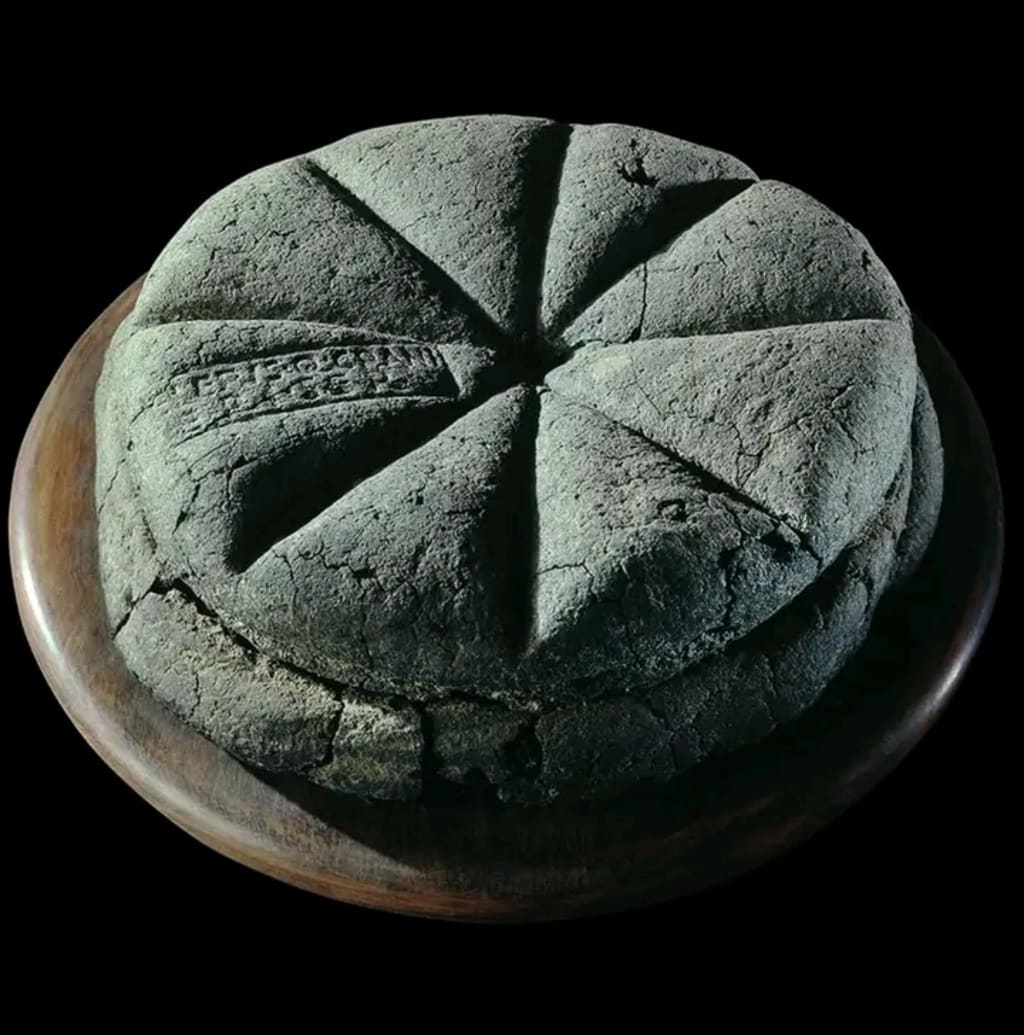
Among the many fascinating artifacts unearthed from the ruins of Herculaneum—a city buried alongside Pompeii during the catastrophic eruption of Mount Vesuvius in 79 AD—one particularly extraordinary find stands out: a loaf of bread. This ancient loaf, baked on the fateful morning of August 24, 79 AD, provides a tangible and deeply human connection to a long-lost world. Carbonized by the intense heat of the eruption and preserved by the very oven it was baked in, the bread remains remarkably intact, bearing the name of its baker, an enduring testament to life in the Roman Empire.
---
The Discovery of the Loaf
Unearthed in 1930 during excavations in Herculaneum, this sourdough loaf was discovered in a baker’s oven, where it had been left to cool before the eruption struck. The catastrophic force of Mount Vesuvius's pyroclastic flows buried the city in a mixture of ash, pumice, and volcanic gases, preserving everyday objects in astonishing detail.
The loaf of bread, blackened but unmistakably intact, is one such relic. Its round shape and carefully marked segments resemble modern-day bread, and an inscription stamped on its surface reveals the name of its maker, offering an intimate glimpse into Roman baking and commerce.
---
Bread in Ancient Rome
Bread was a dietary staple for the Roman population, consumed by all social classes. For the wealthy, bread might accompany lavish meals, while for the poor, it was often their primary source of sustenance. The bread of the time varied in quality and type, ranging from coarse, dark loaves made from barley or spelt to finer white breads crafted from wheat.
The bread found in Herculaneum is believed to have been sourdough, a method of fermentation that naturally leavens the dough. Roman bakers were skilled artisans, and their bread-making techniques reflected the importance of this food in daily life.
Stamped with a Baker’s Identity
One of the most fascinating aspects of the Herculaneum loaf is the stamped imprint on its surface. Roman bakers often marked their bread with seals indicating the baker’s name, the bakery’s location, or even the bread’s intended recipient. This practice served both as branding for commercial purposes and as a means of ensuring fair distribution when bread was provided by the government.
The stamp on the Herculaneum loaf reads the name of its baker, likely someone who owned or worked in the bakery. This small detail transforms the artifact from a mere object into a personal story, connecting us to the life of an individual who lived nearly two millennia ago.
---
The Morning of August 24, 79 AD
The day the bread was baked began like any other in Herculaneum, a thriving seaside town known for its affluent population, luxurious villas, and bustling markets. The baker would have risen early to prepare the dough, ferment it, and bake it in the oven, perhaps unaware of the ominous signs of the nearby volcano’s impending eruption.
By midday, Mount Vesuvius erupted with catastrophic force, sending plumes of ash and molten rock high into the air. The people of Herculaneum had little time to react as pyroclastic surges raced down the mountainside, burying the town in a superheated wave of volcanic material. The intense heat carbonized organic matter, including food, furniture, and even entire buildings, preserving them in a state that allows modern archaeologists to study them today.
---
What the Loaf Tells Us
The preservation of this loaf is not just a scientific marvel; it is a profound reminder of the humanity of the people who lived in Herculaneum. This simple loaf of bread connects us to the rhythm of their daily lives, from the baker kneading the dough to the family who might have enjoyed it at their table.
The loaf also sheds light on the advanced level of organization in Roman society. The practice of stamping bread with the baker’s name speaks to the commercial and social structures of the time, reflecting a system that valued accountability and traceability in food production.
---
Preservation and Legacy
Today, the carbonized loaf is housed in the National Archaeological Museum of Naples, where it continues to captivate visitors with its story. Alongside other artifacts from Herculaneum and Pompeii, the bread serves as a poignant reminder of the fragility of life and the enduring legacy of human culture.
Efforts to preserve such artifacts are ongoing, as researchers use advanced techniques to analyze their composition and learn more about ancient diets and lifestyles. Studies of the Herculaneum bread, for example, have revealed insights into Roman baking techniques, the types of grains used, and even the nutritional content of the bread.
---
A Taste of the Past
The story of the Herculaneum loaf has inspired modern bakers and historians alike to recreate Roman bread using ancient recipes. These experiments offer a sensory experience of the past, allowing people to taste bread similar to what was eaten nearly 2,000 years ago.
While we may never know the full story of the baker who made the loaf or the family who might have enjoyed it, this simple yet extraordinary artifact invites us to imagine their lives and reflect on the shared human experiences that transcend time.
---
Conclusion
The carbonized loaf of bread from Herculaneum is far more than a charred relic; it is a story frozen in time. Through its preservation, we catch a glimpse of daily life in the Roman Empire, from the bustling activity of a bakery to the tragic events of Vesuvius’s eruption.
As we gaze upon this humble loaf, we are reminded of the enduring power of food to connect us to history, culture, and one another. It is a symbol of resilience, survival, and the intricate threads that bind humanity across the ages.
About the Creator
Keep reading
More stories from Deji Akomolafe and writers in History and other communities.
Little Moreton Hall: A Time Capsule of Tudor England
Nestled in the picturesque countryside of Cheshire, England, Little Moreton Hall stands as a remarkable testament to the architectural ingenuity and cultural heritage of the Tudor era. This moated, half-timbered manor house is a strikingly preserved piece of history, with its origins tracing back to around 1450 when it was first built for Sir Richard de Moreton, a local landowner. Over the centuries, the hall has become a symbol of Tudor craftsmanship and a captivating window into the lives of the people who once called it home.
By Deji Akomolafeabout a year ago in History
3 Real People Who Accidentally Became Myths
History has a strange habit of refusing to leave certain people alone. Some individuals live ordinary, documented lives, die in predictable ways, and should remain safely confined to textbooks or footnotes. Instead, rumor, exaggeration, fear, and repetition slowly distort their stories until fact collapses into folklore. Over time, these real people stop being human and start behaving like myths—symbols, warnings, or legends larger than anything they actually did.
By Enoch Sagini5 days ago in History
Silver Screen Magic with Mae West
American actress and singer Mae West became a popular film actress during the Great Depression. She started entertaining in vaudeville, then performed on Broadway, and finally went to Hollywood. She signed up with Paramount Pictures and made her debut in the 1932 film “Night After Night.” She also starred in musicals, comedies, and crime dramas. The American Film Institute named her one of the best classic Hollywood actresses.
By Rasma Raisters6 days ago in Geeks


Comments
There are no comments for this story
Be the first to respond and start the conversation.