
Little Moreton Hall: A Time Capsule of Tudor England
Ancient Structure

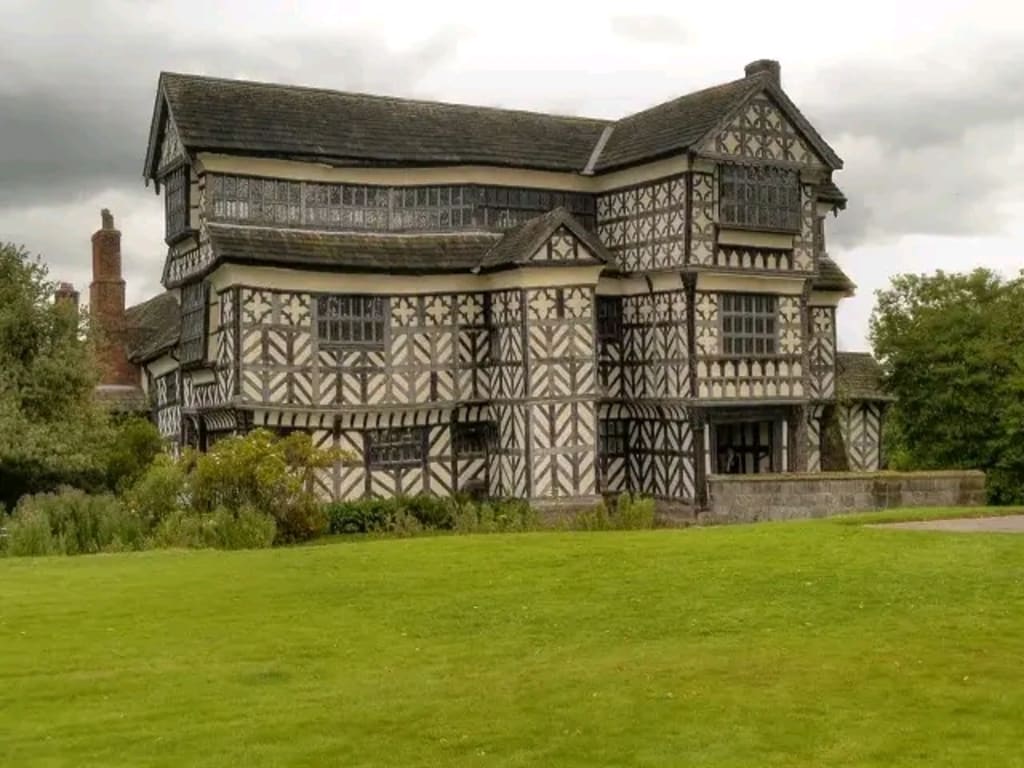
Nestled in the picturesque countryside of Cheshire, England, Little Moreton Hall stands as a remarkable testament to the architectural ingenuity and cultural heritage of the Tudor era. This moated, half-timbered manor house is a strikingly preserved piece of history, with its origins tracing back to around 1450 when it was first built for Sir Richard de Moreton, a local landowner. Over the centuries, the hall has become a symbol of Tudor craftsmanship and a captivating window into the lives of the people who once called it home.
---
An Architectural Marvel of the Tudor Period
Little Moreton Hall is a masterpiece of half-timbered construction, characterized by its distinctive black-and-white timber framing. The hall's crooked and uneven structure, caused by centuries of natural subsidence, gives it a unique charm and earned it the affectionate nickname, "the house that fought gravity and won."
The earliest parts of the house, including the great hall, were built in the mid-15th century, with subsequent additions in the 16th century. Each phase of construction reflects the changing architectural styles and growing ambitions of the Moreton family. The hall’s intricate timber framework is adorned with geometric patterns, herringbone designs, and carved details, showcasing the skill of the craftsmen who created it.
The moat that encircles the house adds to its allure, serving as both a defensive feature and a symbol of prestige. Today, the shimmering waters mirror the hall’s striking façade, creating a picture-perfect scene that feels frozen in time.
---
The Moreton Family Legacy
Little Moreton Hall was built for Sir Richard de Moreton, a wealthy landowner, and remained in the hands of the Moreton family for nearly 450 years. The family's prosperity during the Tudor period is evident in the opulence of the house, from its elaborately decorated interiors to its sheer size.
However, the family’s fortunes waned in the 17th century, as the agricultural economy declined and political upheavals, such as the English Civil War, disrupted the lives of many landed families. By the early 20th century, the Moreton family could no longer afford the upkeep of the hall, and it was eventually transferred to the National Trust in 1938, ensuring its preservation for future generations.
---
Exploring the Interior
Step inside Little Moreton Hall, and you are immediately transported to the Tudor period. The interiors are a fascinating blend of original features and carefully curated artifacts that recreate the atmosphere of a bustling manor house.
The Great Hall
The heart of the house, the great hall, is where the Moreton family would have hosted feasts, conducted business, and entertained guests. The space is dominated by a massive timber-framed roof and a large hearth, essential for heating during chilly English winters.
The Long Gallery
One of the most remarkable features of Little Moreton Hall is its long gallery, a stunning addition built around 1570. Spanning the entire width of the upper floor, the gallery is lined with windows that flood the space with natural light. Its uneven floorboards and sloping walls, a result of the hall's structural instability, only add to its charm. The gallery was likely used for entertaining, exercise during inclement weather, and displaying the family’s wealth through portraits and other treasures.
Decorative Details
Throughout the house, visitors can admire the intricate details that make Little Moreton Hall so special. From hand-carved wooden panels to vibrant stained-glass windows, every corner of the hall reflects the craftsmanship of its time.
---
The Moat and Gardens
The moat surrounding Little Moreton Hall is not just a defensive feature; it enhances the beauty of the manor, creating a serene and reflective setting. Beyond the moat, the gardens are a delightful retreat, featuring traditional Tudor plantings and an orchard. The herb garden, filled with aromatic plants and medicinal herbs, offers insight into the practical and decorative aspects of gardening during the Tudor period.
The surrounding landscape, with its lush greenery and tranquil atmosphere, provides a stark contrast to the hall's intricate architecture, making it a haven for photographers, historians, and nature enthusiasts alike.
---
Preservation and Public Engagement
Today, Little Moreton Hall is managed by the National Trust and is open to the public, offering visitors a chance to step back in time and experience life in Tudor England. Guided tours and interactive exhibits provide fascinating insights into the history of the hall, the Moreton family, and the broader social and economic context of the period.
Seasonal events, such as Tudor-themed festivals, workshops, and theatrical performances, bring the hall to life, making it a vibrant hub of cultural activity. These events offer visitors of all ages an opportunity to immerse themselves in history and learn about the customs, food, and traditions of the era.
---
Why Little Moreton Hall Matters
Little Moreton Hall is more than just a historical building; it is a symbol of resilience and heritage. Its unique architecture and rich history offer invaluable insights into the lives of the people who built and lived in it.
For historians, it provides a tangible link to the Tudor period, illustrating the architectural and social innovations of the time. For visitors, it is a chance to escape the modern world and experience the charm and elegance of a bygone era.
---
Conclusion
Little Moreton Hall stands as a proud survivor of centuries of change, offering a glimpse into the artistry and ambition of Tudor England. Its crooked timbers and serene moat whisper stories of prosperity, decline, and preservation, making it a must-visit destination for anyone fascinated by history and architecture.
Whether you are exploring its labyrinthine interiors, strolling through its gardens, or simply admiring its reflection in the moat, Little Moreton Hall is a place where the past comes vividly alive. For those seeking a deeper connection to England’s rich heritage, this iconic manor house is an unforgettable journey into history.
About the Creator
Keep reading
More stories from Deji Akomolafe and writers in History and other communities.
The Warrior's Comb: An Early Medieval Artifact of Elegance and Utility
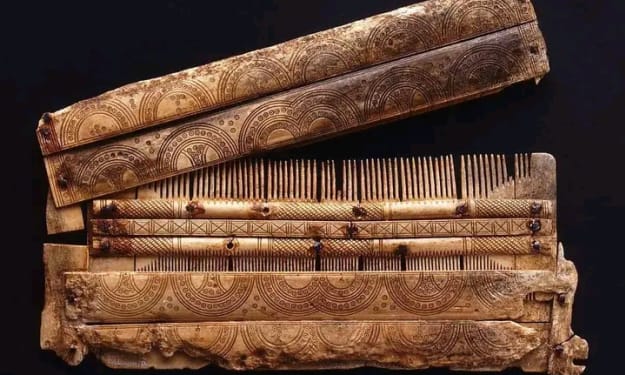
In the rolling hills of Fridingen, Germany, an extraordinary artifact was unearthed from a warrior’s grave: an elaborately decorated early medieval double-sided bone comb. This intricate object, dating back to the early 7th century CE, serves as a tangible connection to a bygone era where utility and artistry intertwined seamlessly. Now housed at the Landesmuseum Württemberg, the comb is not merely a relic of personal grooming; it is a testament to the craftsmanship, culture, and societal values of early medieval Europe.
By Deji Akomolafeabout a year ago in History
Power's Sake
When it comes to gaining power, bad people use it to gain more They never gain power to do something with it, they gain power to have it, relish in it, double it down on itself so it grows exponentially and never goes anywhere. Even if you see the people in power commit an atrocity, that is never the true goal. It is a deplorable action for sure but the action itself usually doesn't matter it's the outcome.
By Donny Foley5 days ago in History
Military Strength of Alexander the Great and the Chola Empire: A Historical Comparison
Though separated by more than a thousand years and operating in vastly different geographical and cultural contexts, both forces achieved extraordinary success through discipline, innovation, and strategic brilliance. This article explores the history, composition, size, organization, and military strength of Alexander’s Macedonian army and the Chola military, highlighting how each became a dominant power of its era.
By Say the truth 5 days ago in History
Miss Persephone's Manual to a Seemingly Ordinary Life
Miss Persephone was found at the dining table, her blue eyes swollen, her tears arriving and retreating like the tides of the ocean. Earlier that day, her family had visited her in the retirement home where she had lived for eight years. It was her eightieth birthday.
By Imola Tóth3 days ago in Fiction



Comments
There are no comments for this story
Be the first to respond and start the conversation.