
2500 Year Old Tombs With Artifacts Discovered in Israel Shed Light on Ancient Trading
2500 year old tombs

2500 Year Old Tombs With Artifacts Discovered in Israel Shed Light on Ancient Trading
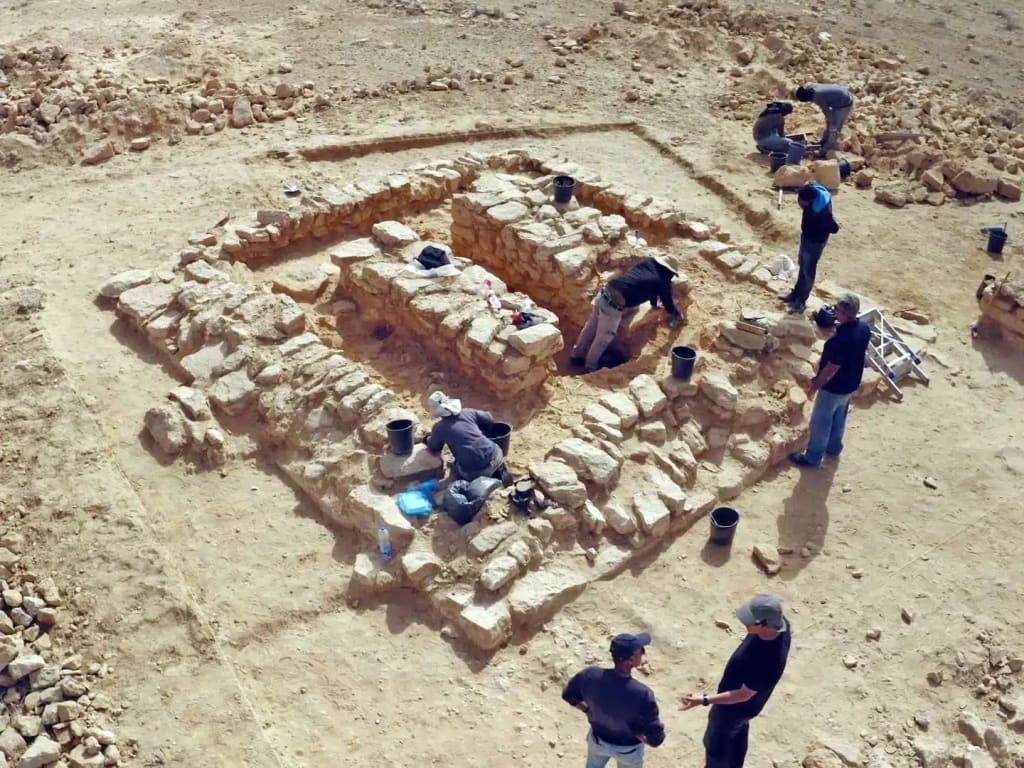
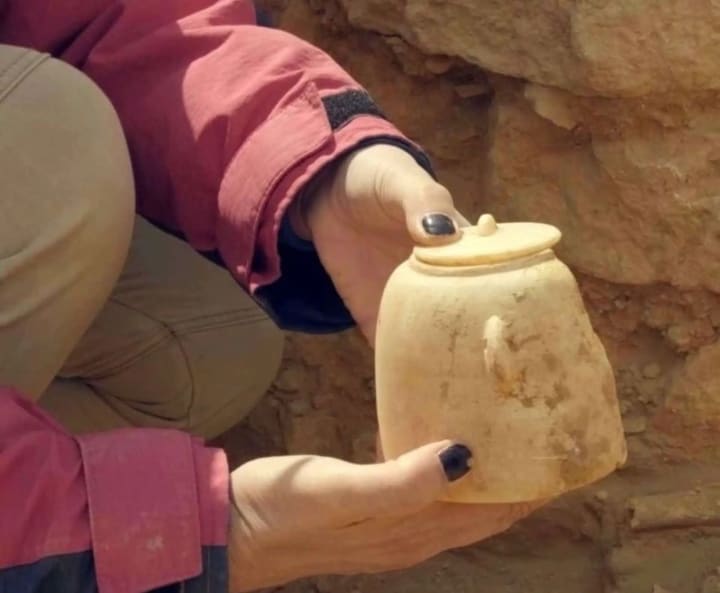
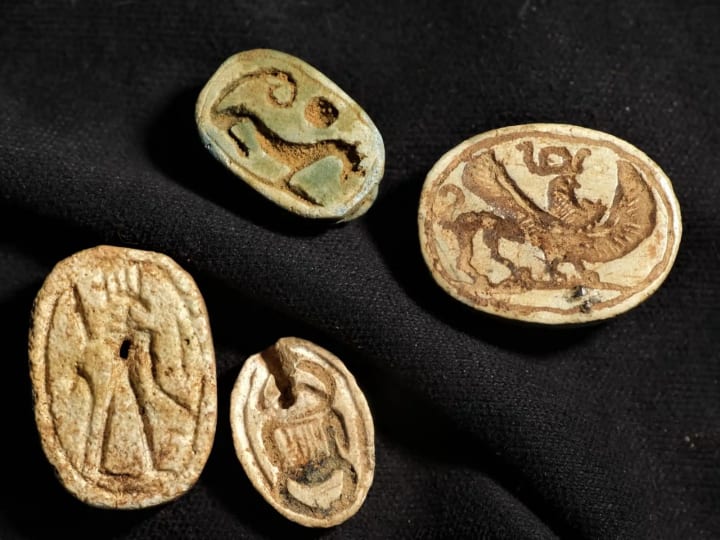
Archaeologists have made a groundbreaking discovery near Tlalim Junction in Israel unearthing 2,500 year old tombs and artifacts that shed new light on ancient trade networks and cultural exchanges. The findings led by the Israel Antiquities Authority IAA reveal the Negev Highlands' role as a significant hub for long distance commerce connecting the region to distant civilizations such as Yemen Phoenicia and Egypt. This discovery not only highlights the movement of goods but also underscores the exchange of ideas and traditions across the ancient world. The excavation uncovered a wealth of artifacts that provide insights into the region's historical significance. Among the most notable findings were flint arrowheads which researchers believe originated from Yemen and Oman. These arrowheads along with copper and silver jewelry suggest that the Negev Highlands were a key stopover for traders traveling along ancient routes. Additionally small alabaster vessels historically used to transport incense were discovered further emphasizing the area's role in the trade of luxury goods. One of the most striking artifacts was an amulet depicting Bes the Egyptian deity associated with protection and fertility. This amulet not only highlights the cultural influence of Egypt but also suggests that traders and travelers carried religious symbols for personal protection and spiritual significance.
The location of the tombs has puzzled researchers as they are situated in a remote area with no nearby settlements. This is unusual as most ancient burial sites are found near towns or fortresses. Archaeologists have proposed two possible explanations for this anomaly. The first is that the site served as a designated burial ground for traveling merchants who perished while on their journeys. The second possibility is that the tombs are part of a mass grave for traders who may have been victims of an attack. Either scenario underscores the dangers faced by ancient traders and the importance of the Negev Highlands as a crossroads for commerce. Dr. Jacob Vardi an expert on ancient tools at the IAA emphasized the uniqueness of the flint artifacts found at the site. He noted The unique concentration of flint artifacts uncovered at the site are unparalleled in Israel and the only source that we know of is Yemen and Oman. This suggests that the Negev Highlands were not merely a passageway for traders but a central hub where goods ideas and traditions were exchanged among civilizations. The presence of these artifacts also indicates that the region played a far more significant role in ancient trade networks than previously thought.
Historical records provide additional context for these findings suggesting that trade caravans passing through the Negev carried luxury goods such as frankincense and myrrh. These substances were highly prized in the ancient world for their use in religious rituals and medicine. However the same trade routes may have also been used for more nefarious purposes such as human trafficking. Some accounts suggest that enslaved women from Gaza Egypt Greece Moab and Edom were transported along these routes adding a darker dimension to the region's history. Another intriguing aspect of the discovery is the presence of red ochre on some of the flint artifacts. This natural pigment commonly used in ancient cultures symbolized blood and played a role in religious or decorative practices. Dr. Vardi speculated that the ochre covered arrowheads may have had ceremonial or symbolic value rather than being used solely as weapons. This raises questions about the cultural and spiritual practices of the people who inhabited or passed through the region offering a glimpse into their beliefs and traditions.
The findings from the Negev Highlands will be presented to the public for the first time in an upcoming lecture series titled Archaeological Mysteries. Hosted at the Jay and Jeanie Schottenstein National Campus for the Archaeology of Israel the series will feature experts from the IAA who will discuss the significance of the excavation and its implications for understanding ancient trade and cultural exchange. The lectures aim to provide deeper insight into the region's historical role and its connections to civilizations far beyond its borders. This discovery is part of a broader effort by researchers to piece together the vast and complex network of ancient trade. Each new finding adds to our understanding of how goods ideas and people moved across the ancient world. The artifacts and tombs uncovered in the Negev Highlands highlight the region's importance as a crossroads for commerce and cultural exchange offering a glimpse into the lives of the traders who once journeyed through these lands. As archaeologists continue to explore and analyze these findings they will undoubtedly uncover more secrets about the ancient world and the interconnectedness of its civilizations.
About the Creator
Adnan Rasheed
Author & Creator | Writing News , Science Fiction, and Worldwide Update| Digital Product Designer | Sharing life-changing strategies for success.
Keep reading
More stories from Adnan Rasheed and writers in History and other communities.
Why Was the Ancient Greek City of Hadrianopolis Suddenly Abandoned?
Why Was the Ancient Greek City of Hadrianopolis Suddenly Abandoned? The ancient Greek city of Hadrianopolis located in the Eskipazar district of Karabuk Turkey has long been a site of fascination for archaeologists and historians. Known for its stunning mosaics and historical significance the city was a prominent center in the western Black Sea region during antiquity. However its sudden and complete abandonment in the 7th century AD has remained a mystery for centuries. Recent excavations led by Ibrahim Sahin the culture and tourism director of Karabuk and Ersin Celikbas an archaeology professor at Karabuk University are shedding new light on this enigmatic event offering clues that may finally explain why the city was deserted.
By Adnan Rasheedabout a year ago in History
The “Bhagat Singh of Sindh” Remembered in India but Forgotten in His Own Homeland
History is filled with stories of brave individuals who sacrificed everything for the freedom of their people. Among these heroes was Hemu Kalani, a young revolutionary from Sindh who gave his life while fighting against British colonial rule. Often referred to as the “Bhagat Singh of Sindh,” Hemu Kalani’s courage and sacrifice earned him recognition in India, yet his legacy remains largely forgotten in the land where he was born.
By Irshad Abbasi 2 days ago in History


Comments
There are no comments for this story
Be the first to respond and start the conversation.