
Welcome To Derry Where Racism Is Scarier Than Horror by NWO Sparrow
How racism becomes a terror no supernatural force can compete with in Derry


The Monster In The Sewer Is Not The Worst Thing Here

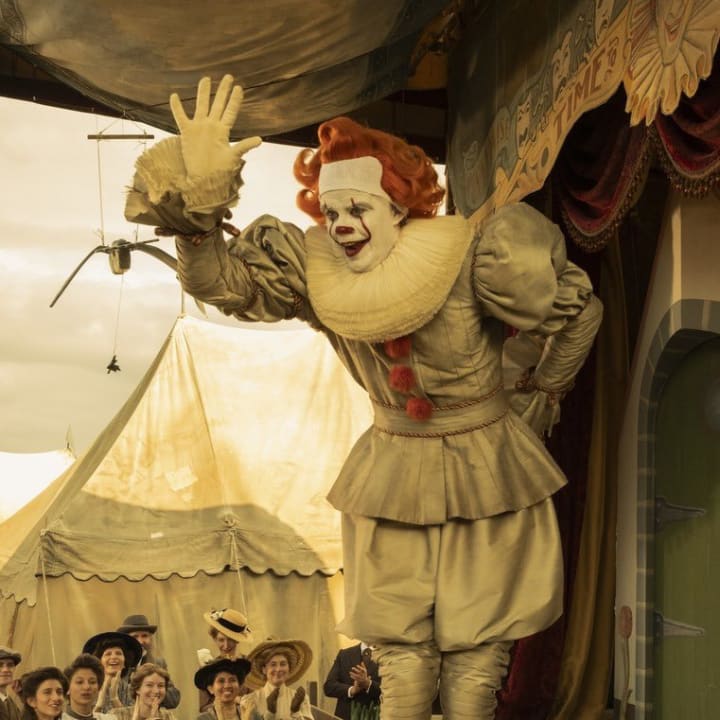
The new HBO episode of Welcome to Derry sparks a chilling truth that sits far beyond supernatural thrills. Pennywise may be the face of terror in this town, but the real fear that crawls beneath the surface is racism. The latest episode exposes this brutality in a way that hits harder than sharp teeth or glowing eyes. It reveals how hatred among people can turn a whole community into a nightmare, even without a creature lurking inside the sewers.
The scene where the white residents of Derry trap the black residences inside a shack and burn them alive aims straight at the heart. This is not just fantasy. That act reflects horrors that happened throughout real history. Watching it unfold in a television show brings shock, sadness and anger. Viewers come to understand that Derry is not haunted only by a deadly clown. It is poisoned by racist minds who carry more destructive power than any monster ever could.

The story of Hank Grogan is a heartbreaking example of this. He was accused of murdering three white children even though there was no proof he was at the theater the night of the incident. He was not placed near the scene at all. Even the police chief admits this. Still, Hank is a suspect because he is Black. His fear goes so deep that he cannot even admit he was with a white woman when the murders happened. He stays silent to protect himself from the possible violence that would follow if anyone learned of that relationship. His silence shows that the hatred in this town controls him more than any supernatural force.
That fear captures what life was like for many Black families in America during the 1960s. Equality was a dream, not a reality. Justice favored the dominant group. Rumors could destroy a life. A false accusation could lead to death. So when viewers see Hank trembling over the idea of speaking his truth, they see how racism shapes daily existence in Derry. Pennywise brings fright. The townspeople bring terror. This storytelling choice makes Welcome to Derry different from typical horror. It gives the audience something bigger to think about. If Pennywise feeds on fear, then what feeds the hatred of the townspeople? Why do humans commit acts worse than the monster itself?
The burning shack scene answers that question. That moment shows that racism in Derry is not hidden. It is open violence. Those residents did not need a supernatural push. They acted on their own wicked intentions. The show boldly places that truth in front of the viewers, forcing them to see how racism works. It does not hide behind shadows. It lies in plain sight, just like in the real world.

The most unsettling part is that Pennywise does nothing to stop the tragedy. The creature is known for tormenting and consuming. Pennywise jumps into public fear whenever chaos grows. Yet during that scene, the clown does not turn on the group of white attackers. He does not punish them. He does not strike at their evil. This leads to a chilling question. Is Pennywise racist? It feels possible. The monster enjoys feeding off the terror of the weak and oppressed. Pennywise has targeted Black lives and broken Black families while never punishing the racists. If Pennywise reflects the darkness of the town, then the clown becomes another piece in the system of hate. In that moment, the creature looks less like a demonic outsider and more like a servant of cruelty that benefits from Derry’s racism
This storytelling turns the show into a conversation starter. Viewers wonder how far history has come and how much remains the same. That is the beauty of horror when it is done right. It exposes reality in a way that cannot be ignored. It reminds us that the past was brutal for many Black families. They could be targeted without evidence. They could be blamed without reason. They could be erased without justice. Derry mirrors that history. This fictional town becomes a symbol for real communities across America where racism lived in the open. The show forces the audience to feel that pain. There are no metaphors. The fire is literal. The screams are real. The fear is human.
It also speaks to the burden placed on Black men during that time. Hank wants to defend himself. Hank wants to speak up. Yet he knows that telling the truth places him in danger. His silence protects him from punishment at the hands of hateful white citizens. That inner conflict reflects the real struggles of Black men in the 1960s who had to navigate a world where their existence alone could be seen as a threat.
The episode becomes a lesson in empathy and history. It encourages viewers to think about racism not as a chapter in a book but as a force that destroyed lives. Even though Welcome to Derry takes place in a fictional town, the experiences of Black people in the show echo experiences of real people in real communities. The horror genre becomes a mirror to the past.
The energy around this episode will likely shake anyone from NYC to the West Coast because it touches sensitive, raw truths. It hits emotional nerves. It opens conversations about injustice. It makes people think about how far society has come and how much more needs to change.
At the end of the day, the real monster in Derry is not just Pennywise. The true horror lives in the hearts of those who spread hate. Racism in this town does not need glowing yellow eyes. It burns buildings. It throws accusations. It destroys families. That is more frightening than any supernatural clown could ever be. The show gives viewers a vivid reminder that evil does not always come from the sewers. Sometimes it comes from neighbors, leaders and people who think they are righteous.
This episode of Welcome to Derry leaves us shaken because it tells a truth that stretches far beyond television. It reminds us that when racism rules a town, the monster is everyone who supports it. The supernatural horror becomes a mask for something deeper. And the scariest part is knowing that truth touches not only Derry but also the real world.
About the Creator
NWO SPARROW
NWO Sparrow — The New Voice of NYC
I cover hip-hop, WWE & entertainment with an edge. Urban journalist repping the culture. Writing for Medium.com & Vocal, bringing raw stories, real voices & NYC energy to every headline.
Keep reading
More stories from NWO SPARROW and writers in Geeks and other communities.
Marvel Zombie
The last entry into our 2025 superhero projects catalogue is Marvel Zombies. This was a show that was anticipated by absolutely no one and it disappeared from the public consciousness as quickly as it was released. There was nothing special about the project that made it a must see, or a must remember. In fact if anything it's a must forget.
By Alexandrea Callaghan15 days ago in Geeks
Debunking The 'Timeline/Continuity Errors' In 'Stranger Things 5'
WARNING! Possible SPOILERS for Stranger Things 5. After five smash hit seasons, the Netflix phenomenon Stranger Things has come to an end. Being set in the 80s, the show has had to keep an eye on it's various popculture references to ensure historical accuracy, and for the most part, has done a good job at this.
By Kristy Anderson3 days ago in Geeks


Comments (1)
Pennywise does not care about colour; he cares about fear. And he will accept whatever can create it in the lives of the town's residents. That makes him far worse than the violent racists. Sad that it had to be a Stephen King adaptation to make people remember these moments.