
Les Grand Meaulnes by Alain-Fournier
Why It's a Masterpiece (Week 82)

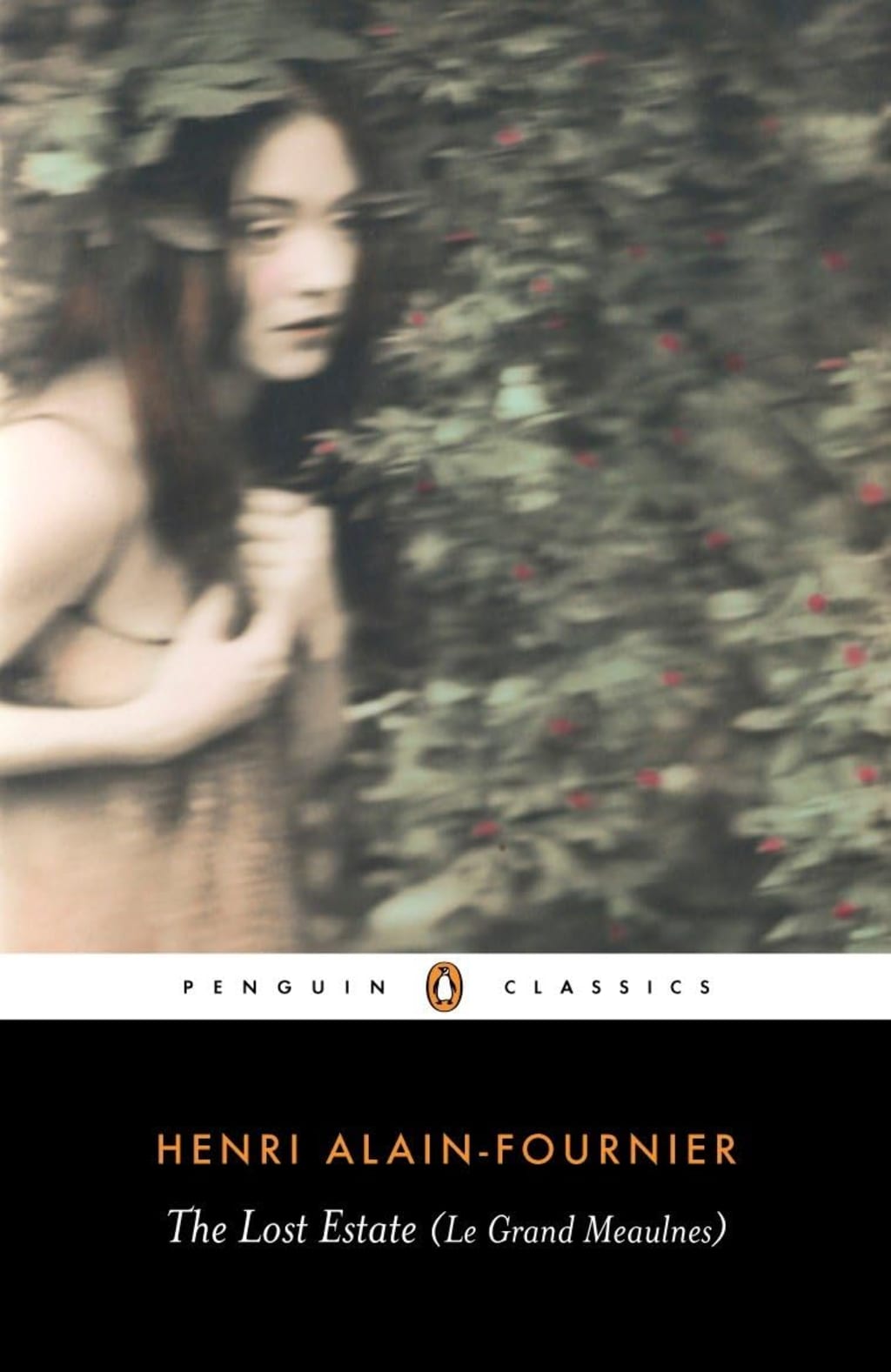
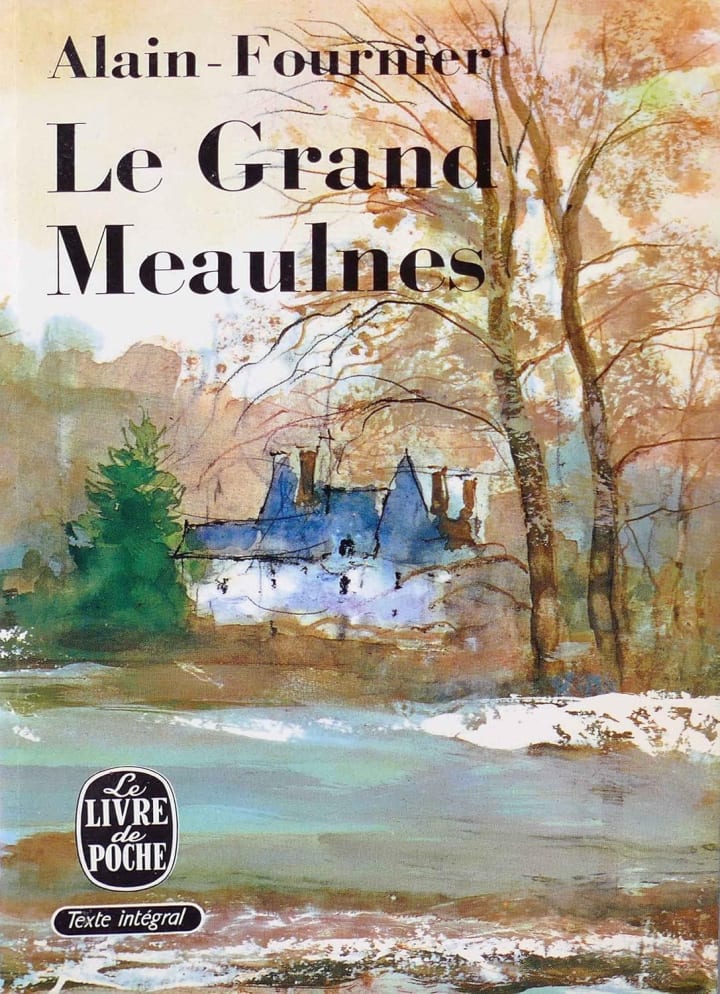
Le Grand Meaulnes, the only novel by French writer Alain-Fournier, was first published in 1913 and is known as one of the great classics of French literature. Set in a rural French village in the late 19th century, the book captures the bittersweet themes of youth, love, and the search for an unattainable ideal. It is cited that its greatest quality is its dreamlike atmosphere and I can't lie - I definitely agree.
Alain-Fournier, born Henri-Alban Fournier, drew inspiration from his own life and experiences. Much like the narrator, François Seurel, Fournier grew up in a small rural village, and the novel reflects his longing for a more enchanting world.
One of the central inspirations for Le Grand Meaulnes was Fournier’s brief but profound encounter with a woman named Yvonne de Quiévrecourt, whom he met in Paris and never forgot. Yvonne became the model for Yvonne de Galais, the enigmatic and idealised figure in the novel.
The novel became a success and received incredible acclaim. But tragically, Fournier’s life was cut short at the age of 27, when he was killed in action during World War I in 1914. His body remained unidentified until 1991.
Plot
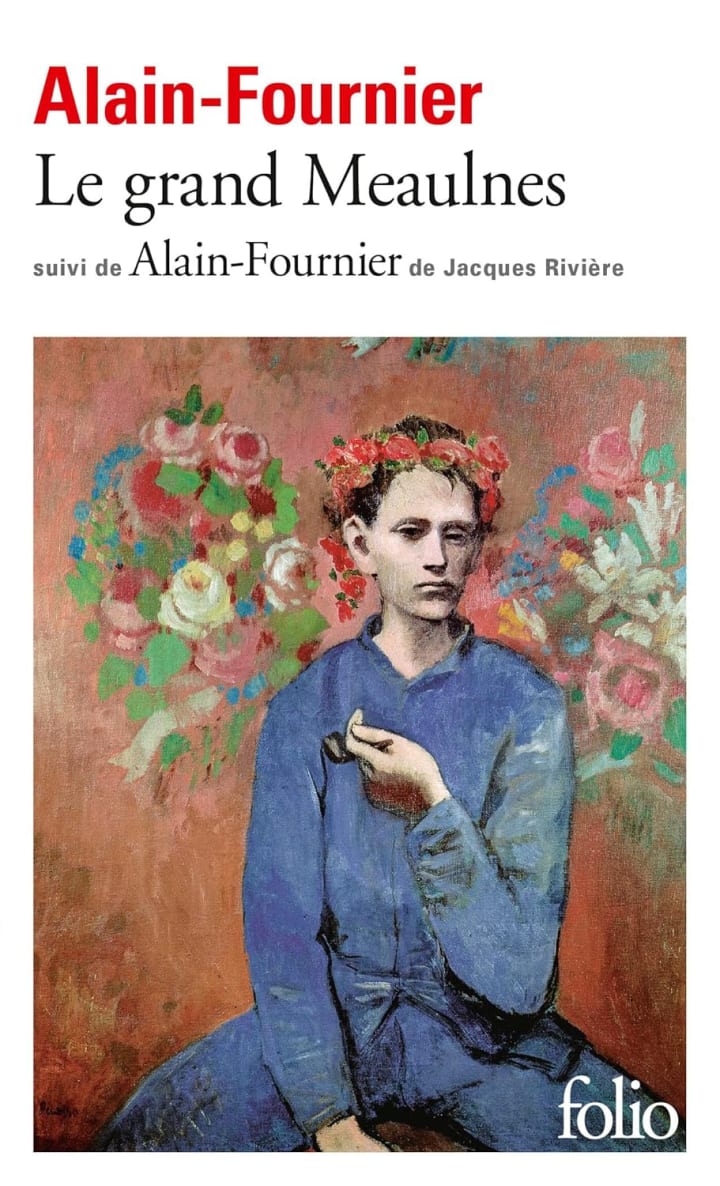
Le Grand Meaulnes is narrated by François Seurel, a quiet and observant boy living in a small French village where his father works as a schoolmaster. The story begins when a new student, Augustin Meaulnes, arrives at François’s school. Meaulnes is charismatic, adventurous, and mysterious, quickly earning the admiration of François and his classmates, who nickname him “Le Grand Meaulnes”.
Meaulnes’s arrival disrupts the monotony of the village. One day, he disappears for several days, only to return with a strange and fantastical tale. Meaulnes recounts how, after losing his way while seeking transportation, he stumbled upon a mysterious and magical estate where an extravagant party was taking place. It is here Meaulnes meets Yvonne de Galais, a beautiful and ethereal young woman, and falls deeply in love. However, his time at the estate is fleeting, and he is unable to find his way back after leaving.
Obsessed with Yvonne and determined to return to the estate, Meaulnes enlists François’s help to track her down. The search for Yvonne and the estate becomes the central focus of Meaulnes’s life, and the two friends navigate a series of events filled with longing, missed opportunities, and moments of disillusionment. Along the way, they encounter Frantz de Galais, Yvonne’s troubled brother, whose failed love affair adds a layer of tragedy to the story.
Eventually, Meaulnes and Yvonne are reunited, and they marry. However, their happiness is short-lived, as Meaulnes is unable to reconcile his idealised vision of Yvonne with reality. Overcome with a sense of duty and guilt, Meaulnes abandons Yvonne shortly after their wedding to fulfill a promise he made to Frantz. Yvonne, left heartbroken, dies shortly thereafter, leaving Meaulnes devastated.
The novel ends with François reflecting on the events and the sense of loss that defines their lives. Meaulnes, still searching for redemption and meaning, becomes a wandering figure, while François remains tethered to the memories of their shared youth and the fleeting enchantment of the past. It is a beautiful and yet, horrific and tragic closing to one of the great French novels.
Into the Book
Lost Ideals:
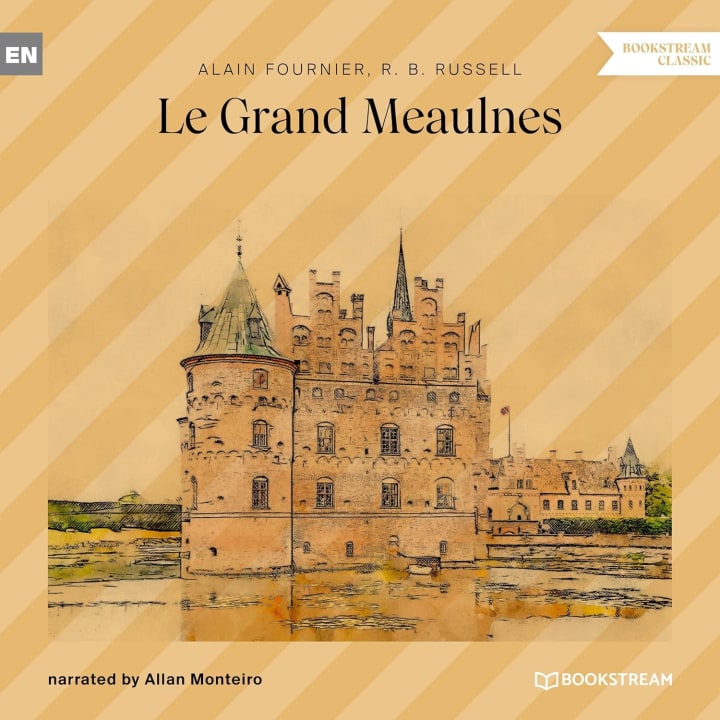
Le Grand Meaulnes is a story about the search for lost ideals and the impossibility of recapturing the past. Meaulnes’s obsession with the magical estate and his romanticised vision of Yvonne represent a yearning for a perfect world that exists only in memory and imagination. The estate, with its dreamlike atmosphere and mysterious allure, becomes a symbol of youthful innocence and unattainable beauty.
Meaulnes’s quest to return to the estate and reclaim his love for Yvonne highlights the human tendency to idealize the past and chase after unattainable dreams. This longing, while poignant, is ultimately futile, as the real world can never live up to the perfection of memory. Alain-Fournier uses this theme to explore the universal experience of growing up and the inevitable disillusionment that comes with it.
While time moves on, while the day will soon end and I already wish it gone, there are men who have entrusted all their hopes to it, all their love and their last efforts. There are dying men or others who are waiting for a debt to come due, who wish that tomorrow would never come
- Les Grand Meaulnes by Alain-Fournier
Love:
Love, both romantic and platonic, is a central theme in Le Grand Meaulnes. Meaulnes’s love for Yvonne is presented as pure and idealized, yet it is also deeply flawed. His vision of Yvonne is rooted in the fleeting moments they shared at the estate, and he struggles to reconcile this ideal with the reality of their relationship. This conflict reflects the broader theme of disillusionment, as Meaulnes realizes that his dream of perfect love cannot withstand the complexities of real life.
Similarly, François’s unwavering loyalty to Meaulnes highlights the power and limits of friendship. While François admires and supports Meaulnes, he also grapples with feelings of betrayal and disappointment as he watches his friend pursue an unattainable dream at the expense of others.
There are others for whom the day will break like a pang of remorse; and others who are tired, for whom the night will never be long enough to give them the rest that they need. And I - who have lost my day - what right do I have to wish that tomorrow comes?
- Les Grand Meaulnes by Alain-Fournier
Memory and Identity:
The novel’s narrative structure, with François recounting events from the perspective of adulthood, emphasizes the role of memory in shaping identity and understanding the past. Through François’s reflective narration, Alain-Fournier captures the bittersweet nature of memory: its ability to preserve moments of beauty and joy, but also its tendency to distort and idealise.
Time, like the magical estate, becomes a recurring motif in the novel. The fleeting nature of the fête and Meaulnes’s inability to return to the estate serve as reminders of the impermanence of happiness and the inevitability of change. Alain-Fournier’s portrayal of time and memory underscores the tension between the desire to hold onto the past and the necessity of moving forward.
“I've kept a single image of that time, and it is already fading: the image of a lovely face grown thin and of two eyes whose lids slowly droop as they glance at me, as if her gaze was unable to dwell on anything but an inner world.”
- Les Grand Meaulnes by Alain-Fournier
Why It's a Masterpiece
Le Grand Meaulnes has lyrical prose and a rich atmosphere - though it also has a tragic story and evokes some strong themes about universal realities (especially considering how we must reconcile our romanticised visions of the world with what it is actually like in this hellscape). The melancholy of youth is a brilliant way of depicting this, especially through teenaged characters. We all must grow out of our idealistic teen years eventually - and it is perhaps one of the most difficult things to do.
One of the novel’s greatest strengths is its dreamlike quality, shading in those lines between reality and imagination. Through vivid descriptions and romanticised imagery, Alain-Fournier creates a world that feels both timeless and ephemeral. The magical estate, in particular, serves as a powerful symbol of unattainable ideals, capturing the essence of nostalgia and longing.
Conclusion
I adore this book for its turn of events. You can actually feel the protagonist discover the reality of the world as slowly, things turn black and white. The colour in the message of the novel is that perhaps we need to lose the romanticism of our youth in order to grow, even if it means that we are devastated by the tragedies it leaves behind. This book makes us realise that in a far more physical way with a character actually dying by the end. A character who represents that youthful chase entirely.
Next Week: Winnie the Pooh by AA Milne
About the Creator
Annie Kapur
I am:
🙋🏽♀️ Annie
📚 Avid Reader
📝 Reviewer and Commentator
🎓 Post-Grad Millennial (M.A)
***
I have:
📖 280K+ reads on Vocal
🫶🏼 Love for reading & research
🦋/X @AnnieWithBooks
***
🏡 UK
Keep reading
More stories from Annie Kapur and writers in Geeks and other communities.
Book Review: "Saving Agnes" by Rachel Cusk
I've read some of Rachel Cusk's autobiographical novels in my time. One of the more recent and more positive ones was called Transit - you can read the 5/5 review here if you wish. I've also read books like Parade, Outline and some others. It can be a hit and miss for me if I'm in the wrong mood and so, I have to be in a very certain way to read her books. Sometimes, I will read them at the wrong moment and it will kind of let it down a bit for me. It's only proof that time of reading also matters. Let's take a look at Saving Agnes, another Rachel Cusk novel...
By Annie Kapur4 months ago in Geeks
Silver Screen Magic with Mae West
American actress and singer Mae West became a popular film actress during the Great Depression. She started entertaining in vaudeville, then performed on Broadway, and finally went to Hollywood. She signed up with Paramount Pictures and made her debut in the 1932 film “Night After Night.” She also starred in musicals, comedies, and crime dramas. The American Film Institute named her one of the best classic Hollywood actresses.
By Rasma Raisters5 days ago in Geeks



Comments (2)
My copy stands tall(er) on my shelf now. I will take a look after 'Brideshead' (and I will be reviewing that one soon).
I admire that you read a lot of different Topic books. Certain books hold my attention