
'Law & Order' Jargon Often Heard On the Shows
Some of the phrases heard on Law & Order-type shows are appropriate in real life.

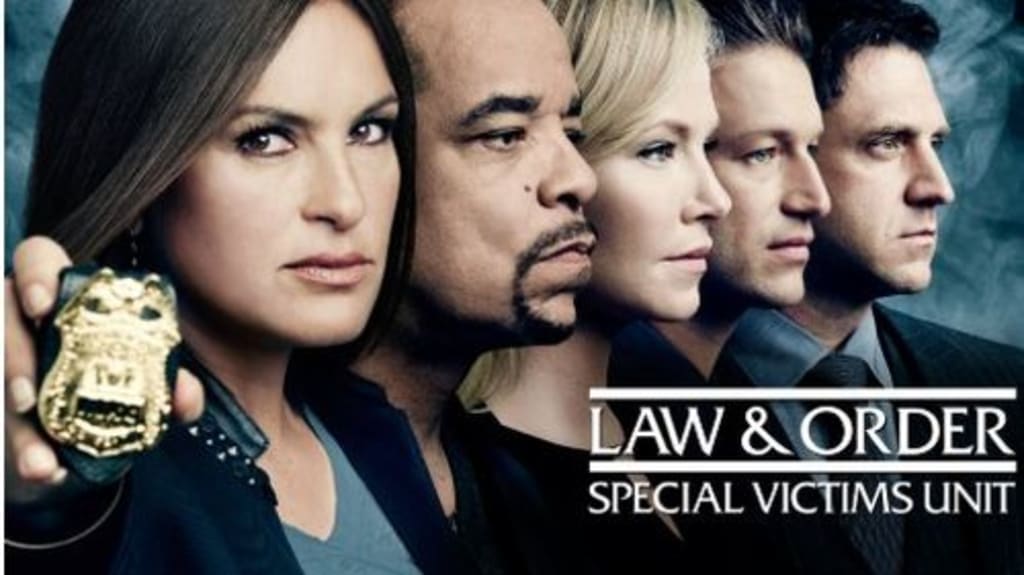
If you’ve watched enough Law & Order-style shows, you’ve probably heard phrases like “BOLO” or “Send a bus!” shouted in the heat of a scene. These aren’t just dramatic lines. They’re real emergency response language.
Phrases are staples in Law & Order-style shows, and they’re rooted in real police and emergency responder lingo. These phrases add realism and urgency to crime dramas, and they reflect the real-world rhythm of rescue and response.
Television crime dramas are packed with fast-paced dialogue and clipped commands, and I have learned a lot by watching the "Law & Order" franchise set in New York.
1. "BOLO"
BOLO means "Be On the Lookout." A BOLO is a broadcast alert used by law enforcement to notify officers about a person, vehicle, or item of interest. It is used when a suspect is on the run or a child is missing. A BOLO includes key details like physical description, vehicle type, and last known location. It’s a fast, efficient way to mobilize a search across multiple units.
A BOLO includes identifying details like:
- Physical description (height, clothing, tattoos, etc.)
- Vehicle make, model, color, and license plate
- Last known location or direction of travel
It’s essentially a call to all units: “Keep your eyes open for this.” You’ll hear it in scenes on crime shows. It’s also used in real life, often through dispatch or coordinated systems like Amber Alerts.
2. “Send a Bus”
When someone says “Send a bus” or just “Bus,” they’re using slang for “Send an ambulance.” It’s part of the fast-paced, shorthand communication used in high-stress situations, especially by New York officers and paramedics, to keep emergency response moving efficiently. The request usually comes when someone is injured, unconscious, or in need of immediate medical transport. The statement is a reference to the older ambulance models that resembled small buses.
You’ll hear it when someone’s been shot, injured, or collapsed:
“We’ve got one down—send a bus!”
3. “Mirandize the Suspect”
This refers to reading the required Miranda rights before questioning a suspect. It’s a legal requirement before interrogation, and it marks the moment when the investigation shifts from suspicion to formal procedure.
“You have the right to remain silent…”
4. “We’ve Got a 10-13” or “10-4”
These are radio codes used for quick communication. That's shorthand language that keeps responders efficient and alert.
- A 10-13 often means “officer needs assistance.”
- A 10-4 means “message received” or “message understood.”
5. “Perp Walk”
A "perp walk" is short for “perpetrator walk.” It is when a suspect is led in handcuffs past reporters and cameras. It serves as a visual to let the public know a suspect is in custody. Many times, the suspect is ashamed. Therefore, he tries to hide the handcuffs by putting a coat over them.
6. “Cut a Deal” or “Take a Plea”
These phrases refer to plea bargaining, where a defendant agrees to plead guilty to a lesser charge. It's a powerful moment of negotiation and consequence.
7. “We’ve Got DNA”
DNA stands for deoxyribonucleic acid, and everyone has it, unlike anyone else. This line often signals a turning point in a criminal case in the movies. It is also a breakthrough in real-life forensic evidence.
So the next time you watch a rescue on TV, or hear a phrase like those listed above, you will know what they mean.
READ about three actions often seen in Law & Order-style shows.
About the Creator
Margaret Minnicks
Margaret Minnicks has a bachelor's degree in English. She is an ordained minister with two master's degrees in theology and Christian education. She has been an online writer for over 15 years. Thanks for reading and sending TIPS her way.
Keep reading
More stories from Margaret Minnicks and writers in Geeks and other communities.
Silver Screen Magic with Mae West
American actress and singer Mae West became a popular film actress during the Great Depression. She started entertaining in vaudeville, then performed on Broadway, and finally went to Hollywood. She signed up with Paramount Pictures and made her debut in the 1932 film “Night After Night.” She also starred in musicals, comedies, and crime dramas. The American Film Institute named her one of the best classic Hollywood actresses.
By Rasma Raisters7 days ago in Geeks
So You Decided To Become a Nurse Practitioner:
So you decided to become an "Advanced Practice" nurse. Congratulations!... is what I would say if this was a good idea. Grad school? In this economy? What were you thinking? Likely it was something along the lines of either 1) “I've seen these other chucklefucks do it— Why can't I?” or even 2) “I've got a nice career, I should shake it up. I miss feeling like I have no clue what I'm doing.”
By Sandor Szabo3 days ago in Fiction


Comments
There are no comments for this story
Be the first to respond and start the conversation.