
'Law & Order' Procedures and Meanings
Viewers of Law & Order-type shows might notice three important subtle acts.

I watch almost all the Law & Order-type shows on TV. I have learned a great deal about police procedures just by watching and being entertained. The crime scenes, courtroom drama, and emotional rescues always pull me in.
I will list and explain three things that capture my attention in many of the episodes. Perhaps you have seen those three things and had questions about them as well.
1. Rescued Victims Being Wrapped
I have seen that as soon as victims are rescued from a crime, accident, or natural disaster, they are immediately wrapped in a blanket, plastic sheet, or something that looks like aluminum foil. That's a vital medical response rooted in preventing hypothermia and protecting the body from further shock. That is not just for dramatic effect; it has a deeper meaning.
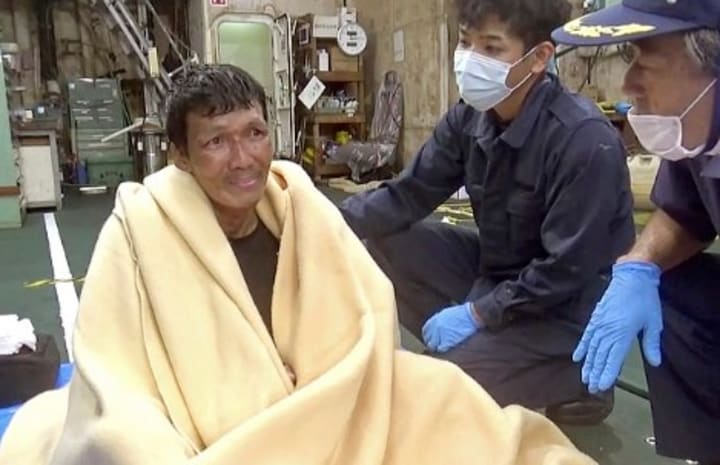
Being wrapped also provides a sense of safety and care. It’s a visual cue that the person is being protected and attended to.
Whether it’s a wool blanket or a shiny foil-like wrap, the goal is to trap the victim’s body heat. Trauma, exposure, or blood loss can cause the body temperature to drop dangerously low. Wrapping helps stabilize them.
It really does look like someone grabbed a roll of Reynolds Wrap from the kitchen, but that shiny Mylar is a marvel of emergency science. It’s lightweight, reflective, and surprisingly effective at keeping people warm in critical moments. The fact that it’s become a staple in rescue scenes—from real-life disasters to Law & Order episodes—shows how something so simple can carry so much meaning.
That shiny “aluminum foil” is actually a metalized Mylar sheet, often called a space blanket. It reflects up to 90% of body heat back toward the person. Originally developed by NASA, it’s now a staple in emergency kits.
Emergency responders carry these wraps because they’re compact, disposable, and effective. They fold down to the size of a cigarette pack but can save lives in minutes.
But beyond the medical function, there’s something deeply human about the gesture. Wrapping someone in warmth—especially in their most vulnerable moment—is an act of care. It’s a visual signal that says, "You are safe now. You are not alone."
So the next time you watch a rescue on TV, or witness one in real life, notice the wrap. It’s more than warmth—it’s a symbol of hope in a world that often feels cold.
2. The Slap on the Ambulance
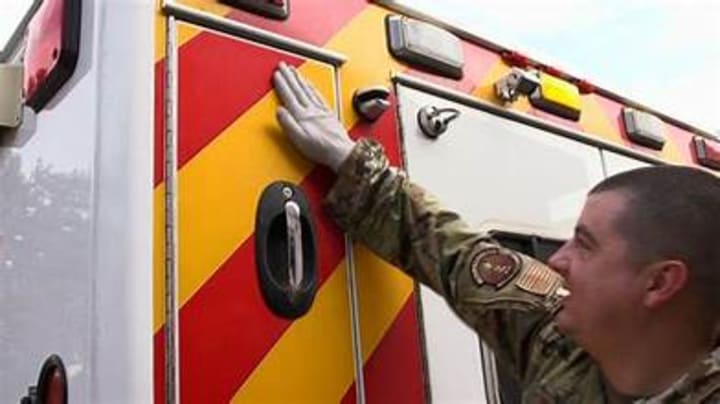
Perhaps you have noticed that after a rescued victim has been wrapped and put into an ambulance, the EMT or paramedic will give a firm tap on the back door.
That slap on the back of the ambulance after the doors close isn’t just dramatic flair. It’s actually a practical communication signal used by emergency responders.
Once the patient is loaded and the doors are safely shut, the firm tap lets the driver know it’s time to go. The slap is a clear, tactile cue that says: “We’re secure. You can go.”
That slap on the ambulance gives closure to that particular scene. After the vehicle drives away, the episode moves on to another related scene. In other words, the rescue has transitioned into its aftermath.
3. Hand on the Shoulder
When detectives gently guide a victim or witness into a waiting police car or ambulance, they often put their hand on the shoulder or back. That gesture may seem small, but it is a gentle and guiding touch that has a rich meaning. It is a symbol of care and control.
That hand on the shoulder isn’t just for physical guidance. The nonverbal gesture offers comfort without words, especially in moments of shock or trauma. It's a silent signal that says, “You’re safe now. We’ve got you.”
That physical touch (when appropriate) helps build rapport. It’s a way for responders to show empathy and calm without overwhelming the person with questions or commands.
From a procedural standpoint, it also helps gently direct movement to maintain order, especially when someone is disoriented, injured, or emotionally overwhelmed.
On shows like Law & Order, that gesture often marks a turning point. Like the ambulance leaving, the police car moves away with the victim inside. It indicates the end of the rescue and the transition into the investigation that is now officially underway.
READ Law & Order Jargon to help you under the shows better.
Comments, Please!
Please comment if you watch any of the Law & Order-type shows. Indicate if you have noticed any of the three procedures mentioned in this article.
About the Creator
Margaret Minnicks
Margaret Minnicks has a bachelor's degree in English. She is an ordained minister with two master's degrees in theology and Christian education. She has been an online writer for over 15 years. Thanks for reading and sending TIPS her way.
Keep reading
More stories from Margaret Minnicks and writers in Geeks and other communities.
Silver Screen Magic with Mae West
American actress and singer Mae West became a popular film actress during the Great Depression. She started entertaining in vaudeville, then performed on Broadway, and finally went to Hollywood. She signed up with Paramount Pictures and made her debut in the 1932 film “Night After Night.” She also starred in musicals, comedies, and crime dramas. The American Film Institute named her one of the best classic Hollywood actresses.
By Rasma Raisters7 days ago in Geeks


Comments
There are no comments for this story
Be the first to respond and start the conversation.