
When I Spot These at the Seafood Market, I Never Hesitate – Buying Pounds at a Time for a Nutritious & Delicious Pan-Fry!
When I Spot These at the Seafood Market, I Never Hesitate – Buying Pounds at a Time for a Nutritious & Delicious Pan-Fry!
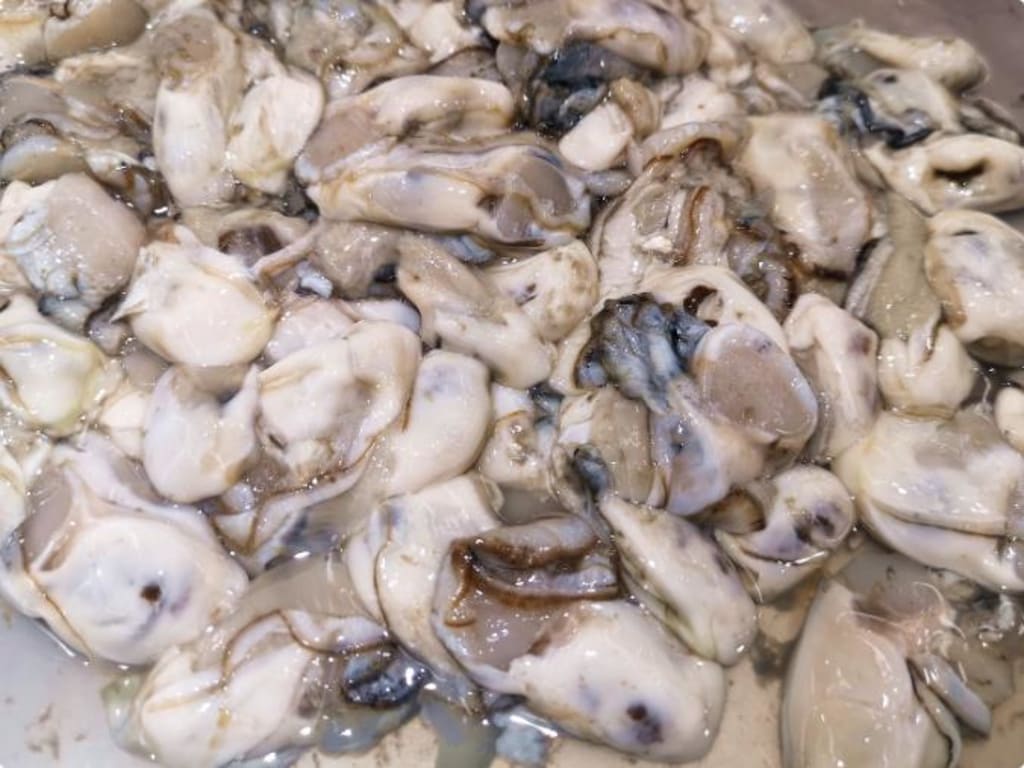
If there’s one culinary treasure that unites Chinese households, it’s undoubtedly seafood! From the Bohai Bay in the north to the South China Sea, every coastal city’s seafood market buzzes with energy, akin to a festive celebration. For me, one "plump little guy" always steals the show at these markets—oysters! Crack one open, and you’re greeted with silky, briny flesh glistening in its own juices, a sight that instantly makes your mouth water. But don’t mistake oysters as mere raw delicacies—today, I’ll share a recipe so irresistible, your family will be lining up for seconds!
1. "Ocean’s Milk" Lives Up to Its Name
Known as hái lì zi in Fujian, ho si in Guangdong, or lì huáng in northern regions, oysters wear many names but share one stellar reputation: a nutritional powerhouse. Globally celebrated as nature’s richest zinc source, oysters pack a staggering 71.2mg of zinc per 100g—over 30 times more than beef! Parents, take note: zinc boosts brain development in growing kids. Young adults, listen up: it’s vital for men’s health. And for beauty enthusiasts, oysters’ amino acids and taurine deliver glowing skin. Talk about a multitasking superfood!
2. The Authentic Oyster Omelette (Hai Li Jian)
[Ingredients]
• 500g fresh oysters (avoid waterlogged ones; choose plump, seawater-clinging shells)
• 150g sweet potato starch (must use red-fleshed variety for that signature chew!)
• 4 eggs
• 3 stalks garlic chives (finely chopped)
• 1 tsp ginger paste
• ½ tsp white pepper
• 1 tbsp light soy sauce
• Salt to taste
• Oil for frying
[Step-by-Step Guide]
1. Cleaning Mastery:

Place oysters in a colander. Sprinkle 2 tbsp starch and gently massage to remove slime. Rinse under cold water—a fisherman’s trick to eliminate fishiness while preserving tenderness!
2. Batter Prep:
Mix sweet potato starch with ½ cup water until it reaches a yogurt-like consistency. Crack in 1 egg, then add chives, ginger, pepper, soy sauce, and salt. Whisk well and let rest 10 minutes.
3. The Crispy Flip:
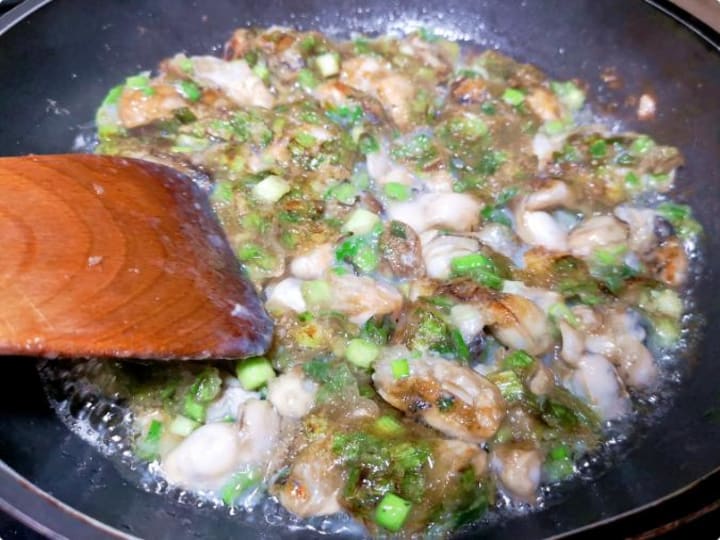
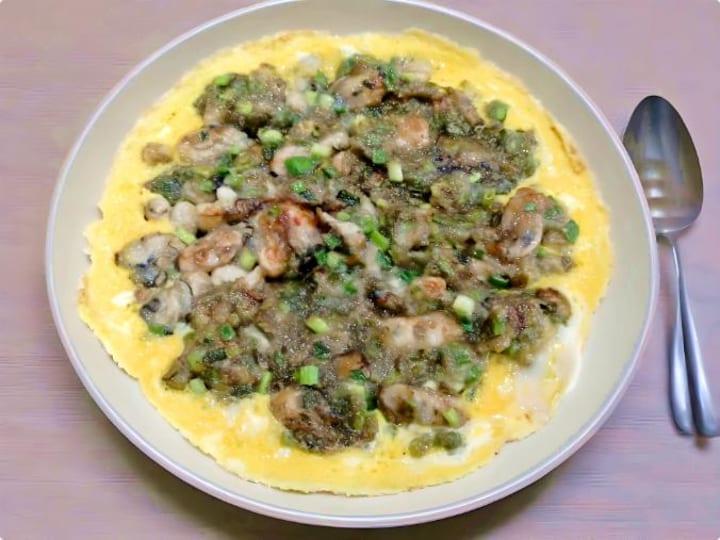
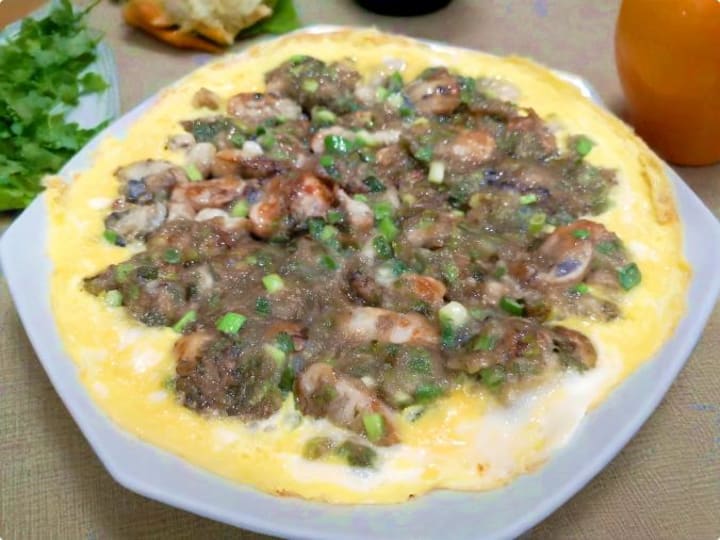
Heat oil in a pan over medium. Ladle batter into a circle, then immediately arrange oysters on top. Once the edges crisp (listen for that sizzle!), flip gently. Pour 2 beaten eggs around the edges, creating a golden halo. The aroma alone will lure neighbors!
4. Perfect Doneness:
Reduce heat to low, cover, and steam for 2 minutes. Uncover, fry for another minute, then scatter with葱花 (chopped scallions). For extra crunch, use more oil; for a lighter version, pan-fry slowly. Pro tip: Pierce the center—if the batter turns translucent, it’s done!
3. Why This Dish Steals the Show
Last Wednesday, my daughter’s friends came over. When I served this oyster omelette, they polished off every last grain of rice! The outer layer—crispy from the sweet potato starch—gives way to juicy oysters bursting with briny sweetness, all wrapped in eggy, garlicky goodness. Even a royal feast couldn’t compete!
Bonus perks:
• Time-saver: 20 minutes from prep to plate, perfect for post-work dinners.
• Budget-friendly: At ¥15 per pound for fresh oysters and ¥2 for starch, it feeds a family of four for less than takeout—no sketchy oil worries!
Serving Tip: Drizzle with Xiamen-style sweet chili sauce or Chaoshan fish sauce for an addictive kick. At a recent reunion, my friends nearly licked the plate clean and demanded I open a restaurant! But why keep secrets? Try this recipe, and it’ll become your family’s signature dish.
Final Thought: Next time you’re at the seafood market, don’t just eye the fish and shrimp—those chubby oysters are calling your name! Stock up, fry up, and watch your kitchen turn into the neighborhood’s hottest bistro. 🦪✨
**
Cultural & Culinary Notes for Clarity:
1. Regional Names: Clarified terms like hái lì zi with translations to avoid confusion.
2. Ingredient Subtext: Emphasized "red-fleshed sweet potato starch" to highlight authenticity.
3. Sensory Appeal: Enhanced vivid descriptions (e.g., "golden halo," "bursting with briny sweetness") for relatability.
4. Practical Tips: Added universal cooking cues (e.g., testing doneness with a fork) for broader appeal.
5. Localized Flavors: Specified regional sauces (Xiamen/Chaoshan) while keeping names recognizable.
About the Creator
My Tous les Jours Trip
As someone who lives in a rural area, I don't get the chance to visit fancy restaurants or bakeries that often. So, when a friend told me about a French-Asian bakery that's less than an hour away, I knew I had to check it out and grab some pictures for social media. Tous les Jours ended up providing an immersive experience that went above and beyond my expectations--although I did leave with a few reservations.
By Kaitlin Shanks24 days ago in Feast
No-Recipe-Needed Dessert Tutorials
1. Basque Burnt Cheesecake Cream cheese, a few high-quality farm-fresh eggs, heavy cream, and sugar—just mix them together. Sift the mixture into a mold to remove air bubbles. Bake at 180°C (356°F), both top and bottom heat, for 40-50 minutes. Done! It must be completely chilled before slicing. One bite, and you'll be floating on cloud nine... This is so good! It has an incredibly rich, cheesy aroma and melts instantly in your mouth. The key is that this method is just too simple and unbeatable.
By yue . shui4 days ago in Feast
Silver Screen Magic with Mae West
American actress and singer Mae West became a popular film actress during the Great Depression. She started entertaining in vaudeville, then performed on Broadway, and finally went to Hollywood. She signed up with Paramount Pictures and made her debut in the 1932 film “Night After Night.” She also starred in musicals, comedies, and crime dramas. The American Film Institute named her one of the best classic Hollywood actresses.
By Rasma Raisters6 days ago in Geeks


Comments
There are no comments for this story
Be the first to respond and start the conversation.